
Hormone replacement therapy is a medical treatment designed to relieve symptoms that arise when the female body decreases its production of estrogen and progesterone during the climacteric transition. This intervention seeks to restore the hormone levels necessary to maintain quality of life, utilizing various administration methods ranging from pills to gels or skin patches. By understanding what hormone replacement therapy is, women can make informed decisions about their reproductive and overall health, always under the guidance of a specialist in gynecology and climacteric care.
Addressing this stage is essential because menopause is not merely the end of the reproductive years, but a profound physiological change that can increase the risk of developing chronic diseases. Symptoms—ranging from hot flashes to loss of bone density—should not be normalized as inevitable suffering. The proper use of menopausal hormone therapy allows patients not only to mitigate immediate discomfort but also to protect vital organs such as the heart and brain, ensuring this new life stage remains active, healthy, and free from the physical or emotional limitations caused by hormonal deficiency.
Today, menopausal hormone therapy has evolved toward complete personalization, moving away from the standardized doses of the past to focus on the "window of opportunity." The future of this treatment points toward increasingly bioidentical formulations and extended-release systems that minimize side effects. Current medical science recognizes that, when administered to the right candidates at the precise time, the benefits of this menopause treatment far outweigh the risks, transforming the perception of postmenopause from a stage of decline into one of comprehensive well-being.
Benefits of Hormone Replacement Therapy for Menopause: Beyond Hot Flashes
The most immediate and well-known benefit of menopausal hormone replacement therapy is the control of hot flashes and night sweats. These symptoms, caused by instability in the brain’s thermoregulatory center, can severely disrupt rest. By stabilizing estrogen levels, the body regains its ability to regulate temperature, resulting in restful sleep and a reduction in chronic fatigue.
Bone Health and Osteoporosis Prevention
One of the most critical effects of hormone loss is accelerated bone demineralization. Hormone therapy acts as a protective shield for the bones, maintaining their density and significantly reducing the risk of fractures. For many women, this treatment is the most effective tool to prevent osteoporosis—a condition that often progresses silently until a severe injury occurs.
Cardiovascular and Metabolic Protection
Various studies, supported by specialists such as Dr. Eréndira Ortiz Ruiz, indicate that starting therapy at the right time helps lower the risk of developing high cholesterol, hypertension, and type 2 diabetes. The presence of estrogen promotes arterial elasticity and healthy blood lipid management, providing a preventive advantage against heart attacks and other cardiac conditions.
Emotional Well-Being and Cognitive Function
The transition to menopause is often accompanied by mood swings, anxiety, or brain fog. Hormone replacement therapy helps stabilize neurotransmitters, improving mood and concentration. Additionally, there is evidence that it may play a protective role against neurodegenerative conditions like Alzheimer’s disease by preserving the health of estrogen-dependent neural connections.
Types of Hormone Replacement Therapy: Which One Is Right for You?
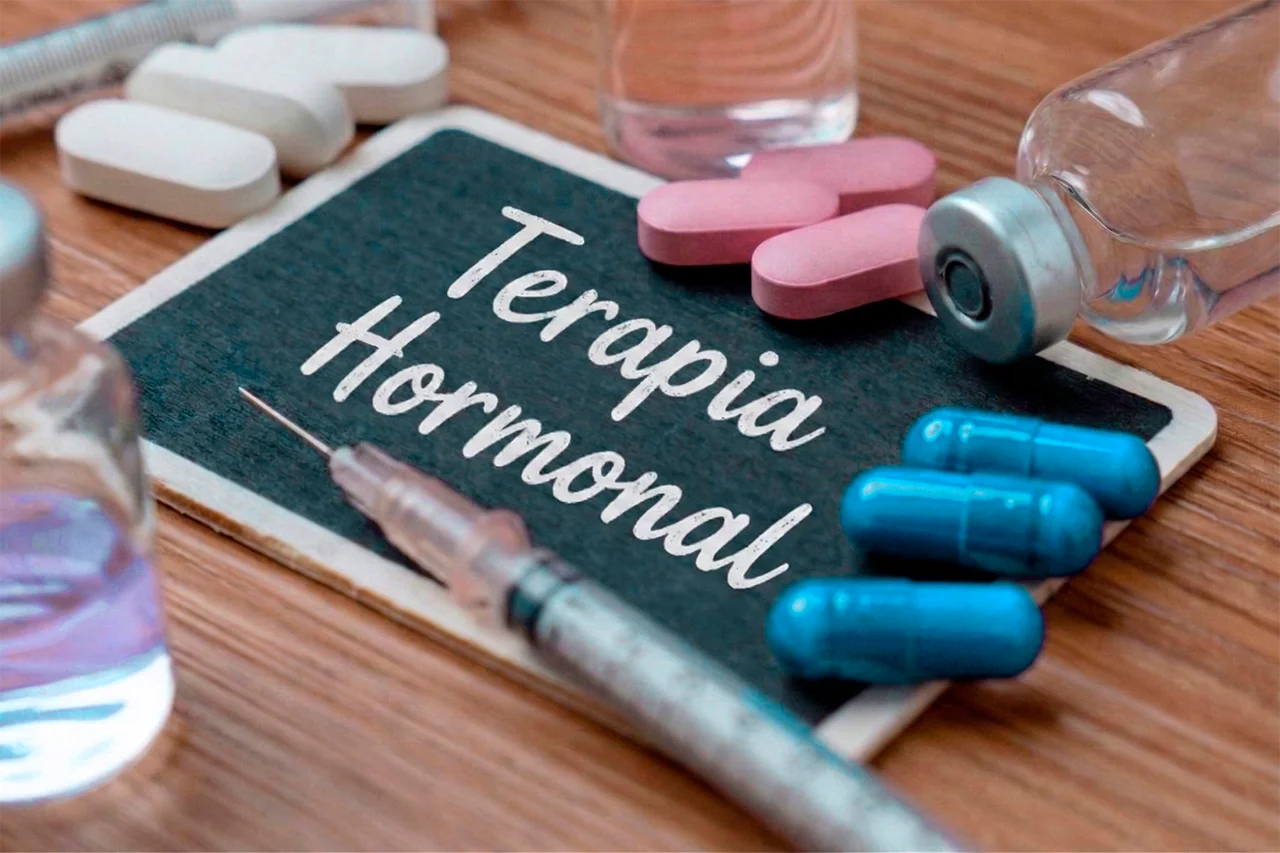
When discussing the ideal hormone replacement therapy, we must distinguish between the scopes of treatment. Systemic therapy—which includes hormone replacement therapy medications in the form of pills, patches, or injections—delivers hormones that travel throughout the entire bloodstream. On the other hand, local therapy (such as vaginal creams or rings) focuses exclusively on treating dryness and genitourinary discomfort, making it an excellent option for women who do not require a comprehensive, body-wide treatment.
Combined Hormone Therapy (EPT) and the Role of Progesterone
Combined hormone replacement therapy utilizes estrogen and progestin (a form of progesterone). It is the gold standard for women who still have their uterus. Estrogen is responsible for relieving symptoms; however, if administered alone, it can thicken the uterine lining and increase the risk of endometrial cancer. Progestin is added specifically to protect the uterus, balancing the effects of estrogen and ensuring safe therapy.
Administration Options and Flexibility
Today, menopausal hormone treatments are available in multiple delivery methods to suit each patient’s lifestyle:
- Oral: Daily pills that are easy to administer.
- Transdermal: Patches or gels absorbed through the skin, bypassing first-pass liver metabolism.
- Vaginal: Suppositories and creams for localized relief.
- Injectable: Long-acting injections.
Is There a Natural Hormone Replacement Therapy?
Many patients ask about natural hormone replacement therapy. This typically refers to phytotherapy derived from plants such as soy or black cohosh (Cimicifuga racemosa). While these can help in cases with very mild symptoms, they lack the efficacy of pharmaceutical medications in preventing conditions such as osteoporosis. Nevertheless, they remain a valid alternative for women with medical contraindications to synthetic or bioidentical hormones.
Risks and Side Effects: What You Should Know
Not all women are suitable candidates for this treatment. There are strict contraindications for those who have a history of certain types of cancer—such as breast, ovarian, or endometrial cancer—since these cancer cells can be hormone-sensitive. Likewise, women with a history of blood clots (thrombosis), severe liver disease, undiagnosed vaginal bleeding, or active smokers should avoid systemic hormones due to an increased risk of vascular complications.
Balancing Dosage and Duration
Risks, such as developing blood clots or a slight increase in the likelihood of breast cancer, are closely linked to the duration of treatment and the patient’s age. Dr. Ortiz emphasizes that using the lowest effective dose for the shortest necessary duration is the key to success. Annual medical follow-ups—including mammograms and lab tests—allow doctors to adjust therapy and ensure that the safety profile remains optimal for the patient.
Alternatives for Non-Hormonal Candidates
If you are not a candidate for hormone therapy, there are still effective paths to enhance your well-being:
- Lifestyle Changes: Cardiovascular and strength-training exercises to protect your bones and heart.
- Nutrition: Nutritional support during menopause is essential; this includes a diet rich in calcium and vitamin D, while limiting caffeine and alcohol.
- Stress Management: Practices such as yoga or meditation to help manage mood swings.
- Non-Hormonal Pharmacological Support: The use of certain prescription antidepressants can effectively help control hot flashes.
At the Women’s Center at Centro Médico ABC, we provide specialized care. Contact us today!
Frequently Asked Questions (FAQ)
Fuentes:
Dra. Eréndira Ortiz Ruiz – Ginecóloga especialista en menopausia y climaterio del Centro Médico ABC
YouTube Centro Médico ABC, Cancer.org, NIH