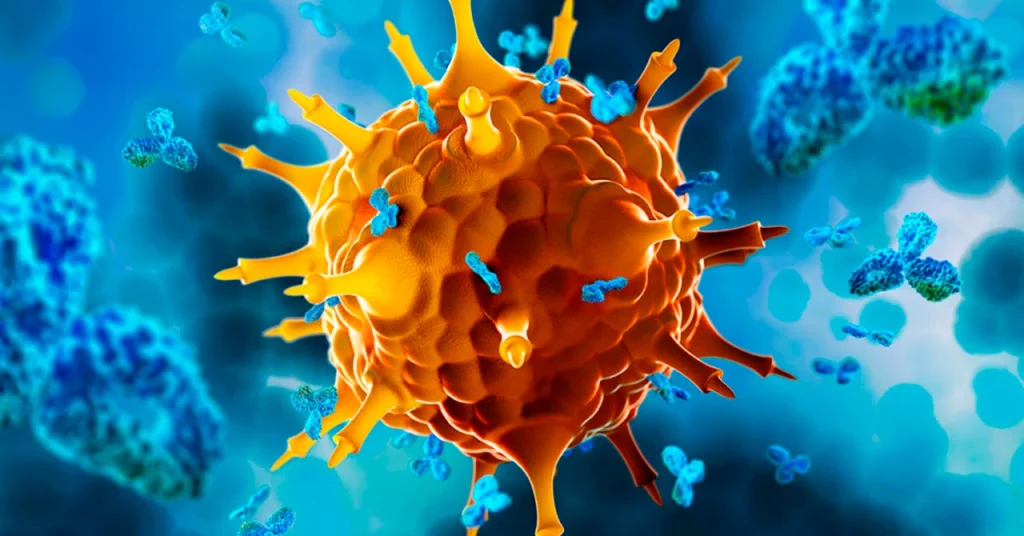
The immune system is a network of cells, tissues, and organs that work together to defend the body against viruses, bacteria, fungi, parasites, and other substances that can cause disease. Its fundamental mission is to protect the body against pathogens—microorganisms capable of causing illness, with the most common being viruses, bacteria, fungi, and parasites.
Without a functional immune system, the human body would be constantly exposed to environmental threats that could become life-threatening in a matter of days. Understanding how it works is a vital tool for long-term health care and disease prevention.
What Is the Function of the Immune System?
The primary function of the immune system is to protect the body, which it achieves through various strategies:
Recognizing Foreign Agents
The body is in constant contact with the outside world. Every time we breathe, eat, or injure our skin, we come into contact with millions of microorganisms. The immune system must be able to identify which of these are harmless (such as the gut microbiota) and which pose a real threat.
Fighting Infections
Once an invader is identified, the system triggers a cascade of chemical signals. This mobilizes defense cells to the site of infection to neutralize the pathogen before it can replicate and cause systemic harm.
Activating Response Mechanisms
The system does not act in isolation. It coordinates processes such as inflammation, elevated body temperature (fever), and mucus production. Although uncomfortable, these mechanisms are signs that the body is actively fighting back.
Generating Immunological Memory
After overcoming an infection, the system stores a molecular record of the invader. This ensures that if the same pathogen attacks again, the immune response is so fast that the person may not even develop symptoms.
All of this is accomplished through an internal state of balance known as homeostasis.
How Does the Immune System Work?
The operation of the immune system is a highly precise process of molecular recognition. For the system to act, it must first know whom to attack and whom to protect.
Identification of Antigens
Pathogens carry molecules on their surface called antigens, which act as a unique "identity tag." Immune cells are programmed to scan these tags. When they detect an antigen that does not belong to the body’s self-catalog, a defense response is launched.
Activation of Defenses and Cellular Communication
Once an antigen is detected, immune cells release proteins called cytokines. These act as chemical messengers that recruit other cells to the infection site, dilate blood vessels to facilitate the passage of white blood cells, and signal the brain to raise body temperature if necessary.
Distinguishing Between Self and Non-Self
The ability to distinguish healthy body cells from foreign invaders is critical. A balanced immune system possesses "tolerance" mechanisms that prevent unnecessary attacks. When this distinction fails, the system begins attacking healthy tissue, leading to autoimmune diseases.
The Two Pillars of Defense: Innate and Adaptive Immunity
The human body does not rely on a single method for its security. There are two primary lines of defense that work in close collaboration.
Innate Immune Response: The First Line of Defense
The innate response is the security system we are born with. It is non-specific, meaning it reacts the same way to any invader.
- Physical Barriers: The skin is the largest organ and the primary wall. Mucous membranes in the nose and throat also trap invaders.
- Speed: It is almost instantaneous, activating within minutes or hours of detecting danger.
- Specialized Cells: Phagocytes (macrophages and neutrophils) engulf and destroy invaders.
- Inflammation: By increasing blood flow to the affected area, it allows more defenses to reach the battle site, causing redness and heat.
Adaptive Immune Response: The Precision Strike
If the innate response cannot contain the infection, the adaptive response comes into play. This system is far more sophisticated and is "tailored" specifically to the invader at hand.
- Specific and Slower: It takes several days to develop the first time it encounters a new pathogen.
- T Cells (T Lymphocytes): Cytotoxic T cells destroy infected cells to stop viral spread, while helper T cells coordinate the overall response strategy.
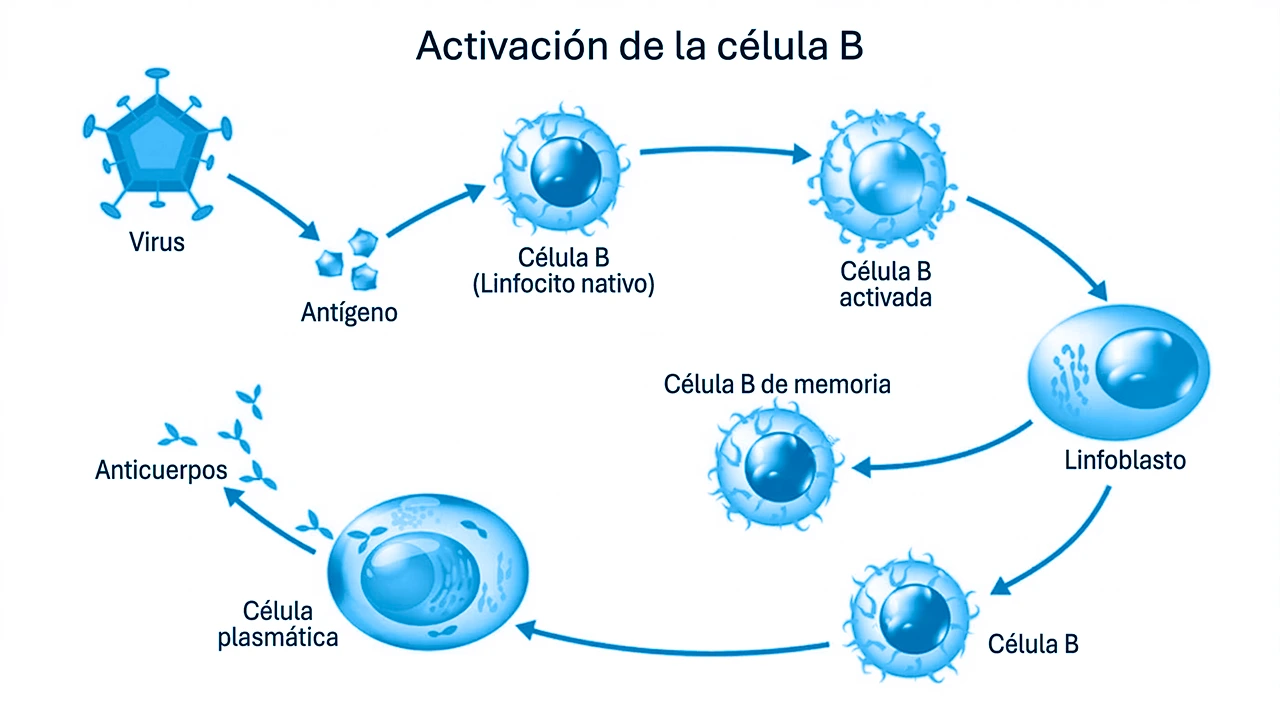
- B Cells (B Lymphocytes): Their main function is to produce "chemical weapons": antibodies.
- Immunological Memory: After the battle, some cells become "memory cells" that live for years in the lymph nodes and spleen, ready for a future encounter.
What Are Antibodies?
Antibodies, technically known as immunoglobulins (Ig), are Y-shaped proteins produced by B cells. Their role is fundamental to long-term immunity.
Definition and Role of Immunoglobulins
When a B cell recognizes an antigen, it produces thousands of specific antibodies that bind to the pathogen. This can neutralize the invader directly—preventing it from entering healthy cells—or act as a "warning signal" for other immune cells to destroy it.
Relationship with Vaccines
Vaccines are, essentially, training for the immune system. They introduce a harmless or fragmented version of the antigen so that the body can generate antibodies and memory cells without suffering from the disease. Thus, in the event of an actual exposure, the system is already trained.
Diseases of the Immune System
When this mechanism loses its balance, serious conditions can arise, known as immune system disorders, which are divided into two main categories:
Immunodeficiencies
These occur when the system is unable to mount an adequate response.
- Primary Immunodeficiency: Genetic disorders typically detected during childhood.
- Secondary Immunodeficiency: Acquired through factors such as:
- Medications: Chemotherapy or prolonged use of corticosteroids.
- Medical Conditions: Diabetes, kidney disease, or HIV (which attacks T cells).
- Age Extremes: Newborns and elderly individuals have less robust immune systems.
Autoimmune Diseases
These occur when the system mistakes self-tissues for foreign invaders. Common examples include lupus, rheumatoid arthritis, multiple sclerosis, and celiac disease. In these cases, treatment aims to modulate the immune response to prevent organ damage.
When to Seek Medical Attention
It is essential to consult an internal medicine specialist if you experience:
- Recurrent Infections: More than four ear infections or two cases of pneumonia in a single year.
- Slow Recovery: Wounds that do not heal or infections that consistently require hospitalization.
- Systemic Symptoms: Chronic fatigue, persistent unexplained fever, or constant joint inflammation.
Seeking medical help at the first warning signs is not just about "curing an infection"—it is about preventing the system from becoming exhausted or attacking itself. Listening to your body and consulting a specialist allows you to strengthen your defenses before your safety net weakens, ensuring your organism remains a safe place for you.
At the Internal Medicine Department of Centro Médico ABC, we provide specialized care. Contact us today!
Fuentes:
MedlinePlus, MSD Manuals, Stanford Medicine