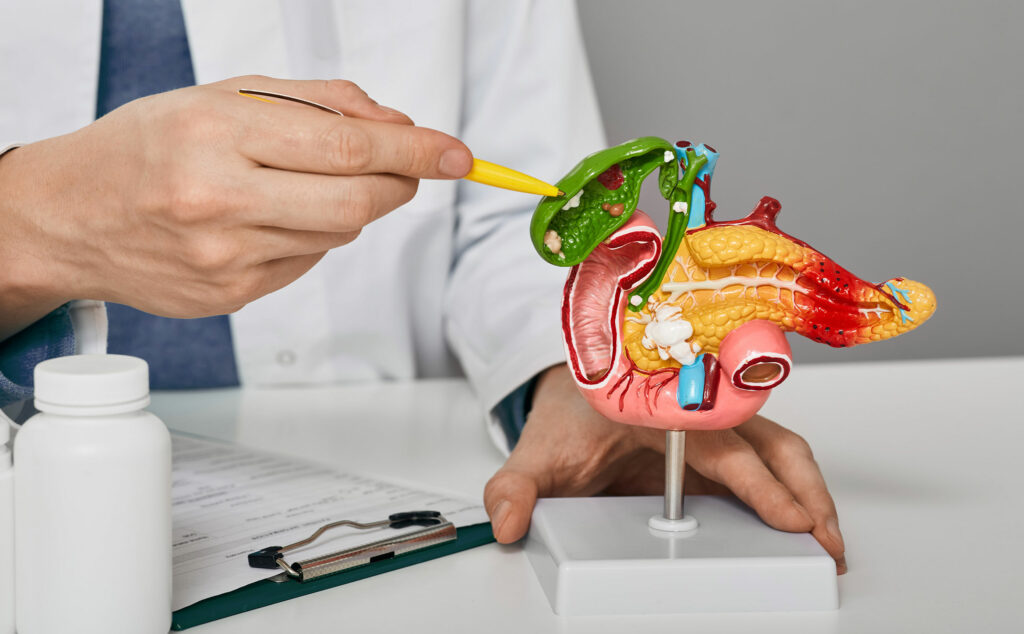
Gastrointestinal diseases, also known as digestive diseases, refer to all disorders affecting the digestive tract, which is composed of the esophagus, stomach, small and large intestines, liver, pancreas, and gallbladder. These disorders can range from mild to severe.
They are generally caused by bacteria, parasites, viruses, or certain foods such as milk and high-fat items, although there are cases where medications can also trigger this discomfort.
Symptoms of a Gastrointestinal Disease
Regardless of their origin, gastrointestinal diseases can present one or more symptoms, including:
- Heartburn
- Weight gain or loss
- Diarrhea
- Abdominal bloating
- Abdominal pain
- Constipation
- Nausea
- Bleeding
- Vomiting
Types of Gastrointestinal Diseases
There is a wide variety of gastrointestinal diseases that can affect a person’s health. Some of the most common include:
- Gallstones: Hardened deposits of digestive fluid.
- Pancreatitis: Inflammation of the pancreas, which can occur suddenly or develop over several years.
- Esophageal issues: Conditions such as esophageal stricture, achalasia, or esophagitis.
- Stomach conditions: Such as gastritis or gastric ulcers.
- Intestinal disorders: Including polyps, cancer, celiac disease, and intestinal ischemia, among others.
- Rectal conditions: Including anal fissures, hemorrhoids, proctitis, or rectal prolapse.
- GERD: Gastroesophageal reflux disease, which occurs when stomach contents flow back into the esophagus.
Through diagnostic tests such as colonoscopies, endoscopies, cholangiopancreatography, and endoscopic ultrasounds, physicians can identify the underlying cause of a gastrointestinal disease and guide the appropriate treatment.
How to Prevent Gastrointestinal Diseases
Because most of these diseases stem from bacteria, viruses, and parasites, following these recommendations can help prevent them:
- Drink boiled or bottled water.
- Wash fruits and vegetables before consuming them.
- Wash your hands before preparing any food.
- Wash your hands before eating and after using the bathroom.
- Thoroughly clean your kitchen before and after preparing food.
- Avoid eating street food.
- Do not eat raw meat.
- Do not consume expired food.
At the Internal Medicine Department of Centro Médico ABC, we provide specialized care. Contact us today!