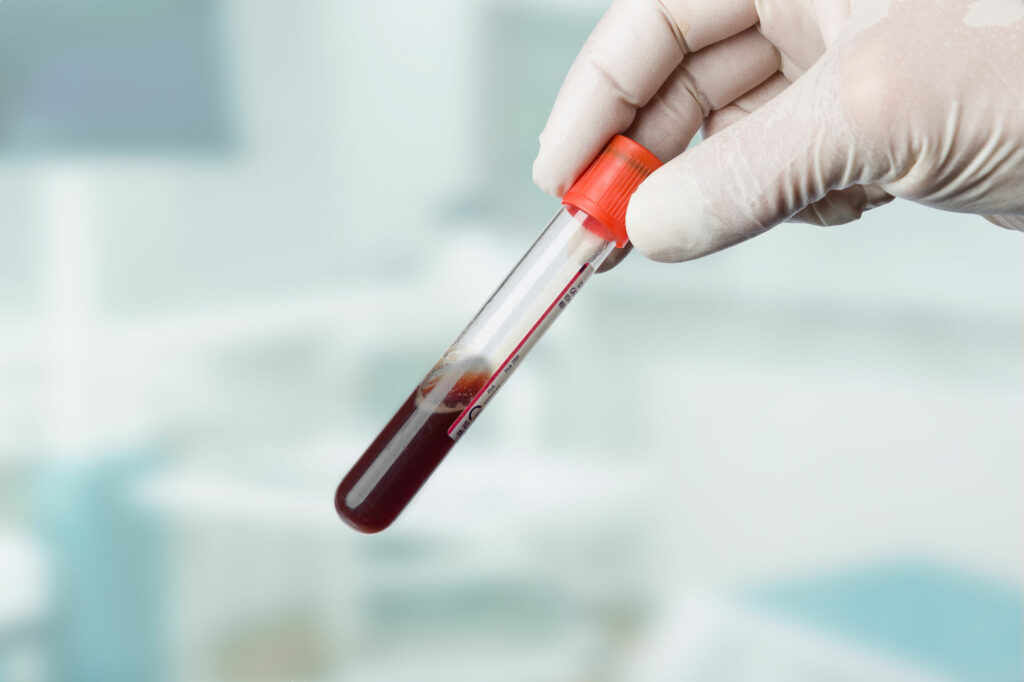
Identifying and properly interpreting glycated hemoglobin levels is an effective way to achieve a timely diagnosis of type 1 and type 2 diabetes. For this reason, taking this glucose test regularly offers invaluable benefits for overall health and long-term medical monitoring.
Glycated hemoglobin is one of modern medicine’s most powerful tools for assessing how sugar behaves in the body over time. Unlike daily finger-prick tests, which only provide a momentary snapshot, this test offers a comprehensive picture of the past few months, allowing specialists to make informed, personalized clinical decisions for each patient.
What Is Glycated Hemoglobin and What Is It Used For?
Glycated hemoglobin, also known as HbA1c or "A1C," is a laboratory test that measures average blood sugar levels over the past two to three months, providing an accurate diagnosis and monitoring tool for diabetes.
To understand what glycated hemoglobin is, we must first look at how the body functions. Hemoglobin is an essential protein found inside red blood cells whose main job is to transport oxygen from the lungs to organs and tissues throughout the body. As glucose circulates through the bloodstream, a portion naturally attaches to this protein—a chemical process known medically as glycation.
As blood sugar levels rise, a higher percentage of hemoglobin becomes coated with sugar. Because red blood cells have an average lifespan of 120 days (about three months), measuring the amount of sugar attached to them gives us a reliable historical record. This test is used both to detect if someone has diabetes and to evaluate whether a diagnosed patient is maintaining an effective treatment plan aimed at optimal control or remission.
Glycated Hemoglobin: Normal Levels and Control Ranges
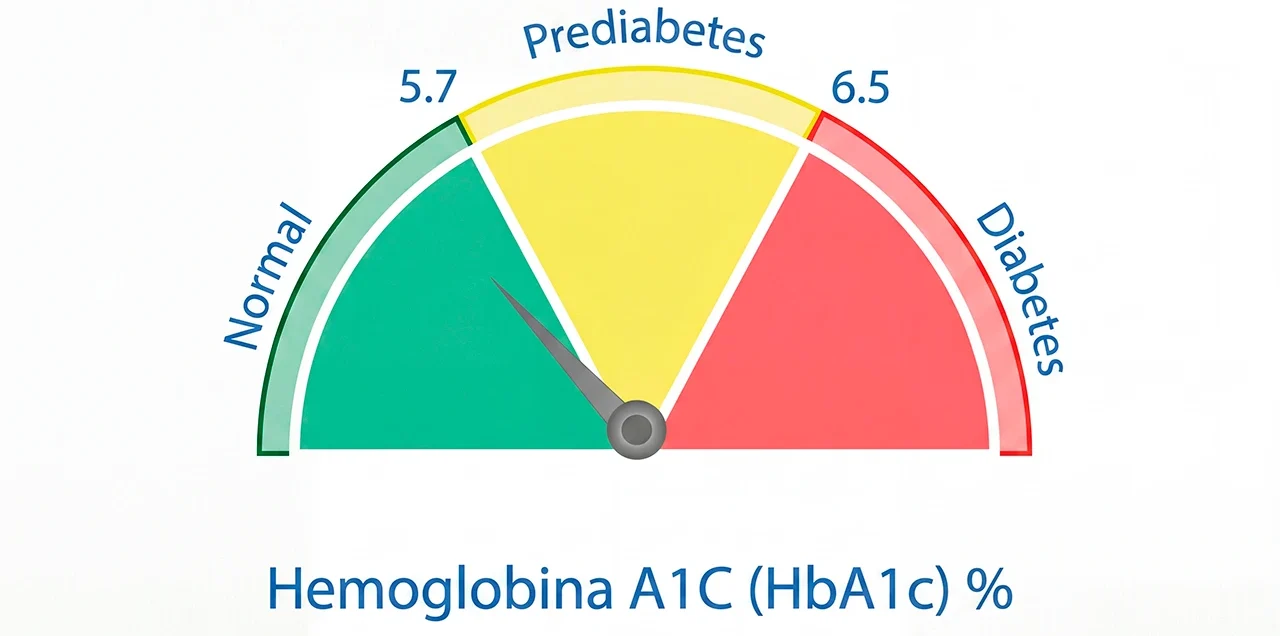
Glycated hemoglobin values are expressed as percentages that categorize a person’s metabolic health into three clear ranges: normal, prediabetes, and diabetes. These categories are crucial for preventing chronic complications.
When you receive your results, you will see a percentage. The higher your blood sugar levels have been, the higher your HbA1c percentage will be—indicating lower glycemic control. Uncontrolled sugar levels significantly increase the long-term risk of developing severe complications affecting vision, kidney function, and cardiovascular health. Conversely, keeping these parameters under close medical supervision supports overall bodily stability.
Normal Range (Non-Diabetic)
For glycated hemoglobin, normal levels sit strictly below 5.7%, indicating proper glucose metabolism.
A result under 5.7% means blood sugar levels have remained stable and within healthy parameters over the past three months. In this range, an individual shows no insulin-related metabolic alterations, drastically reducing the risk of vascular damage. Maintaining a healthy lifestyle remains vital to preserving these results over time.
Prediabetes Range
A result between 5.7% and 6.4% falls outside the normal range and indicates an intermediate state called prediabetes.
A percentage in this range is a warning sign. It means cells are beginning to show insulin resistance or that the pancreas is not producing enough insulin to process sugar effectively. Prediabetes is an invaluable window of opportunity: with timely changes in diet, physical activity, and medical guidance, it is entirely possible to reverse this trend and prevent it from progressing into a chronic condition.
Diabetes Diagnosis Range
A value of 6.5% or higher on the HbA1c test is the formal clinical threshold for diagnosing diabetes.
A glycated hemoglobin level of 6.5% or higher confirms the presence of diabetes. This indicates that the body has lost its ability to regulate glucose on its own, exposing organs to ongoing wear and tear. For patients already living with the condition, an elevated result points to an urgent need to adjust their treatment plan under a specialist’s guidance to bring levels back into a safe range.
Glycated Hemoglobin Reference Table and Estimated Average Glucose
The HbA1c reference table translates the test percentage into milligrams per deciliter (mg/dL), reflecting your actual estimated daily average blood sugar.
To help patients better understand their HbA1c percentage, the medical community uses an equivalence scale linking the percentage to the daily average glucose reading you would see from a traditional lab test or home blood glucose meter. Understanding this comparison provides a clear picture of daily blood sugar patterns over the previous three months and helps assess the risk of diabetes complications.
Below is the international standard conversion table for interpreting HbA1c and its corresponding values in the most common units of measurement: milligrams per deciliter (mg/dL) and millimoles per liter (mmol/L):
| HbA1c Percentage | Estimated Average Glucose (mg/dL) | Estimated Average Glucose (mmol/L) |
|---|---|---|
| 6 % | 126 mg/dL | 7.0 mmol/L |
| 7 % | 154 mg/dL | 8.6 mmol/L |
| 8 % | 183 mg/dL | 10.2 mmol/L |
| 9 % | 212 mg/dL | 11.8 mmol/L |
| 10 % | 240 mg/dL | 13.4 mmol/L |
| 11 % | 269 mg/dL | 14.9 mmol/L |
| 12 % | 298 mg/dL | 16.5 mmol/L |
16.5 mmol/L
Note: Each 1% increase in the HbA1c table represents a significant jump in estimated daily average blood sugar. Reducing your result even by a small percentage noticeably lowers the likelihood of damage to the body’s microvascular system.
How Is the Glycated Hemoglobin (HbA1c) Test Performed?
The HbA1c test is performed using a standard venous blood sample drawn at a clinical laboratory. It does not require prolonged fasting or special preparation.
To obtain accurate glycated hemoglobin results, a blood sample is typically drawn from a vein in the arm. One major advantage of this test over an oral glucose tolerance test or a fasting blood sugar test is convenience: patients can visit the lab at any time of day, as recent food intake does not alter the percentage of sugar already bound to red blood cells over the preceding weeks.
Testing frequency depends on the type of diabetes, individual management goals, and a doctor’s instructions. General guidelines recommend the following schedule:
- Once a year: For individuals diagnosed with prediabetes, to ensure the condition does not progress.
- Twice a year: For patients with stable type 2 diabetes who do not use insulin.
- Four times a year: For individuals living with type 1 diabetes, due to the natural variability of the condition.
- Four times a year: For patients with type 2 diabetes whose treatment plan includes insulin or who have recently changed therapies.
What Can Alter HbA1c Levels?
Certain medical conditions unrelated to blood sugar—such as anemia, blood loss, or genetic hemoglobin variants—can cause falsely high or low test results.
While the HbA1c test is highly reliable for most people, specific situations can lead to false positives or false negatives. Because the test relies entirely on red blood cells and the protein inside them, any change in the lifecycle of these cells will alter the final lab reading.
For example, individuals with iron deficiency anemia may show falsely elevated HbA1c values because older red blood cells circulate longer and accumulate more sugar over time. Conversely, conditions that shorten red blood cell lifespan—such as recent blood loss, transfusions, chronic kidney disease, or hemolytic anemia—can result in artificially low percentages that do not accurately reflect true blood sugar levels. When these factors are suspected, physicians use alternative clinical evaluations to ensure an accurate diagnosis.
At the Diabetes Clinic at Centro Médico ABC, we offer specialized care. Contact us today!
Disclaimer: The content in this material is for informational purposes only and under no circumstances replaces a consultation with a medical specialist. Centro Médico ABC is not responsible for any alternative use of this information. If you require further information on this topic, we suggest contacting a trusted healthcare provider directly.
Frequently Asked Questions
Fuentes: MedlinePlus, Scielo, Elsevier