
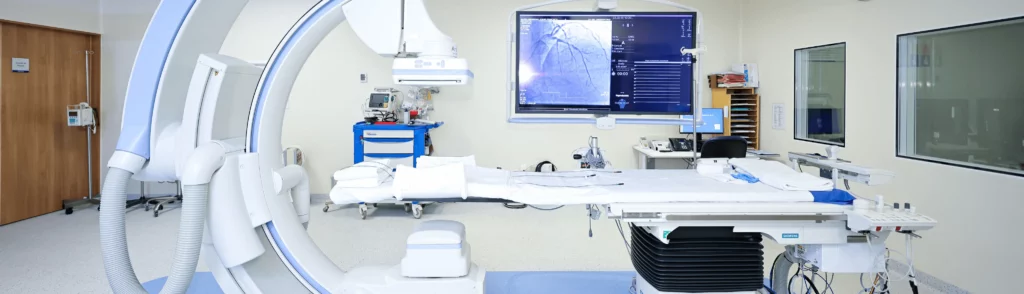
Cardiovascular Diagnostic Center
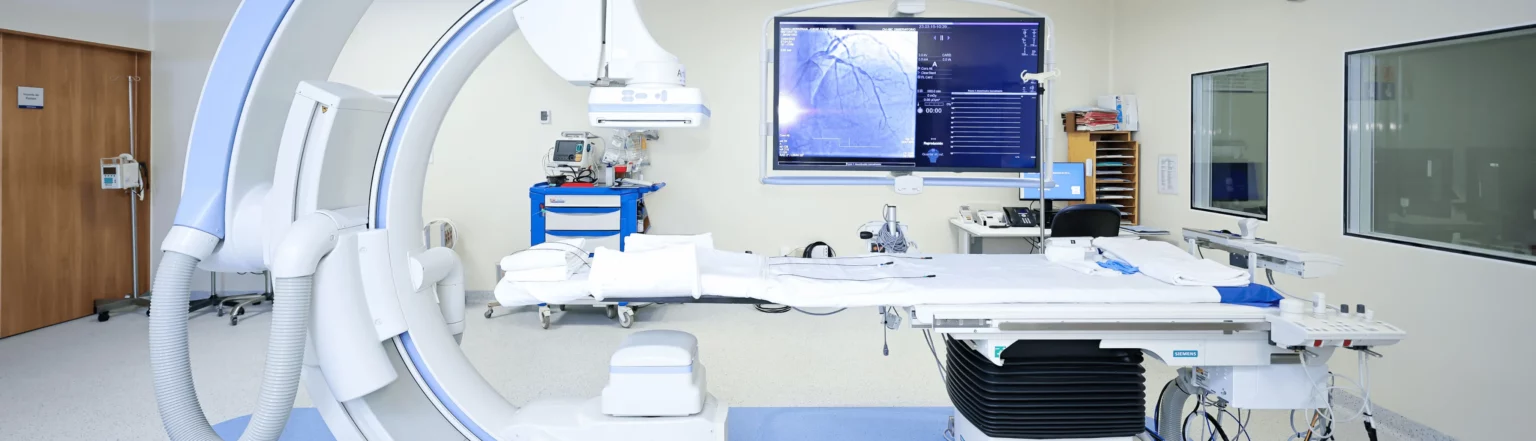
Healthy heart
At the Cardiovascular Center we offer you a wide range of prevention, diagnosis, timely treatment, and follow-up services to take care of your heart and that of your loved ones, through a comprehensive and multidisciplinary care model.
Cardiovascular Tests in Mexico City: Diagnosis, Types, and When to Get Them
Cardiovascular diseases are one of the leading causes of death worldwide, making early detection essential to prevent serious complications such as acute myocardial infarction or heart failure.
At the Cardiovascular Diagnostic Center of ABC Medical Center, we combine advanced technology with a team of cardiologists specialized in cardiovascular imaging to provide accurate studies for the detection, diagnosis, treatment, and follow-up of heart diseases.
Detect heart disease early with high-precision technology and board-certified specialists.
Cardiovascular Tests: Types, Purpose, and When to Get Them
At ABC Medical Center, we offer cardiology studies for the prevention, diagnosis, and follow-up of heart conditions such as arrhythmias, hypertension, and coronary artery disease. All studies are interpreted by cardiologists specialized in cardiovascular imaging, ensuring diagnostic accuracy and appropriate follow-up care.
Below, we explain the main cardiovascular tests, what they evaluate, and when they are recommended.
Routine and Functional Cardiology Tests
Performed at the Cardiovascular Diagnostic Center
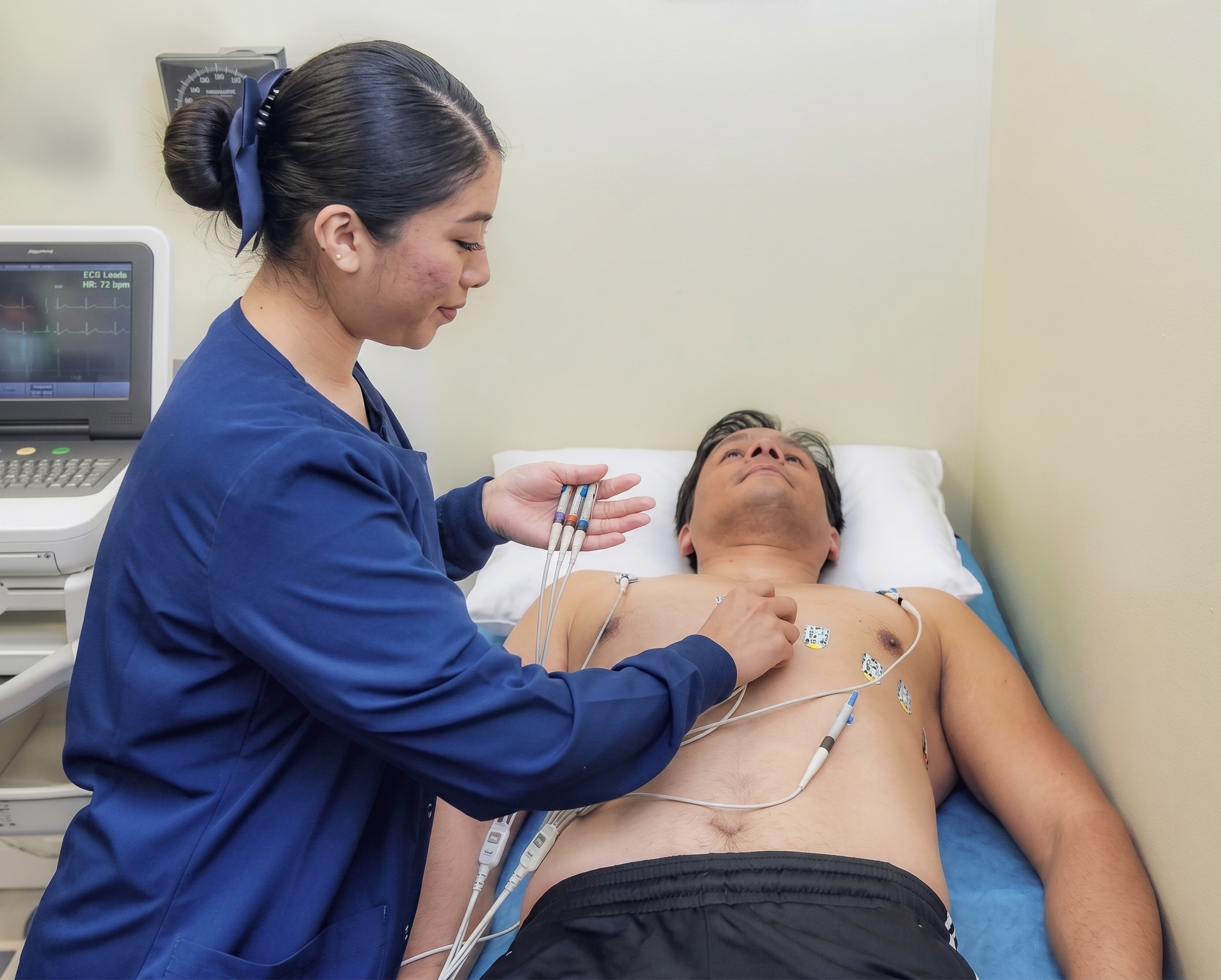
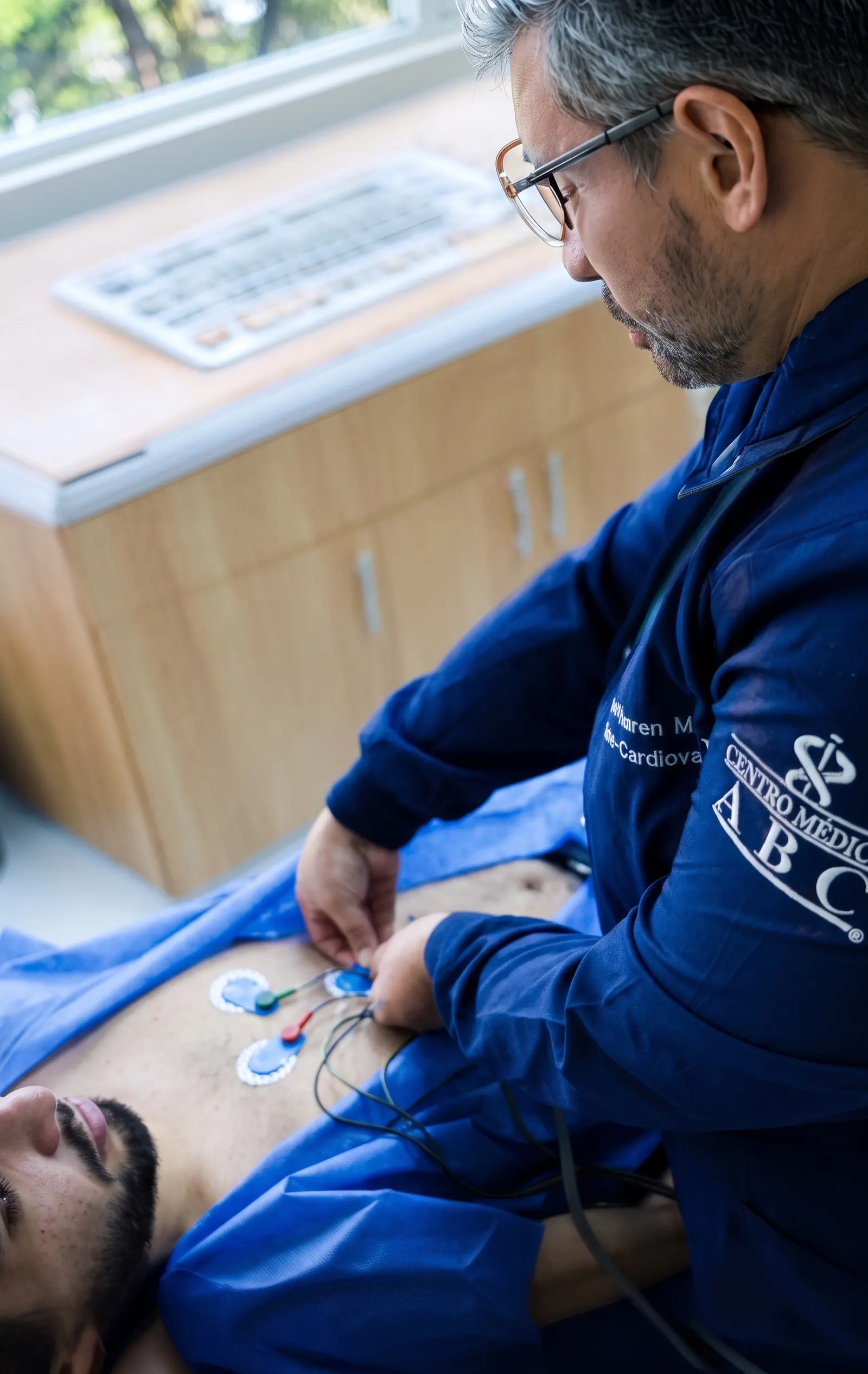
Electrocardiogram (ECG or EKG):
A basic test that records the electrical activity of the heart. An electrocardiogram is used to detect arrhythmias, heart rhythm abnormalities, signs that may suggest a heart attack, and is also commonly performed as part of routine checkups and preoperative evaluations.
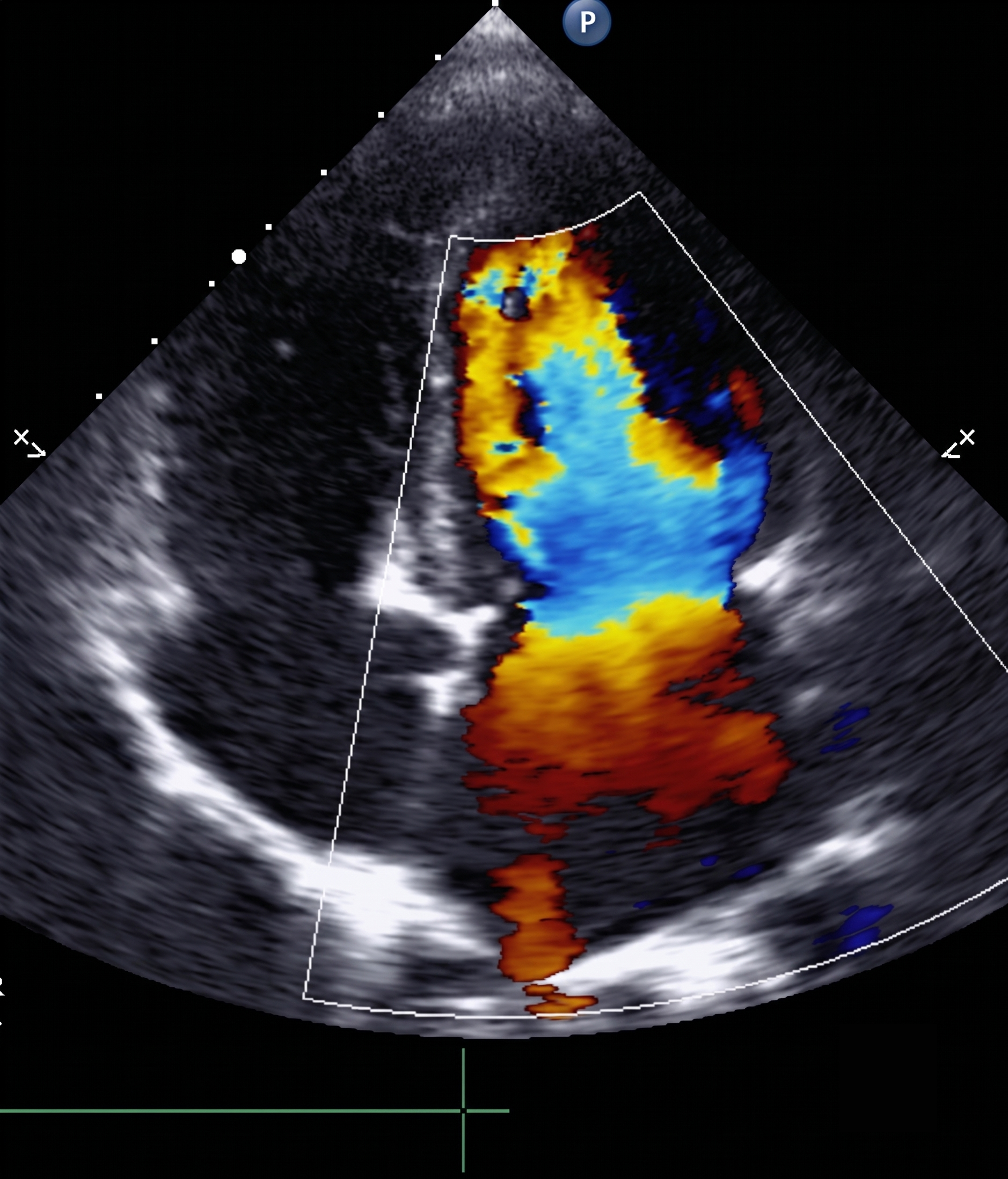
Echocardiogram (Doppler Echocardiography):
Allows real-time visualization of the heart’s structure and function, including valves and cardiac motion. It is useful for diagnosing heart failure, valvular disease, and congenital heart conditions.
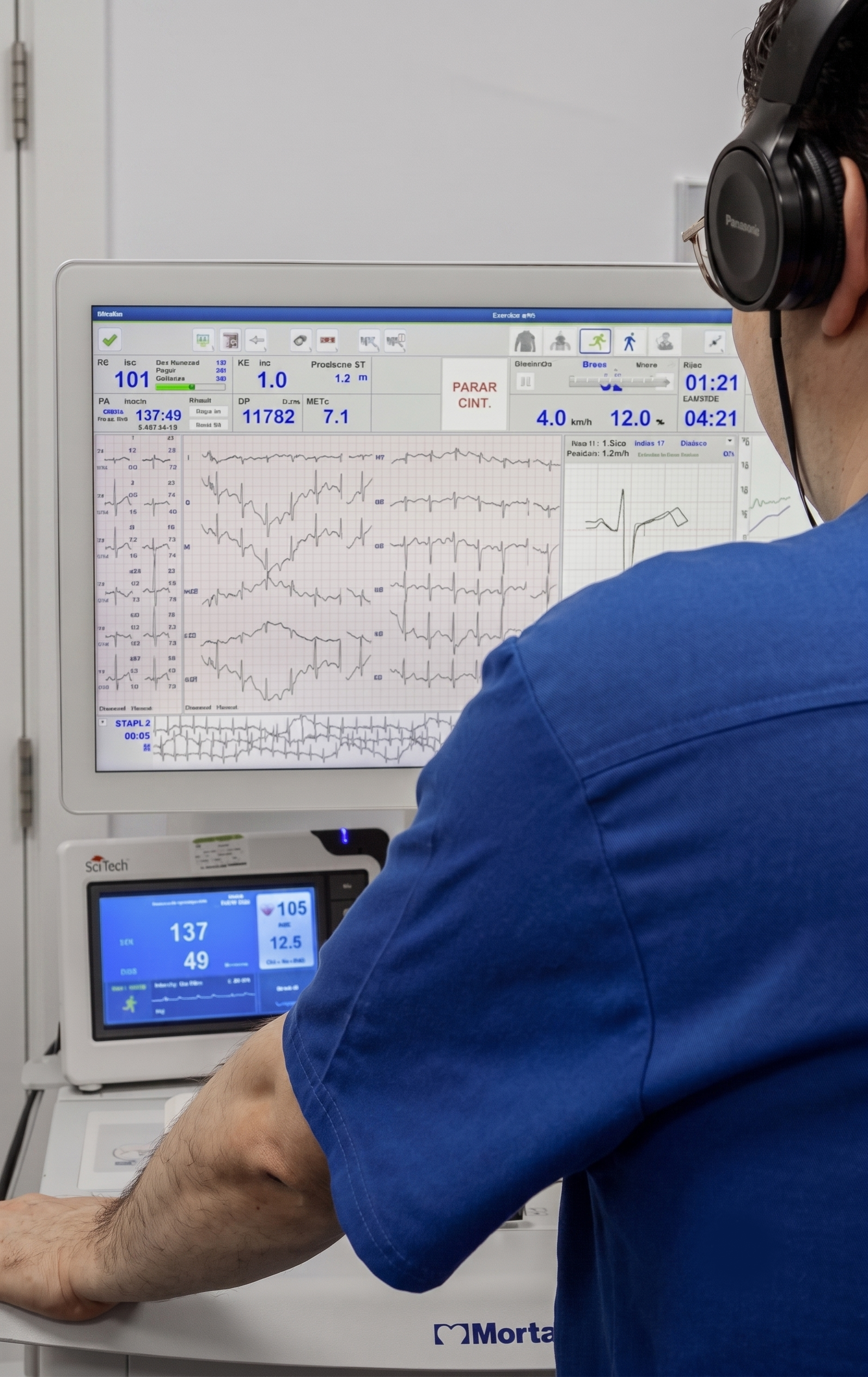
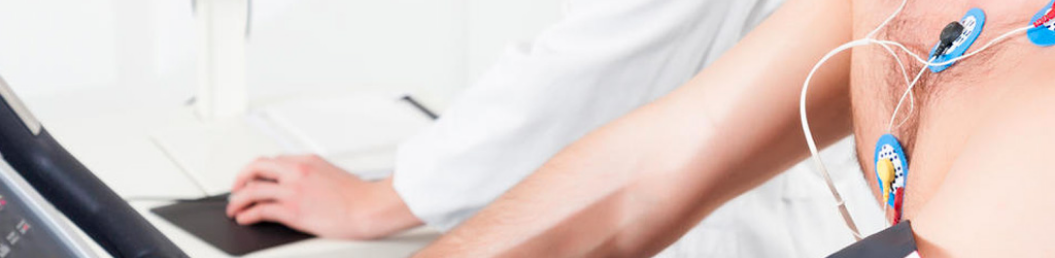
Stress Test (Exercise Stress Test):
Evaluates how the heart functions during physical activity. A stress test is recommended when coronary artery disease or angina is suspected.
Tilt Table Test:
A functional study that evaluates blood pressure and heart rate responses to changes in body position. The tilt table test is used to identify possible causes of fainting, dizziness, temporary loss of consciousness, or episodes related to drops in blood pressure.
24- and 48-Hour Holter Monitor:
A continuous monitoring test that records the heart’s electrical activity and rhythm over 24 or 48 hours using a portable device worn during normal daily activities and returned at the end of the study. The Holter monitor helps detect intermittent arrhythmias and other rhythm abnormalities that may not appear on a standard electrocardiogram.
Ambulatory Blood Pressure Monitoring (ABPM):
A study that continuously measures blood pressure over a 24-hour period using a portable device worn by the patient and returned after the study is completed. ABPM helps diagnose and monitor hypertension and can also identify cases where blood pressure rises only during medical visits due to anxiety or stress (white coat hypertension).
These studies are performed directly at the Cardiovascular Diagnostic Center.
To schedule a study, request information, or resolve questions regarding preparation, instructions, or department assistance, you may contact the following numbers:
| Department | Location | Hours | Phone |
|---|---|---|---|
| Cardiovascular Center |
Observatorio Campus Location: Central Tower, 2nd Floor. Santa Fe Campus Location: Central Tower, Plaza Level. |
Monday to Friday: 7:00 a.m. – 8:00 p.m. Saturdays and holidays: 7:00 a.m. – 2:00 p.m. Sundays: Closed |
Observatorio Campus 55 5230 8000 Ext. 8194 or 8198 Santa Fe Campus 55 1103 1600 Ext. 1626 or 1627 |

Advanced Cardiovascular Imaging Studies
Performed in Radiology and Molecular Imaging
Cardiac CT Scan / Coronary CT Angiography:
A non-invasive study that allows visualization of the coronary arteries to detect plaque buildup, blockages, or risk of heart attack.
Coronary Calcium Score:
A quick test that measures calcium buildup in the arteries. It helps identify cardiovascular risk at early stages, even in patients without symptoms. The coronary calcium score is a valuable tool for identifying coronary artery disease risk before symptoms develop.
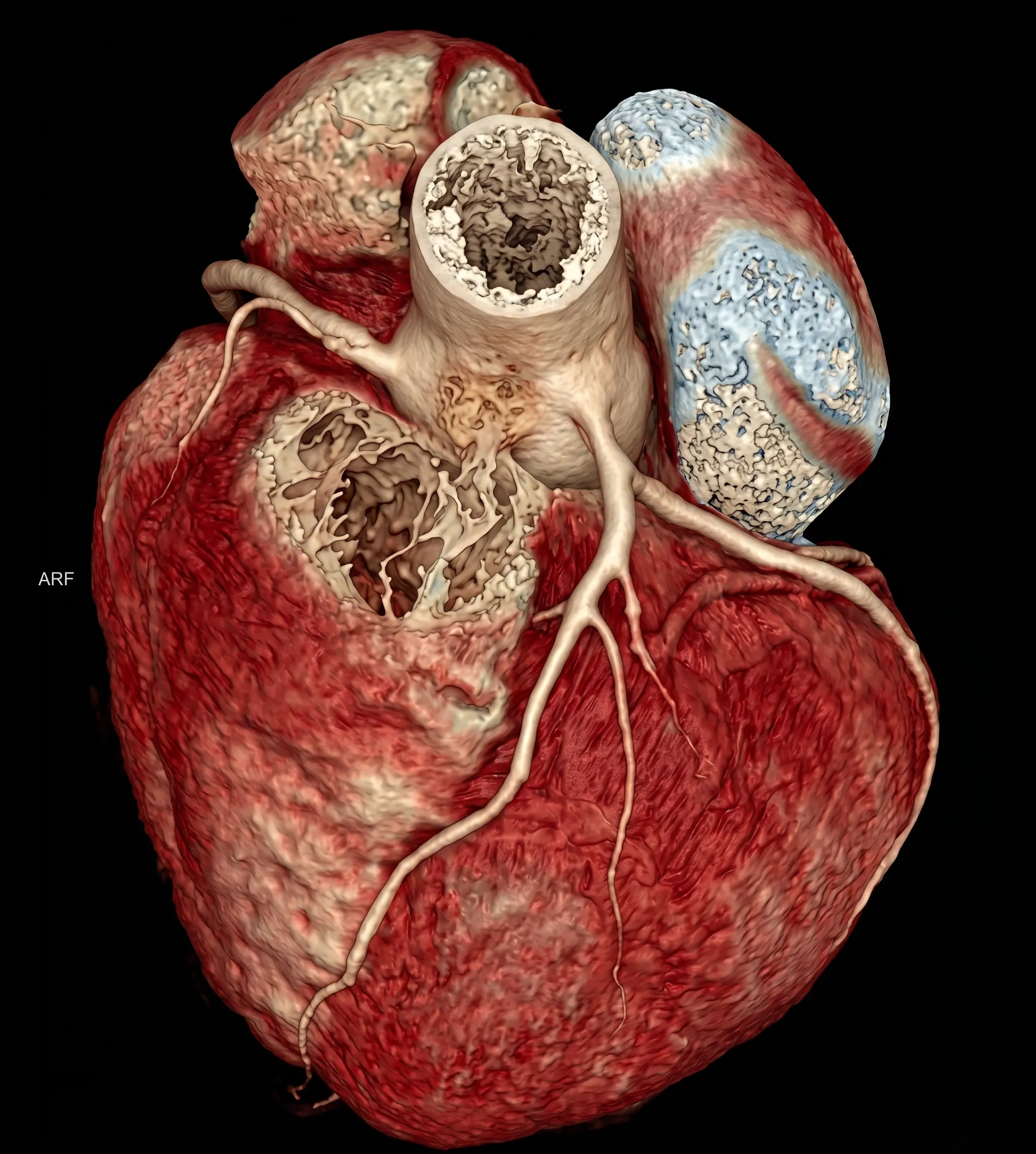
Cardiac Magnetic Resonance Imaging (MRI):
Provides detailed images of the heart without radiation exposure. Cardiac MRI is used to evaluate cardiomyopathies, inflammation, tumors, and cardiac function.
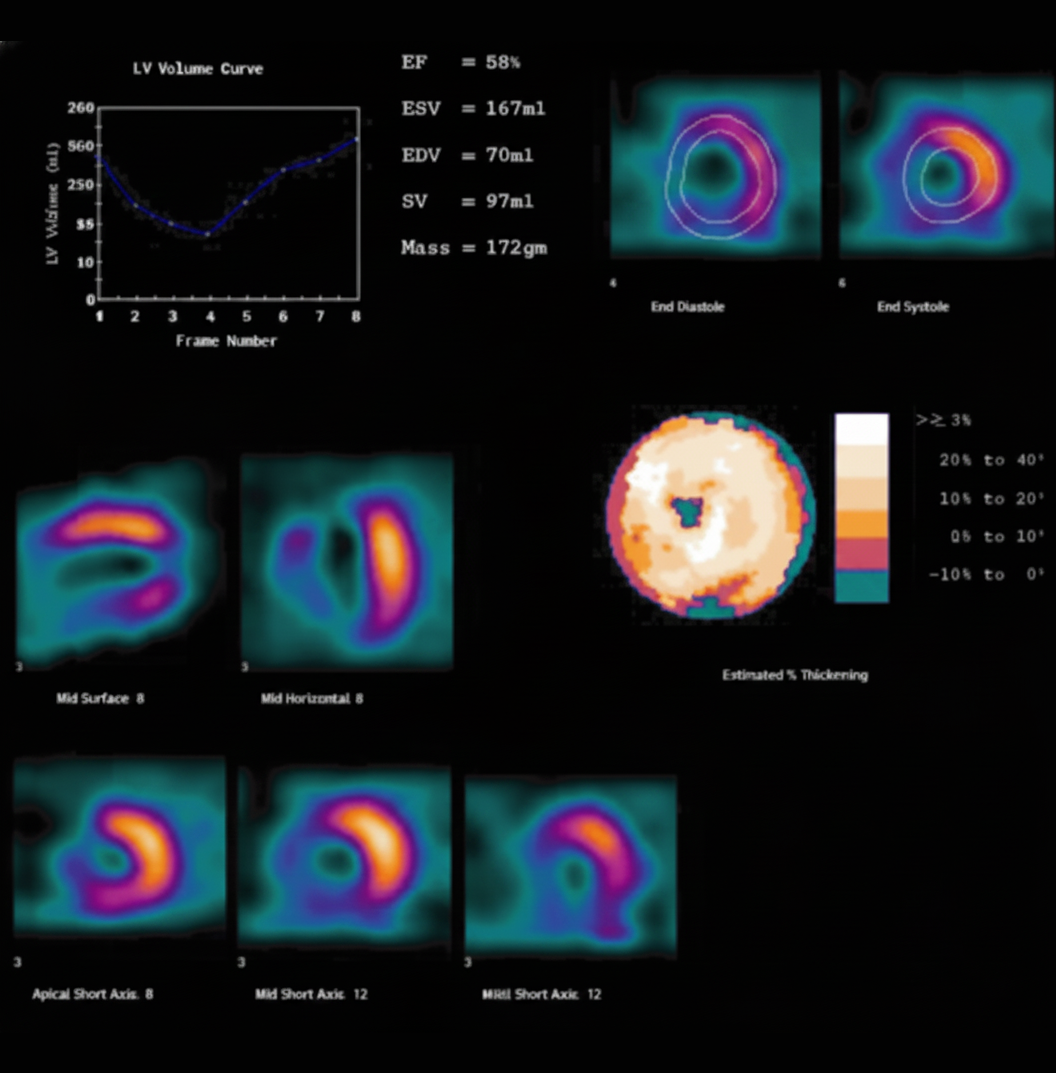
Myocardial Perfusion Scan or SPECT:
A nuclear medicine study that evaluates blood flow to the heart to detect areas with poor perfusion or damage caused by a heart attack. Myocardial SPECT also helps assess heart movement and function and supports the diagnosis of conditions such as cardiac amyloidosis.
Note: This study is only available at the Observatorio Campus of ABC Medical Center.
These studies are performed directly in the Radiology and Molecular Imaging department using specialized technology for advanced cardiovascular diagnosis.
| Department | What We Can Help With | Hours | Phone |
|---|---|---|---|
| Radiology and Molecular Imaging | Study quotes, preparation instructions, appointment scheduling, and questions about indications. | Monday to Sunday: 7:00 a.m. – 9:00 p.m. |
55 5230 3797
|
|
Nuclear Medicine - Myocardial Perfusion Scan - Myocardial SPECT |
Available only at Observatorio Campus. |
Monday to Friday: 7:30 a.m. – 8:30 p.m. Saturdays: 7:30 a.m. – 2:30 p.m. Not available on holidays. |
Observatorio Campus 55 5230 8000 Ext. 8342 |
Specialized Cardiology Procedures
Performed in Hemodynamics Labs
Cardiac Catheterization / Coronary Angiography:
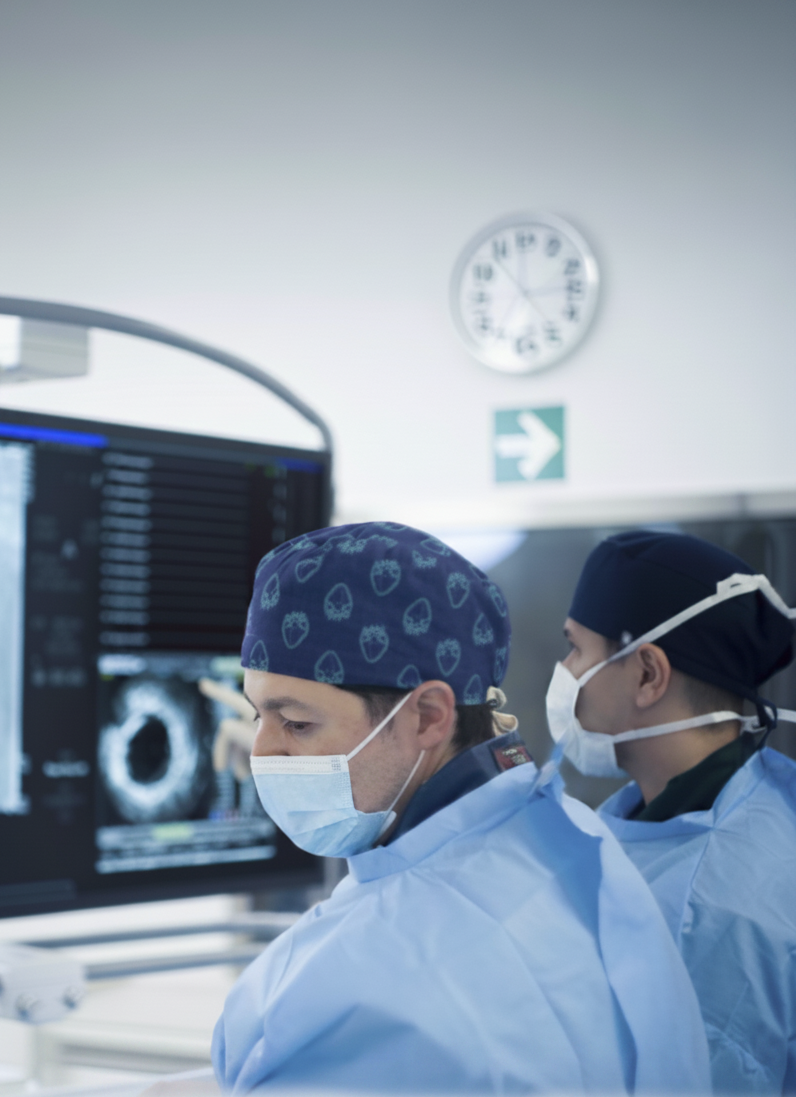
A specialized procedure that allows direct visualization of the coronary arteries, identification of significant blockages, and evaluation of heart function. Cardiac catheterization is one of the most accurate studies for diagnosing coronary artery disease. During the procedure, blocked arteries can also be opened and stents placed to keep them open and improve blood flow to the heart.
Electrophysiology Study (EPS):
Analyzes the heart’s electrical system to diagnose and treat complex arrhythmias.
Laboratory and Support Studies
The following baseline studies are commonly recommended during a cardiology consultation:
- Lipid Profile and Glucose Testing:
Used to evaluate risk factors such as high cholesterol and diabetes. - Troponins and B-type Natriuretic Peptide (BNP):
Laboratory tests used to support the diagnosis of cardiac injury and heart failure.
Laboratory and cardiovascular support studies are performed in the Clinical Laboratory.
| Department | What We Can Help With | Hours | Phone |
|---|---|---|---|
| Contact Center | Laboratory study quotes |
Monday to Sunday 24/7 |
Observatorio Campus 55 5230 8000 Santa Fe Campus 55 1103 1600 |
| Clinical Laboratory | Laboratory study quotes, preparation instructions, and test indications. | Monday to Sunday from 07:00 to 21:00 |
Observatorio Campus 55 5230 8000 Ext. 8122 - 8123 Santa Fe Campus 55 1103 1600 Ext. 1622 - 1623 |
| Scheduling | Schedule your laboratory appointment or visit the Clinical Laboratory directly without an appointment. | 24/7 | Schedule Appointment |
Which Cardiovascular Test Might You Need Based on Your Symptoms?
Pressure, burning, or heaviness in the center of the chest that may radiate to the arms (especially the left arm), neck, jaw, or back.
You may need:
Electrocardiogram, Stress Test, Cardiac Catheterization, Troponin Testing.
Sensation that the heart is beating too fast, too hard, or irregularly (arrhythmias).
You may need:
Holter Monitor (24–48h), Event Recorder, Electrophysiology Study, Electrocardiogram.
Unusual and persistent fatigue without an apparent cause, often accompanied by swelling (edema) in the legs, ankles, or feet due to fluid retention.
You may need:
Doppler Echocardiogram, Lower Extremity Doppler Ultrasound.
Feeling short of breath or experiencing extreme fatigue, which may occur during physical activity or, in more severe cases, at rest.
You may need:
Echocardiogram, Chest X-ray, B-type Natriuretic Peptide (BNP) Test.
Sudden loss of consciousness or feeling faint due to reduced blood flow to the brain.
You may need:
Electrocardiogram, Ambulatory Blood Pressure Monitoring (ABPM), Holter Monitor, Echocardiogram, Tilt Table Test.
How to Prepare for a Cardiovascular Test
Preparation for a cardiovascular study may vary depending on the type of test. Below are general guidelines. For complete instructions for each study, please consult the downloadable guides.
Electrocardiogram – General Instructions
- Arrive 15 minutes early.
- Wear comfortable clothing.
- Bring your medical prescription.
Review the complete instructions for electrocardiograms and related studies such as contrast echocardiography, dobutamine stress echocardiography, stress echocardiography, transesophageal echocardiography, and more in the following PDF.
Stress Test – General Instructions
- Arrive 15 minutes early.
- Fast for 6 hours.
- Inform your doctor about any medications you take (especially beta-blockers and/or antihypertensives).
- Do not apply cream, lotion, powder, or perfume to the chest.
- Avoid caffeine for 24 hours before the study.
- Do not smoke on the day of the study.
- Wear athletic clothing and shoes.
- Inform staff if you have diabetes.
- Attend with a companion.
Holter Monitor – General Instructions
- Shaving part of the chest area may be necessary.
- Do not apply cream, lotion, powder, or perfume.
- Continue normal daily activities.
- Record activities and any symptoms during the study.
- Follow your doctor’s instructions.
ABPM – General Instructions
- Arrive 15 minutes early.
- Do not apply cream, lotion, powder, or perfume.
- Maintain your normal activities and routine.
- Inform your doctor about any medications you take.
- Do not shower during the study.
- Record activities and any symptoms during the study.
- Avoid moving the arm during measurements.
Who Should Get Cardiovascular Tests?
Cardiovascular studies are recommended both for people with symptoms and for those with risk factors or preventive evaluation needs.
- People with risk factors: High blood pressure, high cholesterol, diabetes, smoking, overweight or obesity, sedentary lifestyle.
- People with family history: History of heart attack, coronary artery disease, or sudden death in immediate family members.
- People with cardiac symptoms: Chest pain or pressure, palpitations or irregular heartbeat, shortness of breath, dizziness or fainting, fatigue, or leg swelling.
- People over 40 years old: Preventive evaluation, even without symptoms.
- Patients undergoing medical or preoperative evaluation: Prior to surgery, follow-up of heart disease, or treatment monitoring.
Early detection through cardiovascular studies helps identify abnormalities at early stages and reduce the risk of complications.
Frequently asked questions about cardiovascular studies
Where to Find Us

Campus Observatorio
Sur 136 No. 116, Col. Las Américas, Álvaro Obregón, 01120, Cd. de México.

Campus Santa Fe
Av. Carlos Graef Fernández 154, Col. Santa Fe, Cuajimalpa, 05300, Cd. de México.
