
Neuropathy: What It Is, Types, Symptoms, and Main Treatments
Neuropathy represents one of the most complex and frequent conditions in clinical neurology, affecting the quality of life of millions of people worldwide. Fundamentally, it refers to a dysfunction or damage to the nerves that disrupts essential communication between the brain and the rest of the body. When this failure in the biological wiring occurs, sensory and motor messages become distorted, giving rise to a wide range of manifestations—from mild tingling to debilitating chronic pain that requires specialized care.
Addressing this condition early is critical, as the nervous system has a limited capacity for regeneration once damage has progressed significantly. Understanding what neuropathy is allows patients to identify warning signs before long-term complications set in. Timely detection focuses not only on mitigating pain, but also on treating the underlying cause—such as metabolic diseases or nutritional deficiencies—to prevent severe outcomes like loss of mobility, serious limb infections, or autonomic failure.
Today, medicine has evolved toward a multidisciplinary approach where the management of neuropathic pain is paired with high-precision diagnostic tools. The future of this field is heading toward personalized medicine and the use of regenerative therapies that promise not only to halt damage progression, but potentially restore lost nerve function. Healthy lifestyle habits, blood sugar management, and patient education remain the most effective tools to improve the outlook for those living with this condition.
What Is Neuropathy and How Does It Affect the Nervous System?
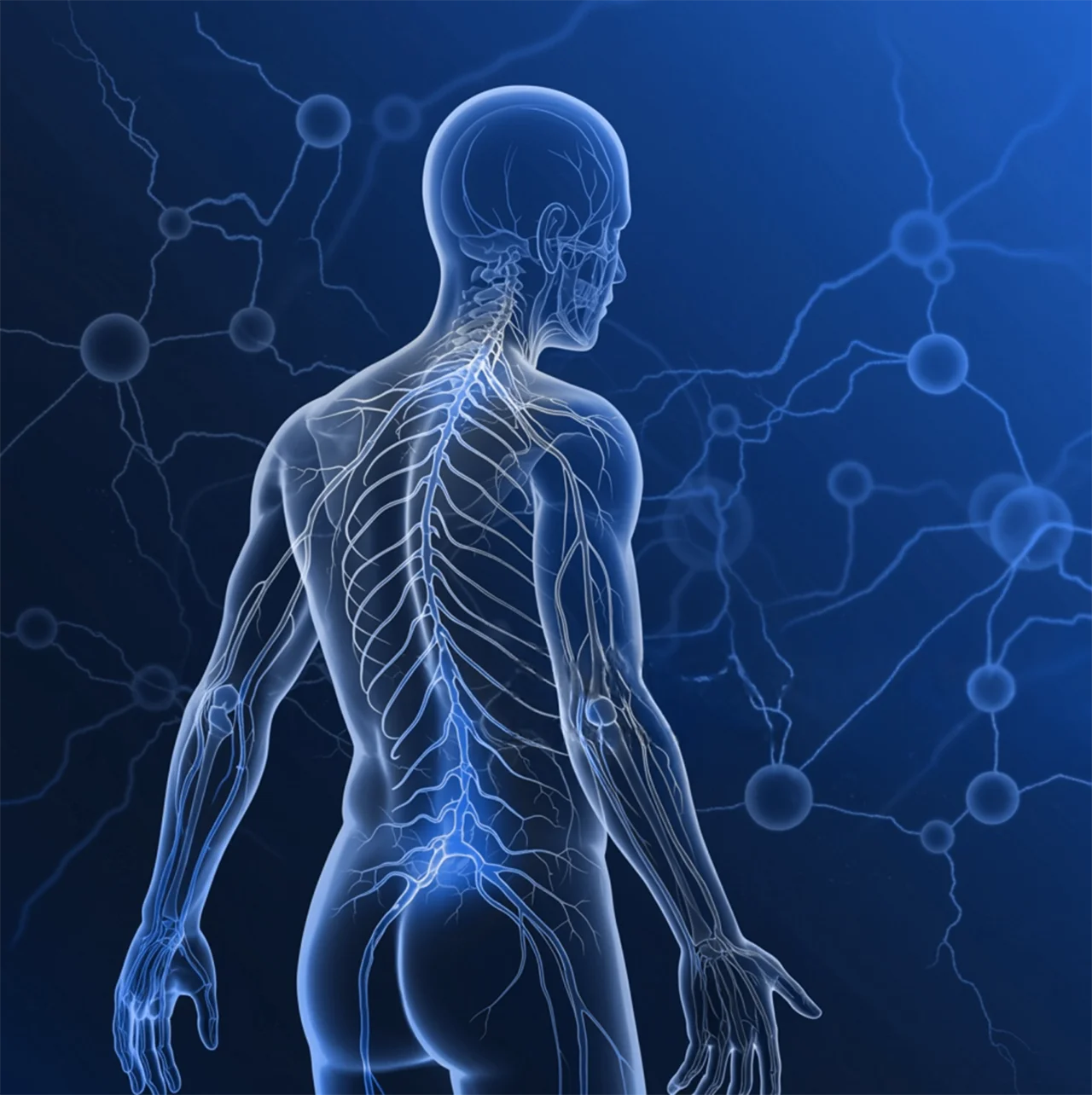
To understand this condition, we must first visualize the nervous system as a highly sophisticated electrical communication network. Neuropathy is the medical term used to describe damage to one or several nerves, which alters the way they transmit signals. When a nerve becomes injured, it may begin sending pain signals even when no real stimulus is present, or it may stop sending signals altogether, leading to a loss of sensation.
Difference Between the Central and Peripheral Nervous System
Distinguishing between these affected areas is essential to understand the scope of the disease. The central nervous system consists exclusively of the brain and spinal cord, functioning as the command center. On the other hand, the peripheral nervous system is defined as the extensive network of nerves that connects that command center to the organs, skin, and limbs. Most neuropathies affect this peripheral system, disrupting the connection between the central core and the body’s extremities.
How Does Nerve Damage Occur?
Nerve damage can stem from various sources. Nerves are protected by a coating called myelin, which acts much like the insulation on a copper wire. If this layer degrades or the nerve fiber itself (the axon) breaks, the electrical signal leaks or becomes blocked. This can occur due to physical compression, lack of blood flow that "suffocates" the nerve, or internal chemical processes—such as high blood sugar toxicity—that slowly break down nerve fibers.
Common Types of Neuropathy
Not all nerve conditions are the same; they are classified based on how many nerves are involved and where they are located in the body. This distinction is vital for determining the prognosis and the best therapeutic path forward.
Peripheral Neuropathy: The Most Frequent Form
Peripheral neuropathy is the most common diagnosis, focusing on nerves located outside the brain and spinal cord. It typically begins in the parts of the body furthest from the center, such as the toes and hands, gradually spreading upward. It is a disorder in which the nerves responsible for transmitting sensations and movement are compromised, presenting in varied ways depending on the underlying cause.
Diabetic Neuropathy: The Link Between Glucose and Nerve Damage
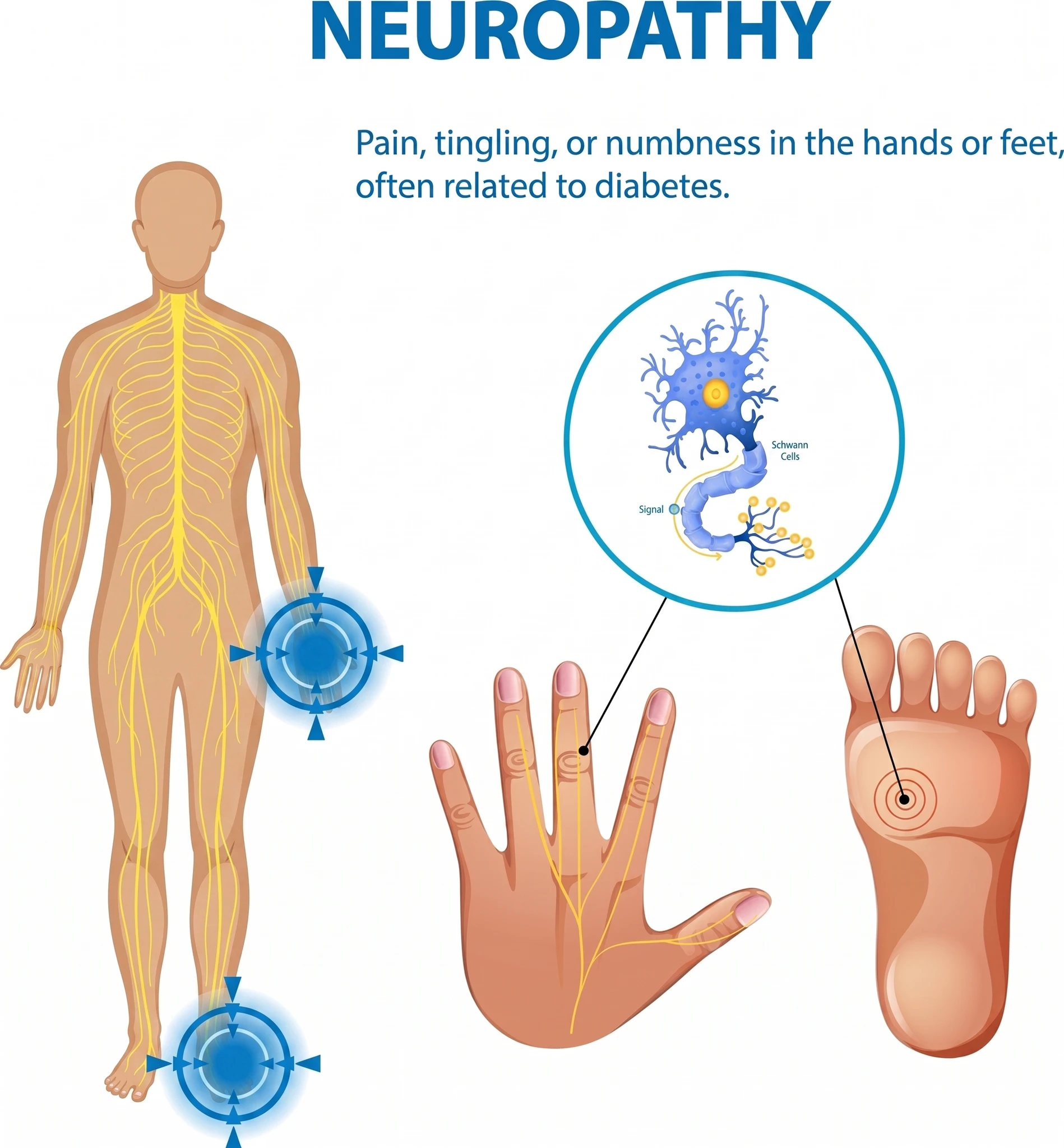
To understand what diabetic neuropathy is, we must look at how metabolism affects cellular structure. It is a serious and common complication of poorly managed diabetes. High blood sugar levels (hyperglycemia) act as a corrosive agent to the tiny blood vessels that nourish the nerves. Deprived of oxygen and nutrients, the nerve dies. It is estimated that up to 50% of people with diabetes will develop this condition, making the management of blood sugar levels the primary defense for prevention.
Autonomic Neuropathy: When Internal Organs Are Affected
Autonomic neuropathy occurs in the nerves that control involuntary body functions. The human body carries out hundreds of tasks without conscious thought—such as digesting food, regulating heartbeats, or controlling blood pressure. When these nerves suffer damage, patients may experience dizziness upon standing, bladder dysfunction, or irregular sweating, significantly disrupting the body’s internal stability.
Focal Neuropathy or Mononeuropathy: Damage to a Single Nerve
Unlike forms that affect the entire body, focal neuropathy is restricted to a single nerve or a small nerve group in a specific area. A common example is carpal tunnel syndrome. It typically results from direct trauma, repetitive strain injury, or prolonged pressure, with symptoms strictly confined to the region served by that specific nerve.
Neuropathy Symptoms: How to Identify the Warning Signs
Symptoms are the body’s warning system. Because nerves have different functions (sensory, motor, or autonomic), these warning signs can be incredibly diverse and, at times, confusing for the patient.
Tingling Sensations and Numbness
Many patients describe the onset of the condition as a "pins and needles" sensation or as if they were wearing invisible gloves and socks that dull their sense of touch. This numbness can progress to a complete loss of sensation, which is dangerous because patients could injure themselves (for instance, sustaining a burn or a blister) without noticing, increasing the risk of infection.
Neuropathic Pain: Characteristics of Sharp or Burning Pain
Neuropathic pain differs from the discomfort caused by a bump or a common wound. It is frequently described as a burning, searing, or electric shock sensation. A telltale sign is allodynia, a condition where stimuli that should not cause pain (such as the touch of bedsheets or cold air) become unbearable. Patients may also experience hyperalgesia, an exaggerated pain response to a mildly painful stimulus.
Muscle Weakness and Loss of Coordination
When motor nerves are involved, the brain sends the command to move, but the muscle fails to receive it properly. This results in weakness, loss of muscle mass (atrophy), and difficulty performing fine motor tasks, such as buttoning a shirt. A lack of sensory feedback from the feet can also cause balance issues and frequent falls.
Primary Causes and Risk Factors
Identifying the root cause is often the biggest challenge for specialists, as neuropathy is not a standalone disease, but rather a symptom of an underlying condition.
- Metabolic conditions: Diabetes is the primary cause, but kidney and liver issues that allow toxins to build up in the blood also play a role.
- Vitamin deficiencies: Nerves require optimal levels of B-complex vitamins (especially B1, B6, and B12) to maintain their protective coating.
- Psychological factors: Symptoms of stress-induced neuropathy—also referred to as psychosomatic neuropathy—can occur. Although there may be no initial structural damage, extreme emotional stress can trigger real nerve signals of pain or numbness.
- Toxicity: Prolonged exposure to alcohol, heavy metals, or certain medical treatments (such as chemotherapy) can cause irreversible damage to nerve fibers.
What Diagnostic Tests Do Specialists Perform?
The journey toward relief begins with an accurate diagnosis. Physicians typically start with a clinical neurological examination to evaluate reflexes, muscle strength, and sensitivity to various textures and temperatures.
Following the initial exam, electrodiagnostic studies may be used:
- Electromyography (EMG): Measures electrical activity in the muscles.
- Nerve Conduction Velocity (NCV) tests: Evaluate how fast electrical signals travel along the nerves.
If results are inconclusive, blood tests may be ordered to check glucose levels or vitamin deficiencies. In specific cases, imaging tests like MRIs are used to rule out nerve compression caused by herniated discs or tumors.
Treatment Options for Neuropathy
While some nerve damage is permanent, many symptoms can be managed or even reversed if treated early.
Pharmacological Management for Pain
Patients often ask what medication is effective for diabetic or peripheral neuropathy. Pharmacological treatment rarely relies on standard over-the-counter painkillers (like acetaminophen); instead, it utilizes medications that modulate nervous system responses—such as certain anticonvulsants or antidepressants designed to "calm" hyperactive nerves. These medications must always be prescribed by a physician, as they require precise dosage adjustments.
Physical Therapy and Lifestyle Changes
Physical rehabilitation is key to maintaining mobility and preventing muscle atrophy. Additionally, adopting healthy habits—such as avoiding smoking (which restricts blood flow to the nerves) and exercising regularly—helps improve nerve conduction. In cases of diabetic neuropathy, strict blood sugar control remains the only proven method to halt disease progression.
Need Specialized Care?
The Neurological Center at ABC Medical Center is ready to assist you. Contact us today!
Frequently Asked Questions
Fuentes: MedlinePlus, Cancer.org, Cigna