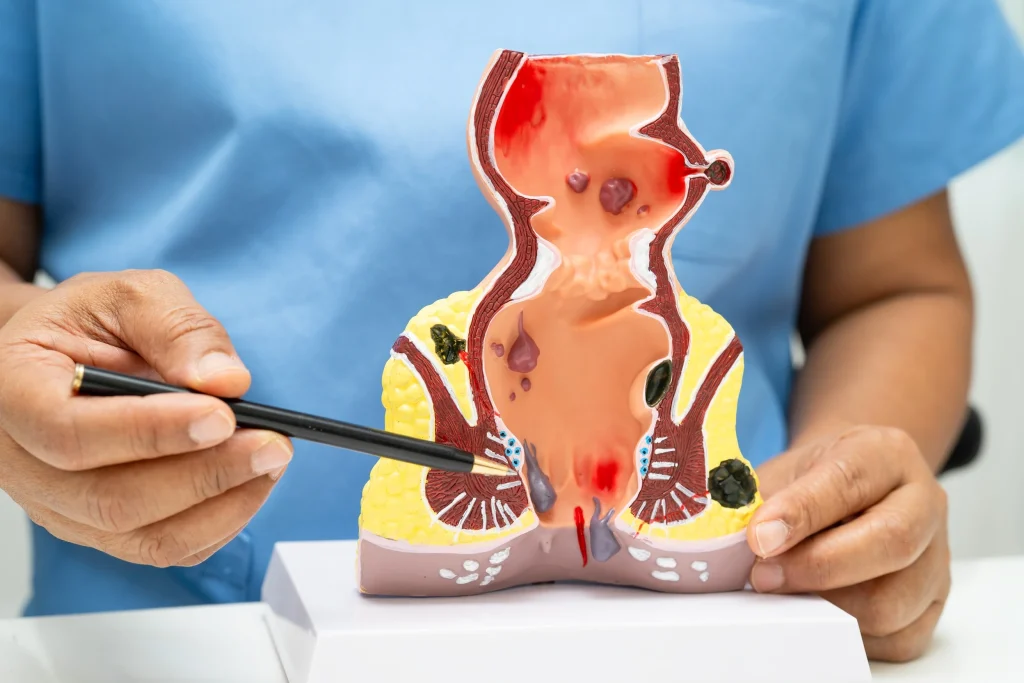
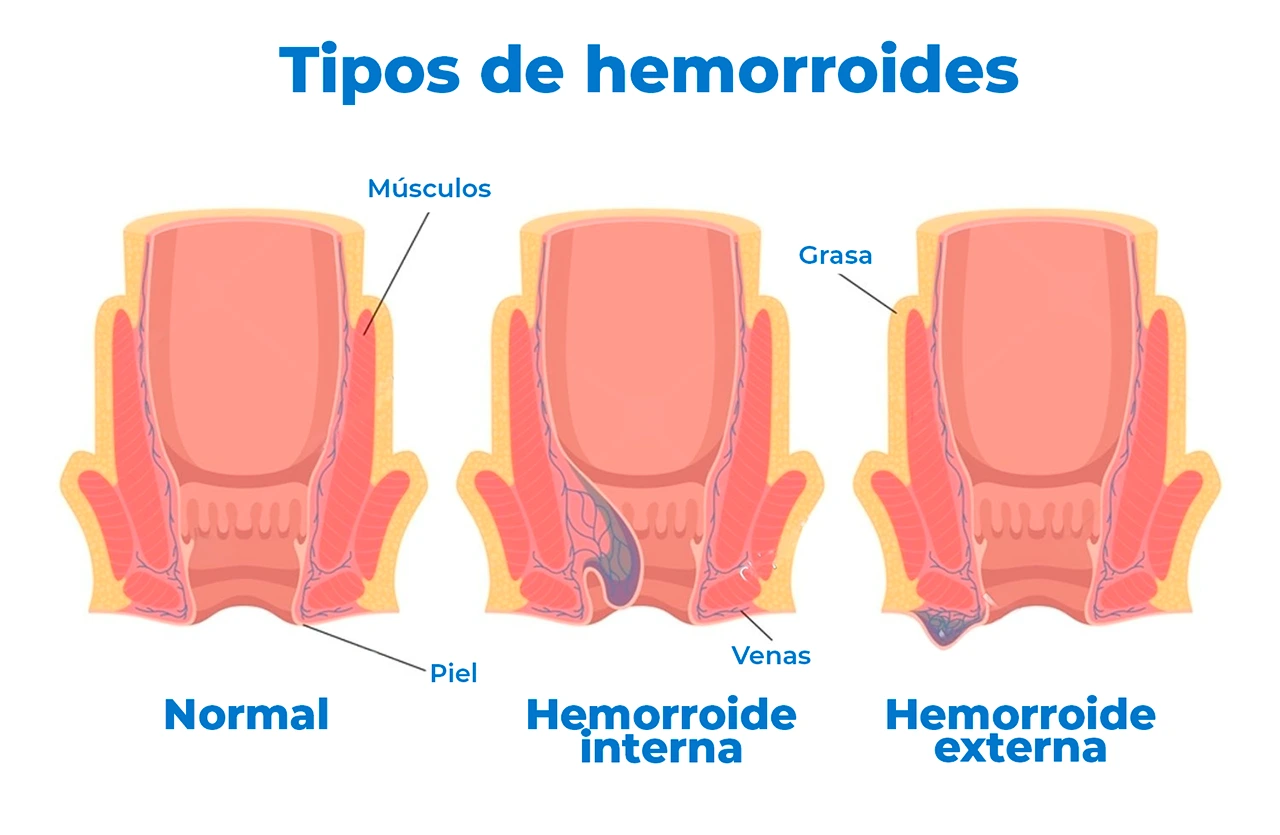
Hemorrhoids, commonly known as piles, are one of the most common conditions affecting adults worldwide, presenting as swollen veins in the lower rectum or anus. Understanding how to treat hemorrhoids properly and safely requires knowing that this condition can present in two forms: internal hemorrhoids, which develop inside the rectum, and external hemorrhoids, which form under the skin around the anus. This condition is similar to varicose veins in the legs, causing symptoms ranging from mild itching to intense pain that interferes with daily activities.
Addressing this condition promptly is essential, not only to relieve physical discomfort, but to prevent long-term complications that could require invasive surgical intervention. Ignoring hemorrhoid symptoms, such as rectal bleeding or persistent swelling, can lead to more serious health issues, such as anemia from blood loss or strangulation of hemorrhoidal tissue. Learning to recognize hemorrhoid symptoms and seeking guidance from a specialist, a proctologist, who typically handles these conditions, allows for conservative treatments that halt the condition’s progression and dramatically improve the patient’s quality of life.
Today, hemorrhoid management has evolved from limited home remedies to a multidisciplinary approach that combines cutting-edge medical technology with precise lifestyle adjustments. The future of treatment is moving toward minimally invasive procedures and more personalized diagnostics aimed at achieving a lasting cure, reducing recurrence rates through preventive medicine and genetic analysis. Today more than ever, the combination of nutritional education and advanced pharmacological therapies offers real hope for eliminating the stigma and pain associated with this condition.
Main Causes of Hemorrhoids and How to Prevent Them
To understand what causes hemorrhoids, it’s important to look at intra-abdominal pressure and how it affects blood flow in the rectal area. The causes are multifactorial and are often linked to everyday habits that, if changed, could help prevent both external and internal hemorrhoids.
The Impact of Straining and Digestion
A key contributing factor is excessive straining during bowel movements. When someone strains for a prolonged period, pressure on the rectal veins increases dramatically, making them more prone to swelling.
Chronic constipation is the main culprit, since it forces the body to work under a level of strain the veins aren’t designed to withstand continuously. Chronic diarrhea, though less common, can also irritate and weaken the supporting tissue in the anal canal.
Biological Factors and Genetic Predisposition
Aging plays a significant role, as the tissue supporting the veins in the rectum and anus can weaken and stretch over time, losing its natural elasticity. Genetics shouldn’t be overlooked either, some people are born with inherently weaker vein walls, making them more prone to developing hemorrhoids even with healthy habits. In these cases, prevention needs to be even more consistent to help avoid developing external hemorrhoids.
Lifestyle, Weight, and Pregnancy
A sedentary lifestyle and obesity are two sides of the same coin when it comes to rectal health. Lack of physical activity slows intestinal transit, while excess body weight places constant pressure on the pelvis. In women, pregnancy is a temporary but significant risk factor; the growing uterus displaces internal organs and puts pressure on pelvic veins, compounded by hormonal changes that relax tissue. Understanding these causes is the first step toward addressing hemorrhoids at their root.
Dietary Changes to Ease Pain During Bowel Movements
Diet is the cornerstone for anyone looking to naturally treat both internal and external hemorrhoids. Stool consistency directly determines the level of friction and irritation hemorrhoidal tissue experiences during a bowel movement.
The Power of Fiber and Hydration
A fiber-rich diet is probably the most effective tool for softening stool. Eating fruits, vegetables, legumes, and whole grains increases stool volume and softens its consistency, reducing the need to strain. However, fiber alone isn’t enough, it needs to be paired with adequate water intake. Without enough fluid, fiber can harden stool, producing the opposite effect.
Foods to Avoid
If you’re experiencing acute inflammation, cut back on irritating foods like spicy dishes, alcohol, and excess caffeine. These can worsen hemorrhoid symptoms, increasing burning and itching in the affected area. Keeping a food diary can help you identify which foods trigger flare-ups, allowing better control over digestive health.
Healthy Habits at the Table and in the Bathroom
Beyond “what” we eat, “how” and “when” also matter. Sticking to regular mealtimes helps regulate intestinal transit. Similarly, don’t delay the urge to have a bowel movement, holding it in causes the colon to absorb more water from the stool, hardening it and making it harder to pass later. This simple but essential tip helps prevent hemorrhoids.
Medical Treatments: From Topical Creams to Outpatient Procedures
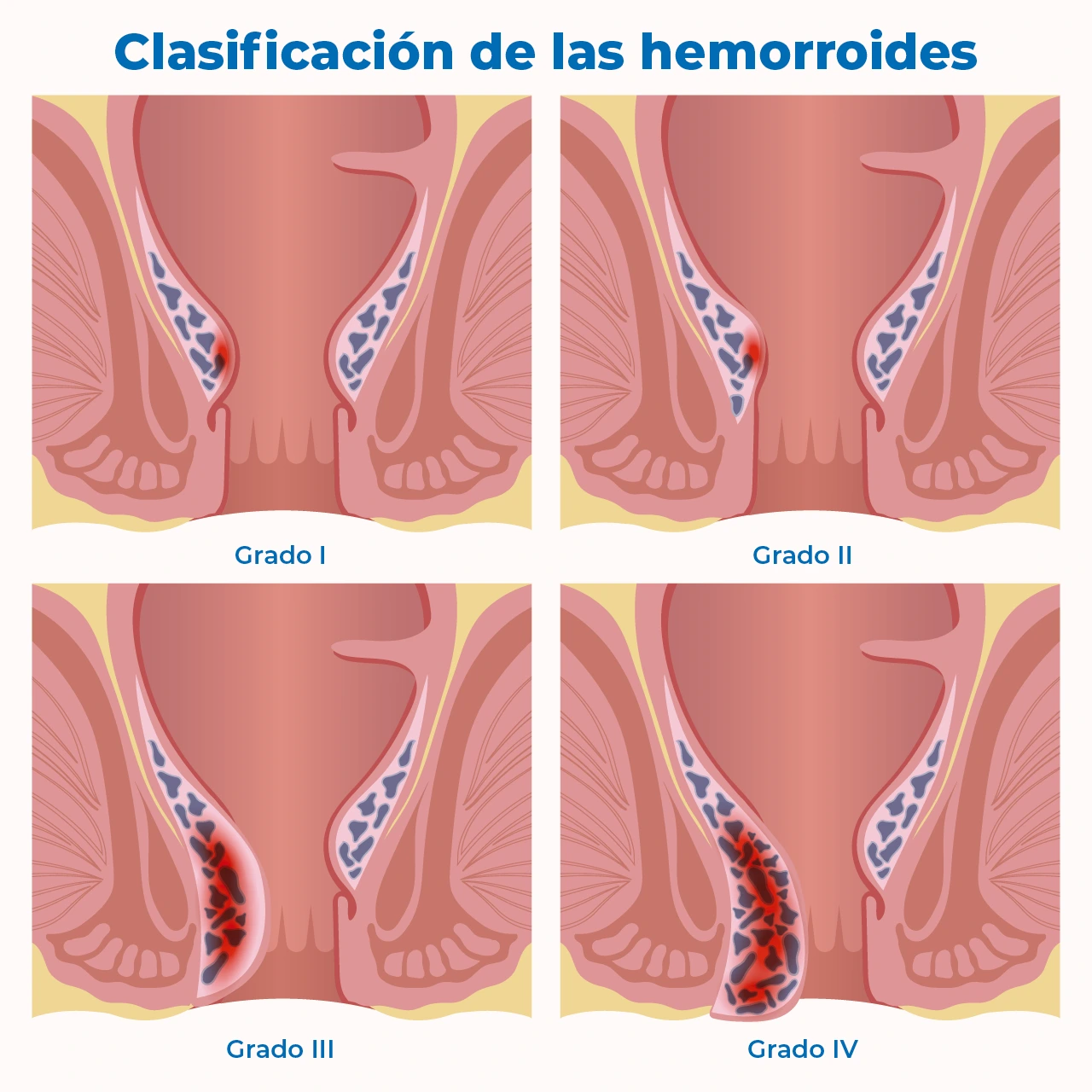
When lifestyle changes aren’t enough to relieve the pain, modern medicine offers a wide range of options for quickly treating hemorrhoids. The chosen treatment depends on the severity of the condition, which doctors classify from Grade I to IV.
- Grade I: hemorrhoids remain inside the rectum and don’t protrude through the anus. They’re usually painless, though they may cause mild bleeding during bowel movements.
- Grade II: these hemorrhoids protrude from the anus (prolapse) during straining but return to their original position on their own once the strain ends.
- Grade III: at this stage, hemorrhoids protrude during bowel movements and don’t return on their own; the patient must manually push them back into the anal canal.
- Grade IV: the most severe stage, where hemorrhoids remain permanently outside the anus (constant prolapse) and can’t be manually pushed back in, causing significant discomfort and requiring immediate medical attention.
Topical and Pharmacological Solutions
For mild to moderate cases, a hemorrhoid cream or ointment with anti-inflammatory and anesthetic properties can provide immediate relief. These products often contain ingredients like hydrocortisone or lidocaine, which reduce swelling and soothe itching. Use these medications under professional guidance, since prolonged use can thin the delicate skin in the anal area.
- Creams and ointments: ideal for relieving external symptoms.
- Suppositories: specifically designed to treat internal hemorrhoids.
- Sitz baths: soaking the area in warm water for 10 to 15 minutes helps relax the sphincter and improve circulation.
Minimally Invasive Procedures
If hemorrhoids persist or bleed frequently, a proctologist may recommend outpatient procedures that don’t require extended hospitalization. Rubber band ligation is a common technique in which a small band is placed at the base of an internal hemorrhoid to cut off its blood supply, causing it to fall off within a few days. Other methods include infrared coagulation or sclerotherapy, which aim to scar the tissue to reduce its size.
Definitive Surgical Interventions
In the most severe cases, where hemorrhoids have prolapsed and can’t be manually pushed back in, a hemorrhoidectomy is the definitive treatment option. Although recovery takes longer, it’s the most direct path for those seeking a permanent solution. This surgery removes the excess tissue causing bleeding and pain, offering a long-term solution for patients with chronic cases that haven’t responded to other treatments.
At ABC Medical Center’s Internal Medicine area, we can provide you with specialized care. Contact us!
Frequently Asked Questions
- How can hemorrhoids be treated quickly?
Fast relief comes from combining an anesthetic hemorrhoid ointment, warm sitz baths, and immediately increasing fiber intake. These steps reduce inflammation and pain within a matter of days.
- How can I relieve hemorrhoid pain at night?
For better sleep, it’s recommended to apply a hemorrhoid cream before bed, wear loose cotton underwear, and sleep on your side to reduce pressure on the anal area.
- How long do hemorrhoids typically last?
An acute episode usually lasts between 7 and 10 days with proper treatment. However, if underlying causes like constipation aren’t addressed, hemorrhoids can become chronic.
- What’s the maximum amount of time a hemorrhoid can last?
If left untreated, hemorrhoids can persist for months or years, growing larger and potentially leading to complications like thrombosis (blood clots) or permanent prolapse.
- What happens if a hemorrhoid doesn’t go away?
If symptoms persist for more than two weeks despite home care, see a proctologist. You may need a medical procedure to prevent complications such as infection or severe bleeding.
- How can I tell if my hemorrhoid is healing?
You’ll notice a gradual decrease in pain, bleeding stopping during bowel movements, and a reduction in the size of external lumps. No itching is also a good sign of recovery.
- How can hemorrhoids be cured permanently?
The key to a lasting cure is consistent prevention: a high-fiber diet, regular exercise, proper hydration, and, when necessary, corrective surgery to permanently remove the damaged tissue.