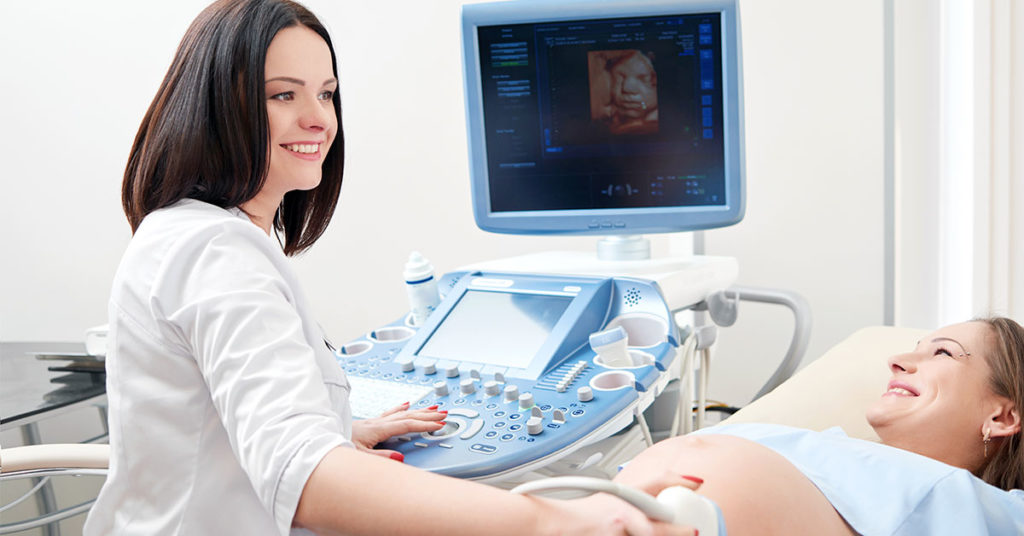
Proper prenatal care can make all the difference between a healthy pregnancy and a high-risk one.
What Does Prenatal Mean?
The term "prenatal" refers to the period from conception to the birth of the baby. These stages are crucial not only for fetal development but also for the mother’s health due to the numerous physical, hormonal, and emotional changes she experiences.
Throughout the prenatal period, receiving proper medical follow-up—known as prenatal care—is essential to ensure that the pregnancy progresses safely while anticipating or preventing potential complications.
Prenatal Consultation
The importance of keeping up with regular prenatal checkups, even in a healthy pregnancy, lies in ensuring that it progresses in a way that maintains optimal health for both mother and baby. This is the best way to guarantee that your baby arrives under the best possible conditions. Furthermore, it provides both you and your gynecologist with vital information regarding your development, which in turn helps prevent a wide range of complications.
Receiving regular care starting from a very early stage allows doctors to identify patients with higher obstetric and perinatal risks and promotes healthy behaviors during pregnancy.
Some studies even suggest that infants born to mothers without prenatal care are three times more likely to have low birth weight and other health conditions. Beyond medical care, prenatal care often includes education, emotional support, and childbirth preparation.
Objectives of Prenatal Care:
- Closely monitor fetal growth throughout the pregnancy.
- Identify warning signs that may indicate a high-risk pregnancy.
- Adjust the nutritional needs of both mother and fetus throughout pregnancy and postpartum.
- Design an activity plan tailored to each trimester to benefit both mother and baby, aiming for a smooth delivery.
- Reduce the risk of complications such as preterm birth.
The first trimester is critical, as it is during this phase that key decisions are made while assessing the mother’s health status to ensure proper baby development.
Once in the second trimester, care and diagnostic testing focus on screening for congenital conditions, determining the baby’s sex, and evaluating overall health to rule out or identify potential risk factors.
During the third and final trimester, the main focus is on the overall health of both mother and baby, with an emphasis on newborn pediatric care.
Prenatal Testing
Prenatal testing includes medical evaluations, laboratory analyses, imaging studies, and specialized tests that may vary depending on the stage of pregnancy and how it is progressing.
Among the most common tests are blood tests, urinalysis, infection screenings, Rh factor determination, anemia screening, and testing for vertical transmission diseases (passed from mother to child) such as syphilis, HIV, or toxoplasmosis.
Beyond laboratory tests, one of the cornerstones of prenatal care is the obstetric ultrasound, which allows physicians to observe fetal growth, estimate gestational age, identify potential malformations, and evaluate placental position.
When a pregnancy is considered high-risk, additional procedures may be ordered, such as Doppler ultrasound, amniocentesis, or non-invasive prenatal testing (NIPT).
The purpose of prenatal care is not only diagnostic but also preventive, enabling the medical team to make informed decisions to ensure, as much as possible, a healthy pregnancy and a safe delivery.
At the Obstetrics Center of Centro Médico ABC, we provide specialized care. Contact us today!
Fuentes:
Elsevier, IMSS, Mayo Clinic