
____
Urology is the medical specialty dedicated to the study, diagnosis, and treatment of conditions affecting the urinary tract in both men and women, as well as the male reproductive system. Many people wonder exactly what a urologist is and what they do, as there is a common misconception that this specialist only treats men. In reality, a urologist’s scope of practice is extremely broad, ranging from monitoring the kidneys and bladder to performing complex, minimally invasive surgical procedures that ensure a better quality of life for patients of all ages.
Addressing urological health is essential because diseases of the urinary tract are often progressive and, in many cases, silent in their early stages. Understanding what a urologist treats allows for the timely detection of conditions ranging from recurrent infections to malignant tumors. It is not just about visiting the doctor during an emergency or acute pain, but about understanding that prevention and regular checkups are the best tools to avoid chronic complications that can permanently compromise kidney function or sexual health.
Today, the present and future of urology are defined by the integration of robotic technology and precision medicine. The evolution of urological surgery toward less traumatic methods allows for faster recoveries and more accurate results. We are transitioning from reactive to proactive medicine, where the use of biomarkers and high-definition diagnostic imaging makes it easier for a urologist near me or a urologist in Mexico City to offer personalized solutions focused not only on curing disease, but also on preserving the body’s full functionality.
Key Symptoms Requiring Evaluation by a Urology Specialist
Identifying when the body sends warning signs is the first step toward timely care. Many people postpone seeing a urologist for men or women due to embarrassment or lack of awareness, but there are clear symptoms that should never be ignored.
Urinary Changes
One of the most frequent reasons for a consultation is a change in urination habits. This includes an urgent need to urinate, known as urinary urgency, or an increase in frequency, especially at night (nocturia). Likewise, experiencing pain or burning during urination (dysuria) is a clear sign that something in the urinary tract requires evaluation. These symptoms can indicate anything from a simple infection to more complex prostate or bladder conditions.
Lower Back and Abdominal Pain
Pain originating in the kidney area—often described as a sharp pain in the lower back radiating toward the groin—is frequently related to kidney stones or kidney infections (pyelonephritis). If this pain is accompanied by fever or nausea, consulting a urologist immediately is crucial to avoid permanent damage to kidney function.
Changes in Urine Appearance
The presence of blood in the urine (hematuria) is a symptom that must always be evaluated by a healthcare professional. While it can sometimes be caused by an infection, it is also one of the early signs of genitourinary tumors. Similarly, excessively cloudy or foul-smelling urine may indicate the presence of bacteria or crystals that could lead to stones.
Advanced Diagnostic Tests: From Clinical Examination to Urological Imaging
Understanding what a urologist does during an initial visit helps reduce patient anxiety. The diagnostic process combines a detailed medical history with cutting-edge technology.
Initial Physical Evaluation
During the first consultation, the physician will establish your medical history, asking about family history and lifestyle habits. For men, a physical examination includes checking the penis and testicles. Depending on symptoms and age, a digital rectal exam may be performed, which is vital for evaluating the texture and size of the prostate. This step is essential to differentiate between benign enlargement and potential cancer risks.
Laboratory Analysis and Biomarkers
To complement the examination, the specialist typically orders a urinalysis and urine culture to rule out infections. For men, a Prostate-Specific Antigen (PSA) blood test is an essential screening tool. These analyses provide the doctor with a clear chemical overview of how your kidneys and excretory system are functioning.
Imaging and Endoscopic Studies
Modern urology relies on imaging studies such as renal and prostate ultrasound, computed tomography (CT) scans, and magnetic resonance imaging (MRI) to closely examine internal anatomy. In specific cases, a cystoscopy is performed—inserting a small camera through the urethra to directly view the inside of the bladder. Performed under proper protocols, these procedures are painless and provide diagnostic certainty to guide pharmacological or surgical treatment.
Kidney and Urinary Tract Health
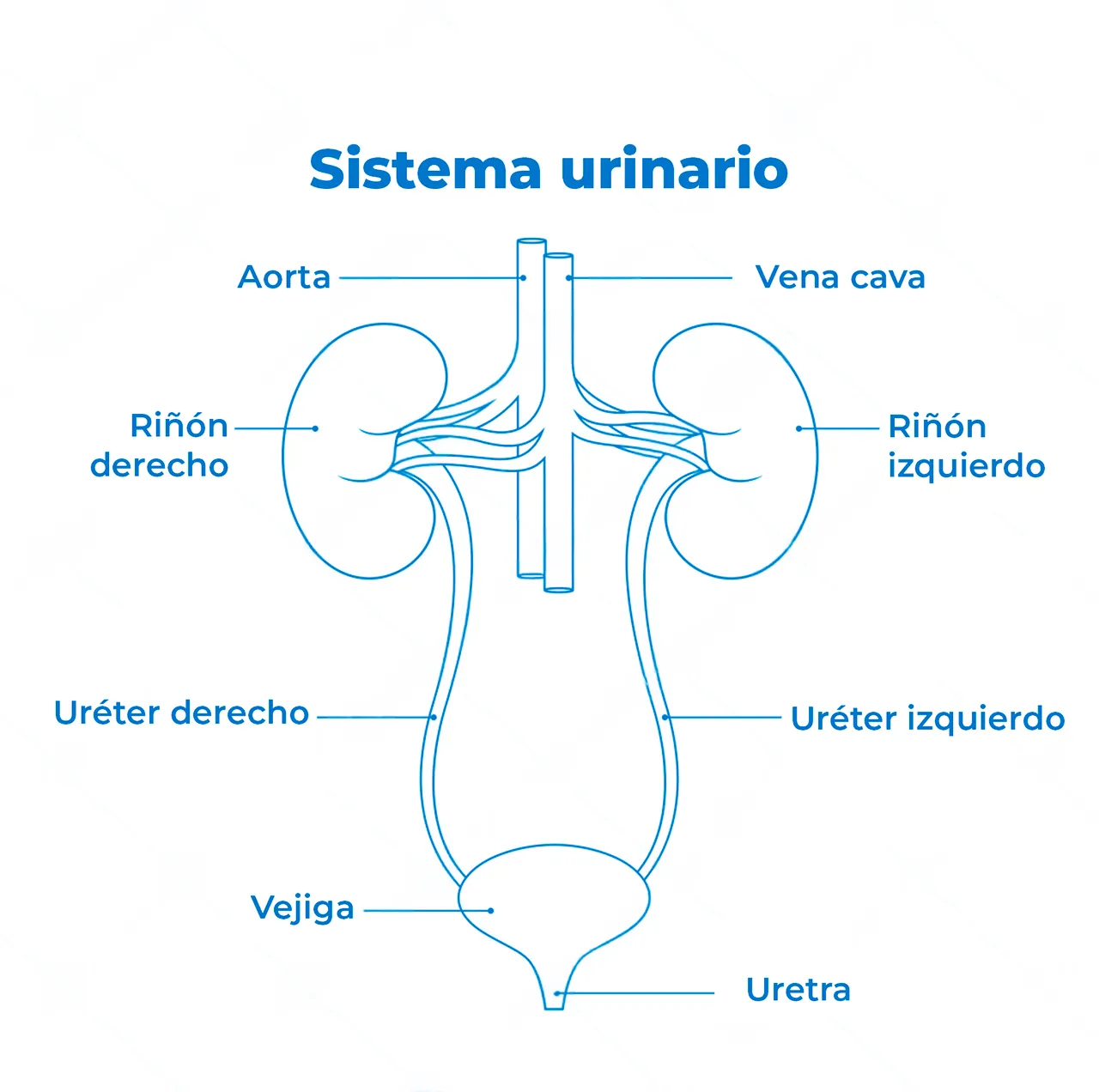
The urinary system is responsible for maintaining the blood’s alkalinity and chemical balance. A urologist, who is an expert in this field, works to preserve this vital balance in both adults and children—the latter through the subspecialty of pediatric urology.
Management of Urinary Stones
Urinary stones, or "kidney stones," are hard deposits of minerals and salts that form inside the kidneys. Treatment has evolved from major surgeries to minimally invasive laser procedures. The goal is not only to remove the stone, but also to perform a metabolic evaluation to understand why they form and prevent recurrence in the future.
Incontinence Control and Bladder Dysfunctions
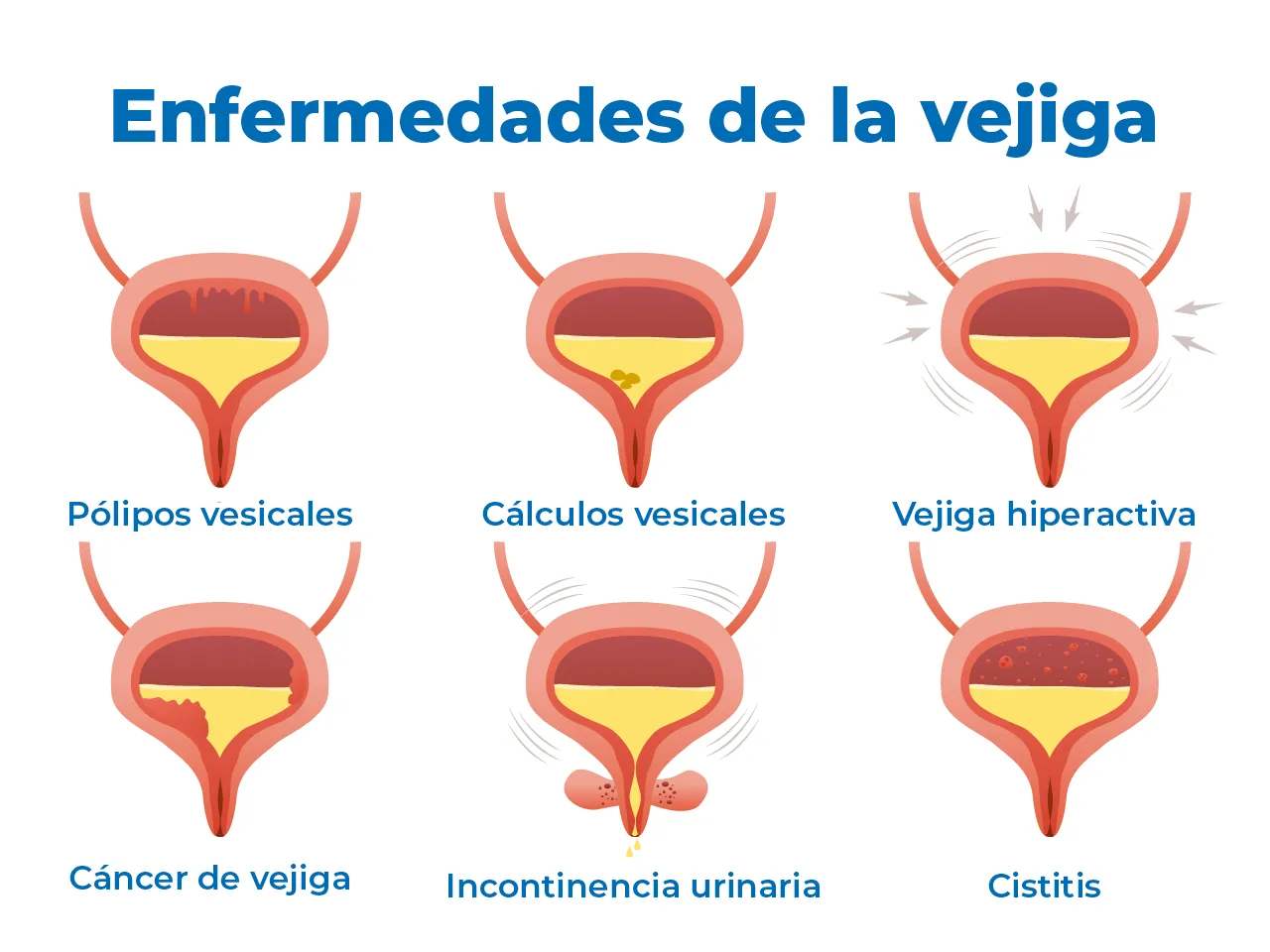
The bladder can experience issues with either storage or emptying. Urinary incontinence—whether stress- or urge-related—drastically affects a person’s social life. Today’s approach ranges from pelvic floor physical therapy to advanced pharmacological treatments and neuromodulation, giving patients back control over their bodies.
Female Urology: Clinical Approach to Urinary Conditions in Women
It is a common myth that a urologist is simply a "gynecologist for men." In reality, women also need this medical specialty to treat specific conditions that do not always fall under the scope of gynecology.
Recurrent Urinary Tract Infections and Prolapse
Women have a shorter urethra, which makes it easier for bacteria to travel upward and causes infections to occur more frequently. When these infections become chronic, a urologist must intervene to identify structural or functional abnormalities. Similarly, pelvic organ prolapse (when the bladder drops from its normal position) is a condition treated in urology to restore urinary function and physical comfort.
Urological Cancer in Women
Although less frequently discussed, bladder and kidney cancers affect a significant number of women. Risk factors such as smoking directly impact these organs. The urology specialist is responsible for performing oncological surgeries and follow-up treatments to ensure disease remission.
What Conditions Does Urology Treat?
For greater clarity, we can categorize these conditions by the population groups they most frequently affect:
Affecting both sexes:
- Urinary tract infections (cystitis, pyelonephritis).
- Kidney, ureteral, or bladder stones (lithiasis).
- Kidney, adrenal gland, and bladder tumors.
- Urinary incontinence and overactive bladder.
Specific to men:
- Benign prostatic hyperplasia (enlarged prostate).
- Prostate, testicular, and penile cancer.
- Erectile dysfunction and premature ejaculation.
- Male infertility and varicocele.
- Phimosis and scrotal conditions.
At the Internal Medicine Department of Centro Médico ABC, we provide specialized care. If you are looking for a urologist near me with the backing of cutting-edge technology and compassionate care, reach out to us and get answers to your questions about what a urologist is and what they do. Contact us today to schedule your appointment!
The distribution of the content in this material is strictly for informational purposes and does not, under any circumstances or conditions, replace a consultation with a medical specialist. Therefore, Centro Médico ABC is not responsible for any alternative use you may give it. Should you require further information regarding this topic, we suggest contacting your trusted medical specialist directly.
Frequently Asked Questions
Fuentes:
Mayo Clinic, Secretaría de Salud, Cigna