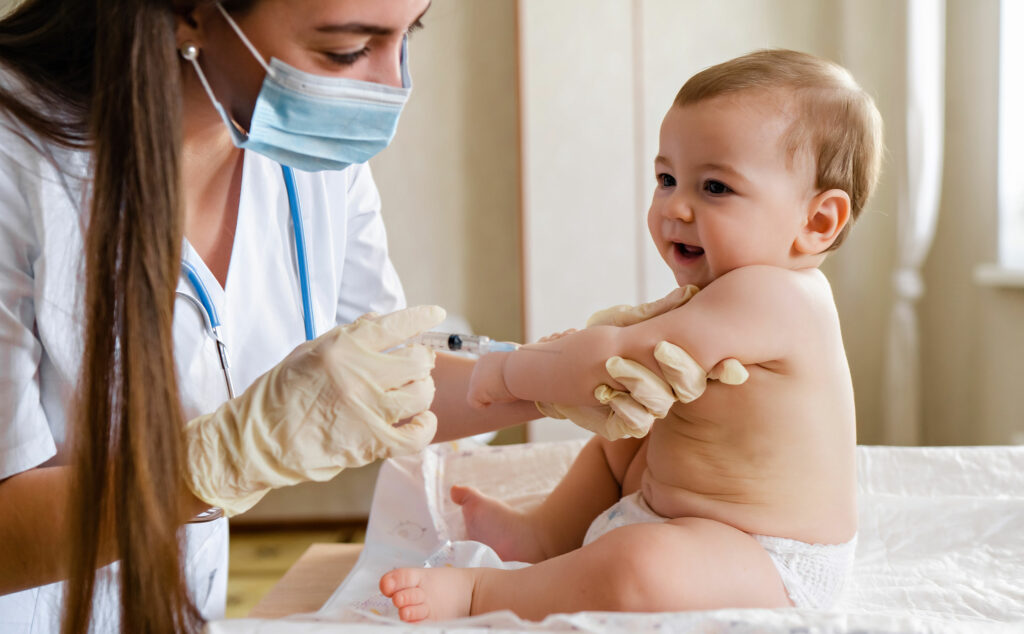
The National Health Card (Cartilla Nacional de Salud), commonly referred to as the vaccination record or immunization card, is an essential personal document in Mexico. It serves to track vaccinations, preventive care actions, screenings, appointments, and other health measures tailored to an individual’s age group.
While many associate it strictly with childhood immunizations, its scope is much broader. This official tool provides systematic monitoring of vaccination schedules and other fundamental preventive measures for self-care, simplifying health management for healthcare personnel, patients, and their families.
What Is the Vaccination Record For?
The main objective of the National Health Card is to promote disease prevention and timely health monitoring.
Its importance lies in functioning as a wellness logbook covering key healthcare areas:
- Record of Administered Vaccines: Provides an exact record of the biological products a person has received throughout their life.
- Tracking Pending Doses or Boosters: Helps identify missing doses needed to achieve full immunological protection.
- Vaccination Schedule Management: Serves as a guide to know which vaccines are required at each life stage.
- Health Promotion and Disease Prevention: Contains dedicated sections offering guidance on nutrition, deworming, and addiction prevention.
- Record of Appointments and Screenings: Streamlines the organization of upcoming medical checkups and timely screening tests (such as blood glucose or blood pressure monitoring).
- Comprehensive Guidance: Acts as a clear communication channel and official log for medical staff, patients, and family members.
National Health Card vs. Vaccination Record: What Is the Difference?
It is common to hear terms like national vaccination card, vaccination record, or immunization card, but what is the official definition of the National Health Card?
The main difference is that the National Health Card (Cartilla Nacional de Salud) is the official name of the comprehensive document issued by health authorities in Mexico. Vaccination is one of its most prominent sections, but not its only purpose. In addition to logging immunizations, this document integrates complete programs for nutrition, physical activity, reproductive health, and early disease detection—categorized according to the biological needs of each life stage.
Age-Based Vaccination Cards in Mexico
To provide appropriate follow-up, Mexico’s age-based health cards are divided into five major groups. This ensures preventive actions are tailored precisely to what the body requires at every stage:
| Card Type | Age or Target Group | Purpose |
|---|---|---|
| Children | 0 to 9 years | Logs vaccines, monitors growth and nutrition, and guides essential childhood preventive measures (including newborn care). Understanding the childhood vaccination schedule is vital during this critical development stage. |
| Adolescents | 10 to 19 years | Tracks booster vaccine schedules, provides guidance on sexual health and nutrition, aids in addiction prevention, and supports timely screenings. |
| Women | 20 to 59 years | Logs vaccinations, general preventive measures, reproductive health care, timely detection of chronic or women-specific conditions, and appointment scheduling. |
| Men | 20 to 59 years | Tracks vaccines, monitors risk factor prevention, aids adult health screenings, and supports wellness promotion activities. |
| Older Adults | 60 years and older | Logs vaccines specific to older age, early disease screenings, chronic disease prevention, and close monitoring of overall health. |
What Information Does the Vaccination Record Contain?
To understand what is included in a vaccination record, it helps to know its standardized sections. The main data fields include:
- Identification Data: Holder’s full name, CURP (Single Population Registry Code), photograph, date of birth, sex, and home address.
- Vaccination Section: A detailed ledger recording administered vaccines, dates of administration, doses received, and corresponding booster shots.
- Preventive and Screening Actions: Logs for weight, height, body mass index (BMI), laboratory tests, and age-appropriate screenings.
- Nutrition and Growth Information: Guidelines and parameters to maintain proper nutrition and optimal development.
- Medical Appointments and Notes: Schedule management for upcoming appointments and relevant annotations by healthcare personnel.
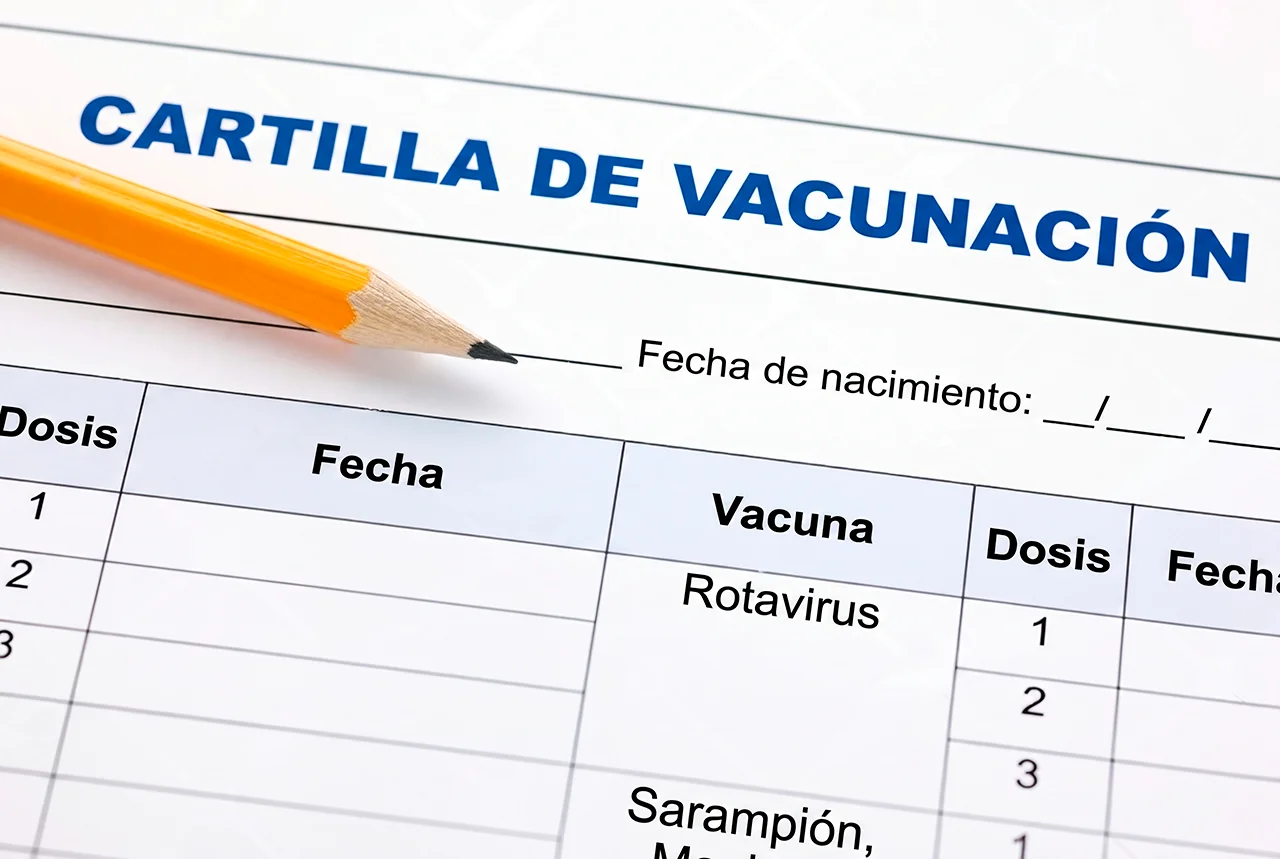
What Is a Vaccination Schedule and How Is It Logged?
A vaccination schedule is a structured plan designed by public health authorities outlining which vaccines an individual needs based on age, medical history, and specific health conditions (such as pregnancy or chronic illnesses).
The card acts as the physical ledger tracking which vaccines have been administered and which may be pending or due for completion. The official health schedule in Mexico includes essential biologicals such as:
- Acellular pentavalent vaccine (replaced and supplemented in recent years within combined schedules such as the hexavalent vaccine).
- Hepatitis B vaccine.
- Rotavirus vaccine.
- Pneumococcal conjugate vaccine.
- Seasonal influenza vaccine.
- MMR vaccine against Measles, Mumps, and Rubella (SRP vaccine in Spanish).
- DTaP/Tdap vaccine against Diphtheria, Pertussis, and Tetanus (DPT vaccine in Spanish).
- Oral Polio vaccine.
- Human Papillomavirus (HPV) vaccine.
- Tetanus and Diphtheria vaccine (Td vaccine).
Vaccination schedules may be updated as new scientific evidence or epidemiological needs emerge. Therefore, regular direct reviews of the document should be conducted by healthcare professionals.
When to Use Your Vaccination Record
Knowing how to use your vaccination record on a daily basis helps maximize its preventive health benefits. Presenting it is essential in the following scenarios:
- During routine or specialized medical consultations.
- When receiving specific vaccines or attending national health campaigns.
- When reviewing incomplete or delayed vaccination schedules for updates.
- During periodic growth and development checkups for children.
- Whenever official proof of immunization history is required (such as school enrollments or administrative procedures).
- When receiving personalized counseling on age-appropriate self-care and prevention.

Reviewing Your Card and Vaccines in Preventive Medicine
Keeping your vaccination record up to date is one of the most significant steps toward protecting your long-term health and the health of those around you. Periodic reviews help identify missing vaccines, required booster doses, and lifestyle-focused preventive actions.
This evaluation is valuable for children, adolescents, adults, and older adults, as well as international travelers (consultations available at our Travel Clinic) or individuals living with chronic conditions requiring reinforced immune protection. Healthcare professionals are trained to guide you through your corresponding schedule and help keep your record current.
At the Preventive Medicine Department of our institution, we help you review your immunization history and guide you toward optimal preventive measures for you and your family. Schedule a card review today and take the next step in your health care!
Frequently Asked Questions
Fuentes: Gob.mx, Secretaría de Salud, Scielo