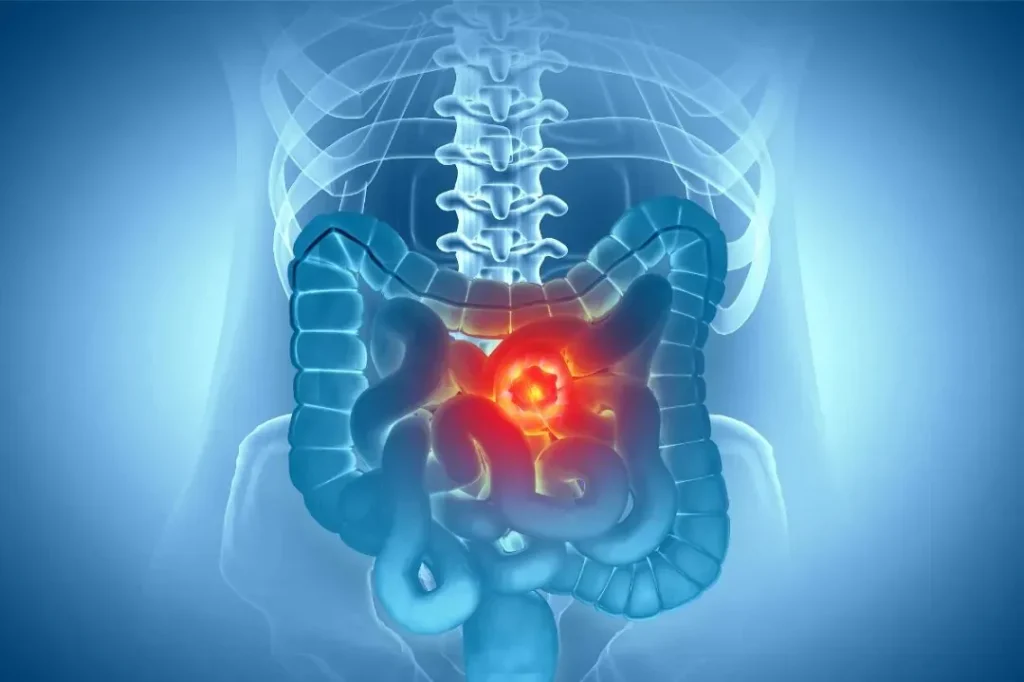
Colon cancer is a disease that originates in the large intestine, specifically in the lining of the colon or rectum. This condition typically begins with the formation of small, noncancerous growths called polyps, which over the course of several years can transform into malignant tumors. Understanding its nature is the first step in addressing it, as it is one of the most common oncological conditions worldwide, yet also one with higher success rates when caught early.
Addressing this topic with seriousness and clarity is crucial given its public health impact, particularly in Mexico, where nearly 15,000 new cases are diagnosed annually. The value of awareness lies in prevention: colorectal cancer is often asymptomatic in its early stages, and a lack of knowledge frequently delays diagnosis until advanced stages. Educating the population about risk factors and warning signs can mean the difference between palliative care and full remission. In this regard, having a comprehensive view of what cancer is and how it affects the human body is essential to fostering a strong culture of prevention.
Today, the present and future of colon cancer management are remarkably hopeful, thanks to advancements in genomic medicine and minimally invasive surgical techniques. Medical science is moving toward increasingly non-invasive detection methods, aiming to make early diagnosis the standard rather than the exception, thereby significantly improving patients’ chances of fully regaining their quality of life.
Primary Causes and Risk Factors of Colorectal Cancer
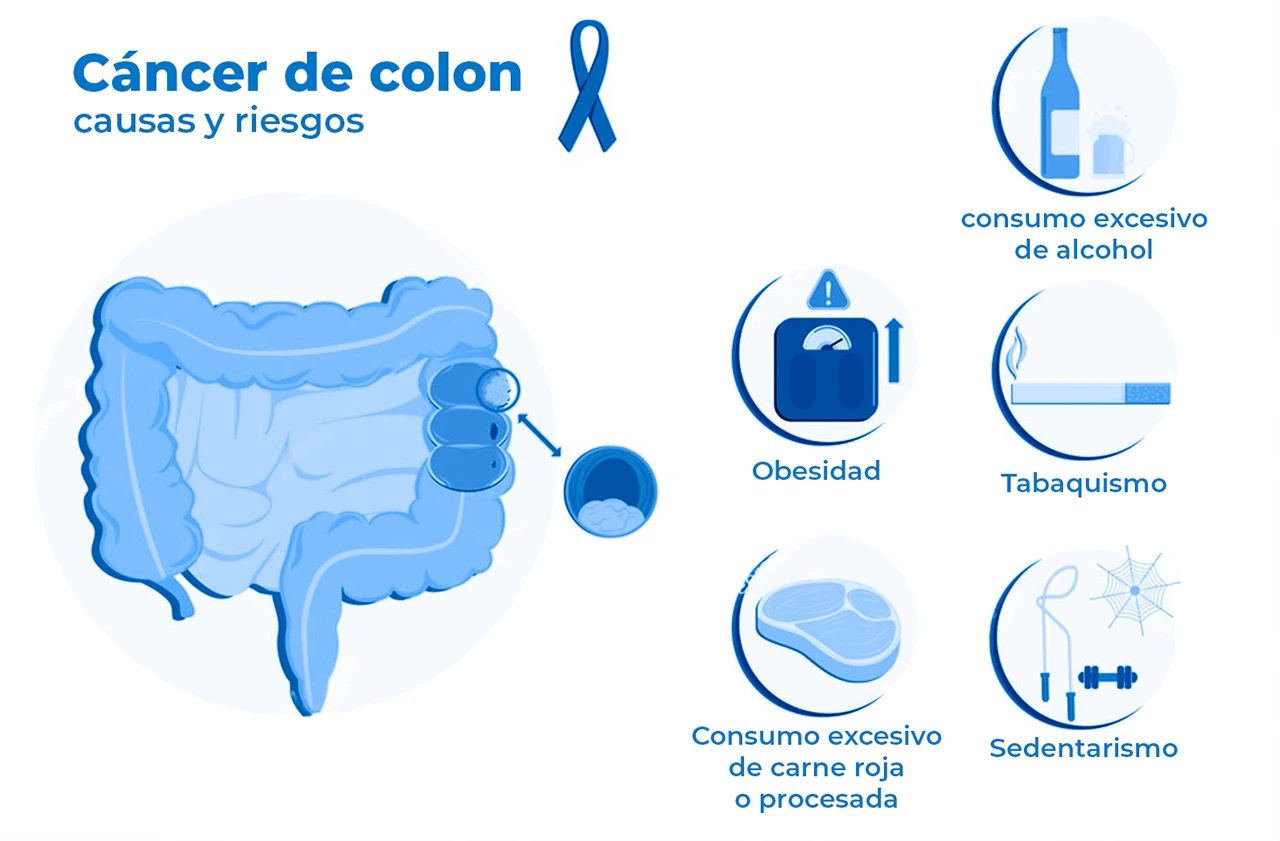
Although medicine has not yet determined an exact single cause that triggers the development of cancer cells in the digestive tract, it is known that colorectal cancer is the result of an accumulation of DNA damage in the cells of the intestinal lining. Understanding what colon cancer is and how it develops involves observing the growth of polyps. These cell clusters, though initially harmless, can mutate and begin to invade surrounding tissues, spreading toward the sigmoid colon or the rectum if not detected through a colonoscopy.
Genetic Factors and Hereditary Syndromes
A significant portion of diagnoses has a genetic basis. The risk increases if there is a personal or family history of colorectal cancer. Specific syndromes, such as Lynch syndrome or familial adenomatous polyposis (FAP), predispose individuals to developing the disease at younger ages. Therefore, if a first-degree relative has suffered from the disease, it is vital to begin medical screenings before age 50.
Lifestyle and Chronic Conditions
Environment and daily habits play a crucial role. A diet low in fiber and excessively high in fats and processed meats has been shown to irritate the colon walls. Additionally, conditions such as obesity, diabetes, and smoking create an inflammatory environment that facilitates tumor progression. Chronic inflammatory bowel diseases, such as ulcerative colitis or Crohn’s disease, also increase long-term intestinal tissue vulnerability.
The Age Factor in the Mexican Population
In Mexico, the population between 65 and 75 years old is the most affected, although sedentary lifestyles and dietary changes have led to an increase in cases among young adults. Advanced age remains the most common risk factor, but it is not the only one. Maintaining regular physical activity is one of the most effective protective barriers to reduce systemic inflammation and improve bowel transit.
Warning Signs: Symptoms You Should Not Ignore
Identifying colon cancer symptoms in their early stages is a challenge, as they are often confused with common digestive issues. It is vital to understand how colon cancer begins: it frequently starts asymptomatically. However, as the tumor grows or develops in narrow areas such as the sigmoid colon, the body begins to send signals that should not be normalized under the label of "colitis" or "indigestion."
Persistent Changes in Bowel Habits
One of the clearest signs is an alteration in bowel habits lasting more than a few days. This includes alternating episodes of diarrhea and constipation, or a noticeable change in stool consistency and shape (which may become narrower or ribbon-like). If you notice your usual rhythm has changed without a clear dietary reason, it is time to consult a specialist to rule out colorectal cancer symptoms.
Presence of Blood and Abdominal Pain
Gastrointestinal bleeding—whether rectal bleeding or the presence of dark blood in the stool—is an immediate warning sign. Patients often experience persistent abdominal discomfort, which can manifest as cramping, constant gas, or sharp pain. A very characteristic symptom is feeling as though you cannot completely empty your bowels after using the bathroom, suggesting a possible obstruction in the area of rectal cancer.
General Decline and Weight Loss
As the disease progresses, the body consumes resources to fight the tumor, leading to chronic fatigue and weakness. Unexplained weight loss is a systemic symptom that usually indicates the body is under significant metabolic stress. Do not ignore extreme fatigue, especially if accompanied by paleness, as this could be a sign of anemia caused by invisible internal bleeding.
Understanding the Progression of Colorectal Cancer
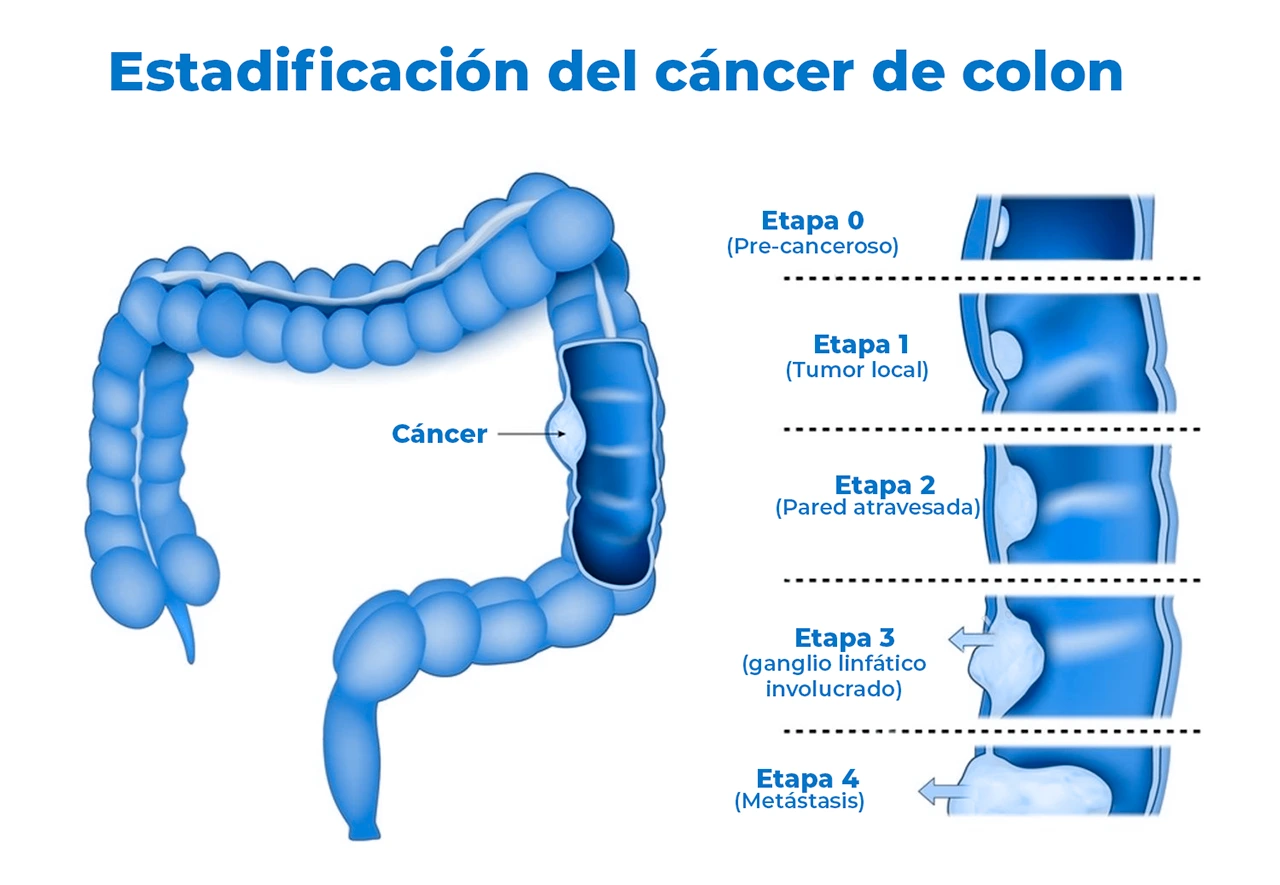
To determine the prognosis and course of treatment, doctors use a staging system. Understanding colon cancer stages is the most decisive factor in determining whether the disease has a good prognosis. This process identifies whether the tumor is localized or if it has begun to spread to other organs through the lymphatic system or bloodstream.
- Stage 1: This is the most favorable scenario. At this point, cancer cells have grown into the mucosal layer of the colon but have not penetrated the outer walls of the intestine or reached the lymph nodes. Generally, precise surgical intervention is sufficient to eliminate the threat. There is also Stage 0 (carcinoma in situ), where abnormal cells are found only in the innermost lining, carrying a cure rate of nearly 100%.
- Stage 2: The tumor is deeper and has grown through the wall of the colon, potentially reaching nearby tissues, but no cancer is detected in the lymph nodes yet. Although a more serious phase than the previous one, it is still considered localized cancer. Treatment typically involves surgery, and depending on certain risk factors, your doctor may consider preventive chemotherapy.
- Stage 3: This means malignant cells have spread to nearby lymph nodes. This is an important turning point in the clinical narrative, as the likelihood of microscopic cells traveling through the body is higher. For this reason, standard treatment almost always includes a combination of surgery and chemotherapy to "clear" any remaining traces of the disease.
- Stage 4: This is the most advanced stage, occurring when cancer has spread to distant sites such as the liver, lungs, or peritoneum. In the past, this stage was considered purely palliative; however, today, thanks to immunotherapy and precision medicine, many patients with metastatic disease are able to manage it as a chronic condition or even undergo rescue surgeries that were previously unthinkable.
Therapeutic Options: From Surgery to Immunotherapy
When asking whether colon cancer can be cured, the answer is that the success of colorectal cancer treatments depends on an accurate diagnosis based on its stages. For instance, stage 1 colon cancer, where the tumor is confined to the inner layers of the colon, has an extremely high survival rate through localized interventions.
The Essential Role of Surgery
Surgical resection remains the cornerstone of treatment. Depending on the location, a colectomy may be performed to remove the affected section, whether in the sigmoid colon or other parts of the large intestine. When the damage is located in the terminal section, it is treated as colorectal cancer, where surgical precision aims to preserve normal bodily functions while eliminating malignant tissue.
Complementary Treatments and Cutting-Edge Medicine
Beyond surgery, we rely on a robust therapeutic arsenal:
- Chemotherapy and Radiotherapy: Used to shrink the tumor prior to surgery or to eliminate residual cells afterward.
- Immunotherapy: Stimulates the patient’s own immune system to recognize and destroy cancer cells.
- Targeted Therapy: Drugs designed to target specific weaknesses within cancer cells, minimizing damage to healthy cells.
The Importance of Post-Treatment Follow-Up
Once remission is achieved, the process does not end. Regular medical follow-ups are vital to ensure that rectal or colon cancer does not recur. Early detection through routine screenings remains the best tool to guarantee that treatment is less invasive and far more effective.
At the Cancer Center of Centro Médico ABC, we provide specialized medical care. Contact us today!
Frequently Asked Questions
Fuentes:
IMSS, OMS, Cancer.org