
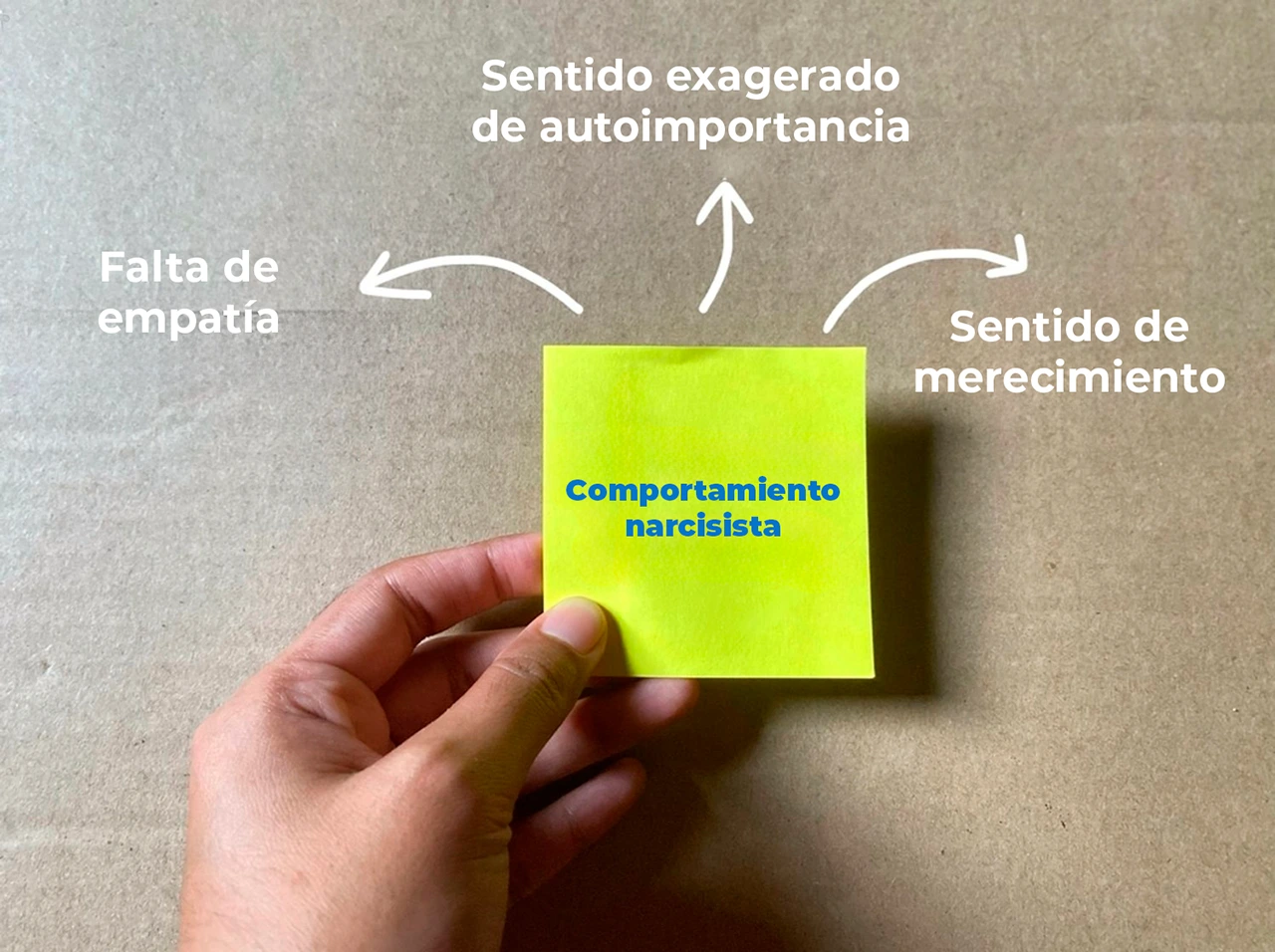
Understanding what “narcissistic” really means requires looking closely at the complexity of human behavior and mental health. A narcissistic person shows a pattern of grandiosity, a deep need for admiration, and a notable lack of empathy toward others, beginning in early adulthood and showing up across various areas of life. This isn’t simply someone with “a lot of self-love”, it’s a psychological condition in which an inflated sense of self-importance shapes how the person interacts with the world, often masking an extremely fragile self-esteem that’s highly sensitive to criticism.
Understanding this topic matters today because confusing high self-esteem with narcissistic personality disorder can lead to toxic relationships and patterns of emotional abuse. Recognizing these signs early not only protects the mental health of those around the individual but also helps distinguish between common personality traits and a condition that requires professional intervention. Education on this topic is the first line of defense for setting healthy boundaries in family, work, and romantic relationships.
Interest in understanding narcissism has grown significantly in recent years, largely due to the rise of social media, where personal image has become the center of attention. Looking ahead, psychology is expected to take a more comprehensive approach to diagnosis, clearly distinguishing clinical narcissism from broader cultural trends. The key will lie in early detection and developing therapeutic tools that foster genuine empathy, helping people move away from a constant need for external validation and toward real, lasting emotional stability.
The Core Traits That Define Narcissism
To understand what a narcissistic person is really like, we need to look beyond surface-level vanity. Narcissistic personality disorder falls under a group of mental health conditions known as personality disorders, characterized by unconventional or unhealthy patterns of behavior or thinking. Dr. Nelly Cecilia Capetillo Ventura, psychiatry specialist at ABC Medical Center, explains that this personality structure is built on a facade of superiority that protects a deeply insecure interior.
The Spectrum of Grandiosity and Ego
Grandiosity is the most visible symptom. The individual tends to exaggerate their achievements and talents, expecting to be seen as superior without having the accomplishments to back it up. This distorted self-image leads them to believe they’re unique and can only be understood by other high-status people. This creates a gap between reality and fantasy, where the person lives in an imagined world of limitless success, power, and beauty.
The Constant Need for External Validation
Unlike someone with genuine self-confidence, a narcissist is critically dependent on praise from others. If they don’t receive the attention they believe they deserve, their emotional stability falters. This need for approval makes them hypersensitive to criticism, even constructive feedback can feel like a devastating personal attack, triggering anger or withdrawal.
Emotional Disconnection and Lack of Empathy
One of the most critical traits is an inability to recognize or relate to others’ feelings. This lack of empathy isn’t always aggressive, sometimes it’s simple indifference to others’ pain. For a narcissist, other people’s needs are secondary or nonexistent, which inevitably damages their social and emotional relationships.
Manipulation and Control: The Most Common Tactics
When discussing the traits of a narcissistic or manipulative profile, control becomes the primary language of the relationship. The goal is always to maintain superiority by destabilizing the other person.
The Use of Guilt and Gaslighting
Manipulation often starts subtly. A narcissistic person may use gaslighting to make others doubt their own perception of reality. Phrases like “you’re overreacting” or “that never happened” are common tools for invalidating the other person’s experience. The goal is for the other person to lose their sense of autonomy and become dependent on the narcissist’s version of events.
Using Others for Personal Gain
Among the traits associated with a more manipulative or exploitative narcissistic profile is a tendency to treat others as tools. They don’t see people as individuals with their own rights, but as a means to an end, whether that’s status, money, or emotional entertainment. This kind of exploitation often leaves victims feeling emotionally drained and empty.
The Idealization and Devaluation Cycle
In relationships, a narcissist often begins with a phase known as “love bombing,” putting the other person on a pedestal. However, as soon as the other person shows a human flaw or is no longer useful to the narcissist’s ego, devaluation begins. Constant criticism and contempt replace the initial praise, creating a cycle of confusion and pain.
Vulnerable Narcissism vs. Grandiose Narcissism
It’s a common mistake to assume all narcissists are extroverted and arrogant. Research distinguishes between two main types that share the same lack of empathy but express it differently.
The Grandiose Narcissist Profile
This is the classic type most people recognize, characterized by extroversion, attention-seeking, aggressiveness, and a lack of shame. These individuals feel comfortable dominating conversations and projecting an image of absolute power. This is where many of the classic narcissistic put-downs come from, aimed at diminishing others’ success to elevate their own.
Vulnerable or Covert Narcissism
This profile is much harder to spot. These individuals feel superior but are also extremely shy and highly sensitive to rejection. Rather than boasting, they often play the victim to gain attention. Their sense of superiority shows up in thoughts like “no one understands me because I’m too special for this world,” and their lack of empathy is just as damaging as in the grandiose type.
Differences in Handling Criticism
While the grandiose type responds to criticism with outward anger and counterattacks, the vulnerable type tends to respond with passive-aggressive resentment or deep depression. Both, however, share an inability to process mistakes as part of normal human learning, always viewing them as a threat to their identity.
How Narcissistic Behavior Affects the Family
These behaviors are often most damaging at home, where emotional bonds make it harder to set boundaries.
Traits of a Narcissistic Parent
A parent with these tendencies often sees their children as extensions of themselves rather than as independent individuals. A child’s achievements are only celebrated if they reflect well on the parent, while the child’s failures are seen as a personal offense. This can lead children to constantly chase perfection and develop chronically low self-esteem.
Impact on Partners and Extended Family
In daily life, a narcissist tends to monopolize the group’s attention and emotional resources. In the home, this often shows up as financial or emotional control over a partner, using silence or contempt as punishment. This creates an environment of constant tension, where family members feel like they’re “walking on eggshells” to avoid triggering outbursts of anger.
The Myth That They “Never Change”
There’s a common belief that people with narcissistic traits “never change.” But that’s not entirely true. Many seek help precisely when going through difficult times, a loss, a breakup, a failure, or major life changes. These experiences can shake their sense of security and force them to confront parts of themselves they’ve long avoided, causing significant internal distress. Even natural life stages, like aging, can present a major emotional challenge. It’s important to know that during periods of severe stress, some people may experience suicidal thoughts, which is why seeking help early can be lifesaving.
The Path to Healing and Treatment
As Dr. Capetillo notes, narcissistic personality disorder requires specialized psychological therapy. Treatment aims to help the individual recognize their destructive patterns. It’s important to understand that, while not everyone with narcissistic traits has the clinical disorder, learning to recognize the more than 20 traits associated with narcissism, such as envy, arrogance, and a lack of remorse, is essential for seeking professional help.
Effectively addressing this condition requires a multidisciplinary team that includes both a psychologist and a psychiatrist. Treatment is centered on psychotherapy, particularly cognitive behavioral therapy (CBT), which helps identify dysfunctional behaviors, as well as schema therapy or mentalization-based therapy, both of which are clinically supported approaches for building emotional regulation and empathy. While there’s no specific medication to cure narcissism, a psychiatrist may prescribe medication to treat co-occurring conditions such as depression or anxiety. Other evidence-based therapeutic approaches, such as dialectical behavior therapy or transference-focused therapy, can also help improve interpersonal relationships and emotional stability.
Change is possible. Personality isn’t a fixed sentence, it’s a story that can be rewritten with awareness, support, and therapeutic work.
At ABC Medical Center’s Neurology Center, we can provide you with specialized care. Contact us!
Frequently Asked Questions About Narcissistic Personality
- What does narcissistic personality actually mean?
It’s a psychological structure defined by a need to be the center of attention, a lack of empathy, and an unrealistic view of one’s own abilities, which affects social and professional functioning.
- How does a narcissistic person behave?
They tend to dominate conversations, belittle others, react with anger to criticism, and constantly seek praise to prop up their fragile self-esteem.
- How can you tell if someone is narcissistic?
The key is noticing persistent patterns of low empathy, exploiting others for personal gain, and a constant sense of superiority that doesn’t match reality.
- What are the 10 characteristics of a narcissistic person?
There isn’t a fixed list of exactly 10 traits, but the most common ones include:
- A sense of grandiosity.
- Preoccupation with fantasies of success.
- A belief in being special and unique.
- A need for excessive admiration.
- A sense of entitlement (believing they deserve special treatment).
- Exploiting others.
- Lack of empathy.
- Frequent envy of others or believing others envy them.
- Arrogant behavior.
- Hypersensitivity to criticism.
- How can you tell if someone is a narcissist?
You can tell by their inability to genuinely feel happy for others, their tendency to play the victim when you point out their mistakes, and their use of manipulation to control those around them.
- How can I spot a narcissist at work?
They tend to take credit for others’ work, don’t accept feedback, and compete aggressively to prove they’re indispensable, sometimes even undermining their coworkers.
- How does a narcissistic person behave with their partner?
At first, they’re charming (love bombing), but they later become controlling, cold, and critical, alternating between affection and indifference to maintain emotional control.