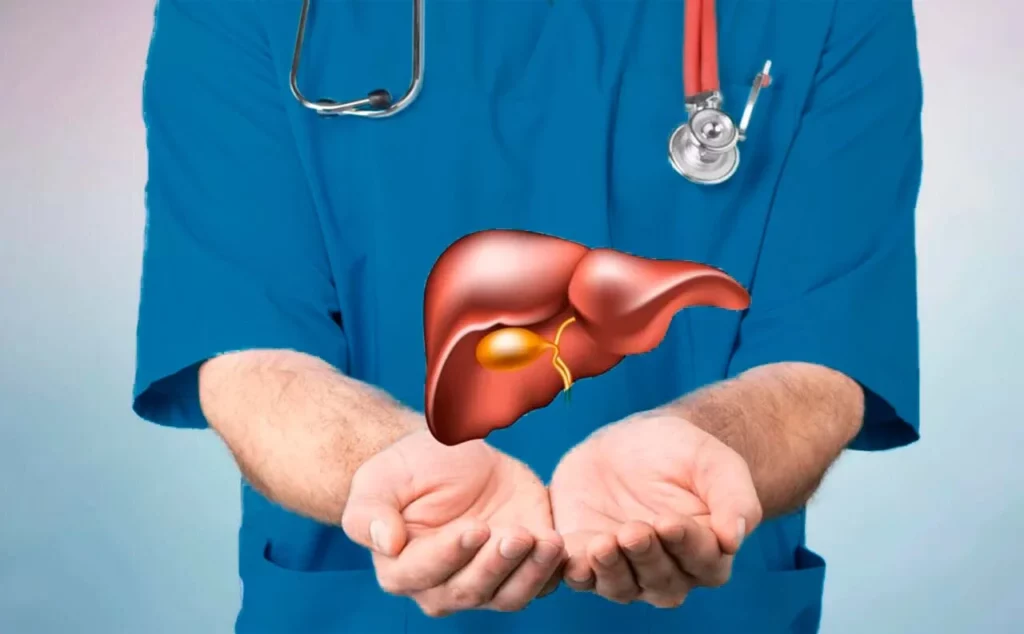
Understanding what hepatitis is is essential, as it is a disease that can develop suddenly and progress to severe conditions such as fibrosis, liver cirrhosis, or liver cancer.
Viruses are the primary and most common cause of this condition, although other types of hepatitis can be caused by infections, substance consumption, or even autoimmune diseases.
When discussing viral hepatitis, it is divided into five main categories:
Hepatitis A
This is an infection caused by the hepatitis A virus (HAV) and is transmitted through contact with the stool of infected individuals. This can occur via direct contact or by consuming contaminated food or water. Prevention for this type of hepatitis is achieved through vaccination.
Hepatitis B
In this case, the virus is transmitted through blood and body fluids. Sometimes, a person infected with hepatitis B can develop a chronic infection and become a carrier. Although it does not happen in all cases, people with hepatitis B are at risk of developing liver cirrhosis or liver cancer.
Hepatitis C
This infection is characterized as a slowly progressive and often asymptomatic disease, which can take up to 30 years to cause severe liver damage.
Hepatitis D
Hepatitis D virus (HDV) infection only occurs in individuals who are already infected with hepatitis B, as it requires contact with blood and other body fluids to replicate.
Hepatitis E
This virus is also transmitted through the consumption of contaminated water or food and is the most common cause of hepatitis outbreaks in developing areas.
How Hepatitis Spreads
The causes and transmission routes of hepatitis vary depending on the type.
As mentioned, viral hepatitis is contagious and occurs when a person comes into contact with any of the virus variants—whether through stool, food, water, blood, or other bodily fluids.
On the other hand:
- Alcoholic hepatitis is caused by excessive alcohol consumption.
- Toxic hepatitis results from exposure to or ingestion of chemicals, toxins, certain medications, or supplements.
- Autoimmune hepatitis is a chronic condition in which the body’s immune system attacks the liver; its exact underlying cause remains unknown.
Because the causes vary, there are also different ways to prevent or reduce the risk of developing this condition. Moderating alcohol intake is key to preventing alcoholic hepatitis, while vaccines can help prevent certain types of viral hepatitis. Avoiding the sharing of needles and minimizing contact with potentially contaminated materials are also critical preventive actions.
Hepatitis Symptoms
While some people living with hepatitis may experience no symptoms and remain unaware of their infection, others may develop:
- Yellowing of the skin or eyes (jaundice)
- Abdominal pain
- Joint pain
- Fatigue
- Fever
- Clay-colored stools
- Nausea
- Dark urine
- Loss of appetite
- Vomiting
At the Internal Medicine Department of Centro Médico ABC, we provide specialized care. Contact us today!
Fuentes:
MedlinePlus, OMS, IMSS