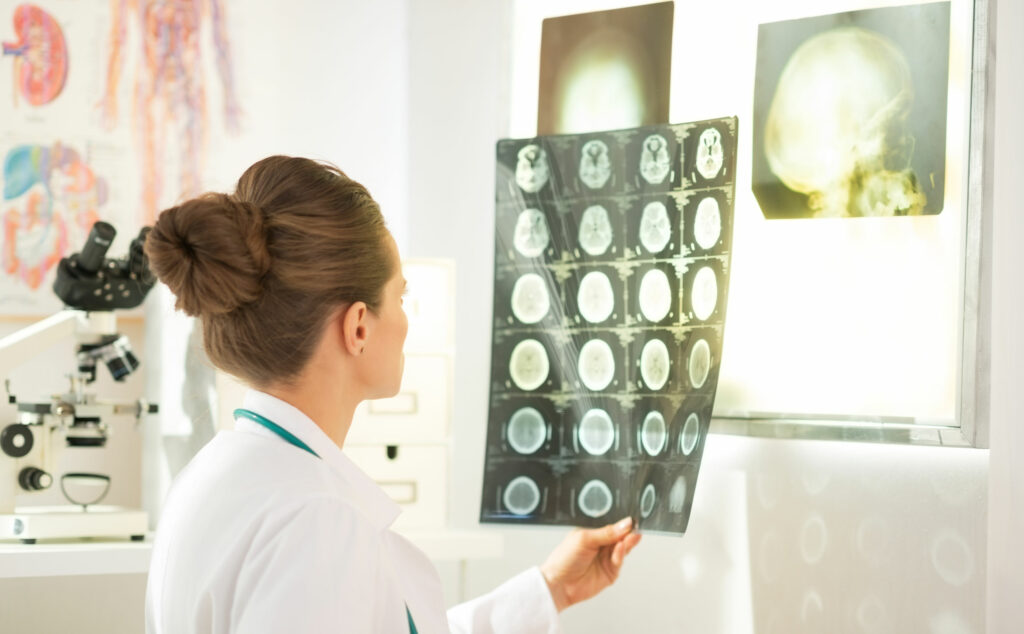
In medicine, a neurologist is a specialist focused on studying the anatomy, function, and development of the nervous system—composed of the brain, spinal cord, peripheral nerves, and muscles—through the field of neurology.
What a Neurologist Does
The practitioner specializing in neurology is a neurologist, whose responsibilities include the care, study, and analysis of conditions affecting the nervous system. Neurology focuses specifically on disease prevention, diagnosis, treatment, and rehabilitation.
While neurosurgery encompasses these same areas, it also includes surgical interventions. Among the main branches of neurology, key areas include neurosurgery, pediatric neurology, and neuropsychology.
What Neurology Studies
Neurologists study a wide range of disorders affecting the nervous system. This includes the central nervous system (brain and spinal cord), the peripheral nervous system (nerves and ganglia outside the central nervous system), and the autonomic nervous system, which controls involuntary functions such as breathing and blood pressure.
Neurology treats neurological conditions such as Alzheimer’s disease, Parkinson’s disease, and epilepsy, among many others.
To achieve an accurate diagnosis, specialists perform clinical evaluations of symptoms, conduct physical examinations, and utilize diagnostic tools. Based on the patient’s neurological condition, treatment may begin using medication, surgical procedures, or other forms of therapy.
Neurological Diagnostic Tests
To accurately diagnose and treat neurological conditions, specialists have access to a wide variety of diagnostic tools, including:
- Magnetic Resonance Imaging (MRI): Uses magnetic fields and radio waves to generate detailed images of the brain and spinal cord.
- Computed Tomography (CT Scan): Employs X-rays to create cross-sectional images of the brain.
- Electroencephalogram (EEG): Records the electrical activity of the brain.
- Cerebral Angiography: Uses X-rays and contrast dye to visualize the blood vessels in the brain.
- Positron Emission Tomography (PET Scan): Helps observe the metabolic activity of the brain.
- Transcranial Doppler Ultrasound: Evaluates blood flow through the brain’s blood vessels.
- Evoked Potentials: Measure the brain’s electrical response to visual, auditory, or somatosensory stimuli.
- Neuropsychological Evaluations: Provide cognitive and behavioral assessments to identify issues with memory, language, attention, or other cognitive functions.
Common Neurological Conditions
Among the most common neurological conditions are:
- Dementia, Alzheimer’s disease, and vascular dementia
- Stroke: ischemic stroke and brain hemorrhage
- Epilepsy
- Parkinson’s disease
- Multiple sclerosis
- Migraines
- Traumatic brain injuries
Other degenerative and neuromuscular diseases include amyotrophic lateral sclerosis (ALS), muscular dystrophies, dystonias, neuropathies, and myopathies. While these conditions affect both men and women, they show a higher incidence in the adult population.
At the Neurological Center at Centro Médico ABC, we provide specialized care. Contact us today!