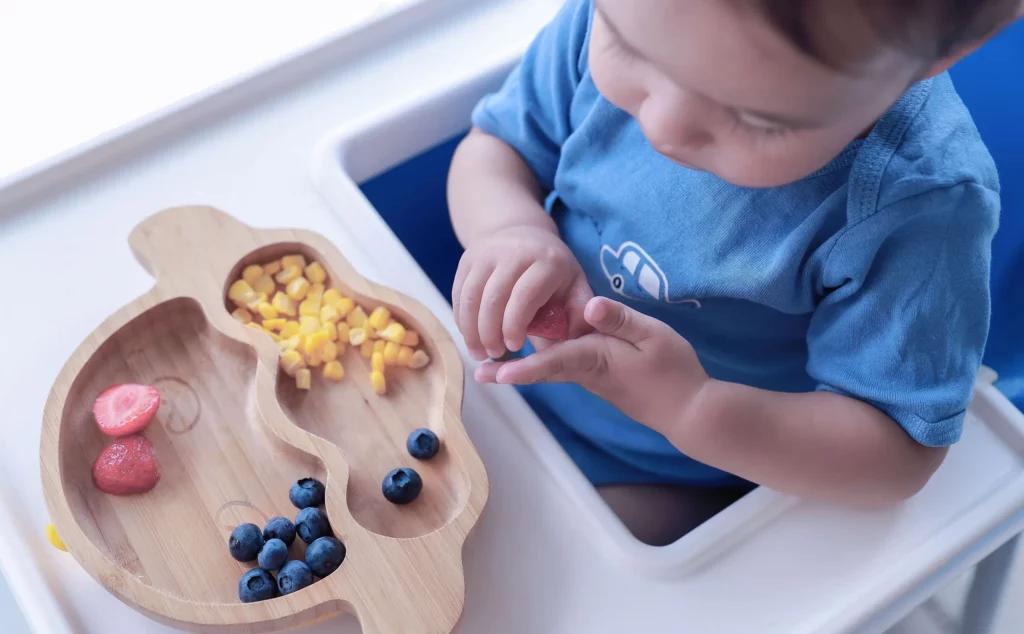
As babies grow, the types of food they eat change to meet the specific nutritional and energy needs of each stage of their development.
At first, a newborn’s diet should consist exclusively of breast milk, and over time, more foods will gradually be introduced until, by around age two, the baby is eating a full range of solid foods.
Feeding a NewbornBreastfeeding is the ideal way to feed a baby, although there are exceptional cases where this isn’t possible.
In most cases, exclusively breastfeeding a newborn provides all the nutrients needed for healthy development and optimal growth.
During the first six months, babies don’t need to be given water, juice, or cereal, feeding should be exclusively with breast milk.
If breastfeeding isn’t possible, the pediatrician will recommend an appropriate infant formula, but this should only be done under their guidance.
About BreastfeedingProper breastfeeding not only provides the nutrients a baby needs, it also helps prevent gastrointestinal or respiratory infections, and may help reduce the risk of future conditions such as diabetes, obesity, allergies, leukemia, childhood cancer, high blood pressure, or high cholesterol.
Breastfeeding has also been linked to long-term cognitive development and higher IQ.
Main Foods and Diet for BabiesOnce a baby turns six months old, mixed feeding begins; the mother continues breastfeeding while gradually introducing formula and solid foods.
Something important to keep in mind is that every baby is different, and the decision of which solid foods to introduce first should be made together with the pediatrician.
There are also certain signs that can help indicate when it’s the right time to start introducing solid foods:
- Showing curiosity about other people’s food.
- Having good head and neck control.
- Being able to sit up.
- Being able to hold small objects in their hands.
Details on Infant Nutrition and RecommendationsDeciding how to start feeding your baby solid foods involves a few key considerations first:
- Should you offer purées, mashed foods, or finely chopped foods?
- New foods shouldn’t be combined, introduce them one at a time so you can easily identify if an allergic reaction occurs and pinpoint which food caused it.
- Milk, eggs, peanuts, tree nuts, fish, shellfish, wheat, and soy are foods that can potentially cause allergic reactions in children. It’s important to be cautious when introducing these foods for the first time and to avoid combining them, especially if the baby has significant eczema.
- Offer a wide variety of foods, considering different colors, textures, and flavors.
- It’s common for a baby to need to try a new food several times before accepting it.
- Whether homemade or store-bought, first foods should be soft or cut into very small pieces.
Beyond foods that may cause allergies, there are also other foods babies shouldn’t be given, including foods high in salt or added sugar, fish with high mercury content, raw or unpasteurized dairy products, honey (which is toxic for babies under one year old), foods that could pose a choking hazard due to their shape or size, and products containing harmful chemicals.
At ABC Medical Center’s Pediatrics Center, we can provide you with specialized care and answer all your questions about feeding your baby. Contact us!