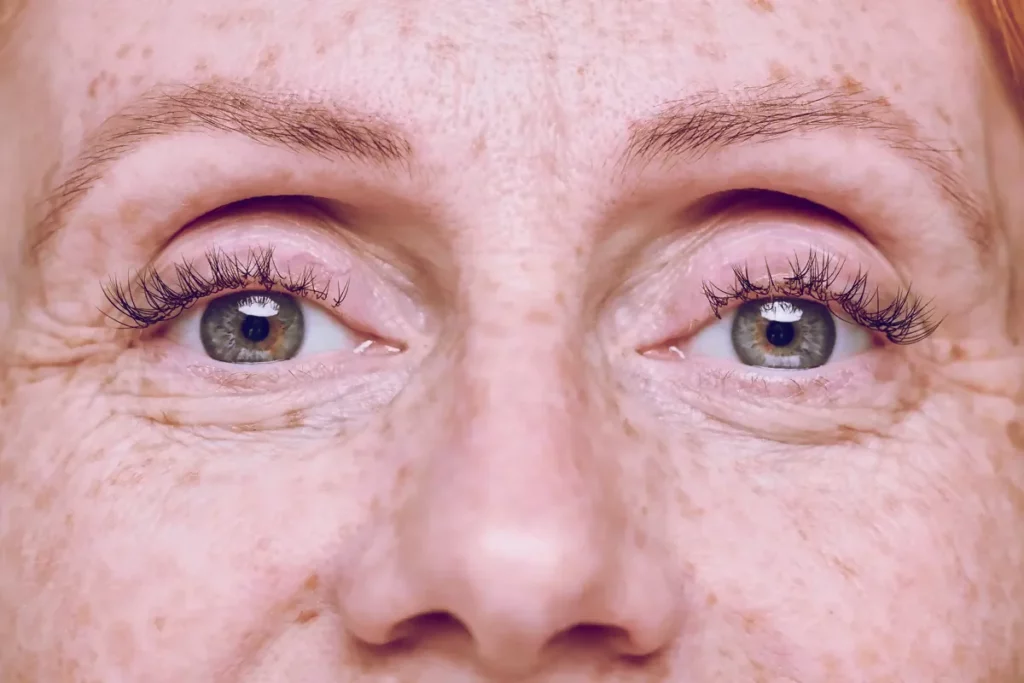
Amaurosis refers to a temporary loss of vision in one eye, caused by problems with the retina or blood circulation.
What Is Amaurosis?
The retina is a thin layer lining the back of the eye that captures light and converts it into electrical signals sent to the brain, the first step in the visual process.
To answer the question directly, amaurosis isn’t a specific disease, it’s more of a symptom that can result from other conditions affecting the optic nerve or other parts of the visual system.
Several conditions can cause amaurosis, including:
- Macular degeneration: this condition affects the macula, the light-sensitive tissue in the eye, and can cause significant loss of central vision.
- Retinal detachment: when the retina separates from its normal position, it can cause a sudden loss of vision.
- Retinitis pigmentosa: a hereditary condition that leads to progressive degeneration of the retina’s photoreceptor cells.
- Diabetic retinopathy: a complication that can affect people living with diabetes, damaging the blood vessels in the retina and, in severe cases, interfering with vision.
- Degenerative diseases: certain degenerative conditions, such as stroke or glaucoma, can also cause amaurosis.
- Hereditary causes: some inherited conditions can affect vision from birth or very early in life, such as Leber congenital amaurosis.
Since amaurosis is more of a symptom than a standalone disease, treating it requires specialized care to determine the underlying cause.
What Is Amaurosis Fugax?
The difference between amaurosis and amaurosis fugax lies in how long the episodes last. Regardless of type, amaurosis refers to partial or complete vision loss, in one or both eyes, without any visible injury to the eye itself.
Amaurosis fugax, on the other hand, is the same type of vision loss but temporary, and it often signals a vascular disorder affecting blood flow to the eye. Conditions commonly associated with amaurosis fugax include peripheral artery disease and carotid artery disease.
In short, amaurosis is vision loss without a visible injury, while amaurosis fugax is a specific, temporary form of it.
“I Went Blind for a Moment”
Someone experiencing amaurosis will have a particular level of vision loss, which can vary in both severity and presentation depending on the underlying cause.
Some people may experience complete, sudden blindness in one or both eyes, known as bilateral amaurosis.
Others may experience intermittent or partial vision loss, meaning they see clearly at times and lose vision at others.
Similarly, someone with amaurosis may experience progressive vision loss, meaning that if left untreated, it will worsen over time.
Treatment for Amaurosis
Because amaurosis can result from a wide range of causes, it’s important to address not just the vision loss, but also the underlying cause. This may involve medication, surgical procedures, laser therapy, or intravitreal injections.
Beyond these treatments, visual rehabilitation therapy may also be needed, particularly for patients whose vision loss can’t be fully restored.
At the Conde de Valenciana ABC Institute of Ophthalmology, part of ABC Medical Center, we can provide you with specialized care and proper medical attention if you’re experiencing symptoms of amaurosis. Contact us!