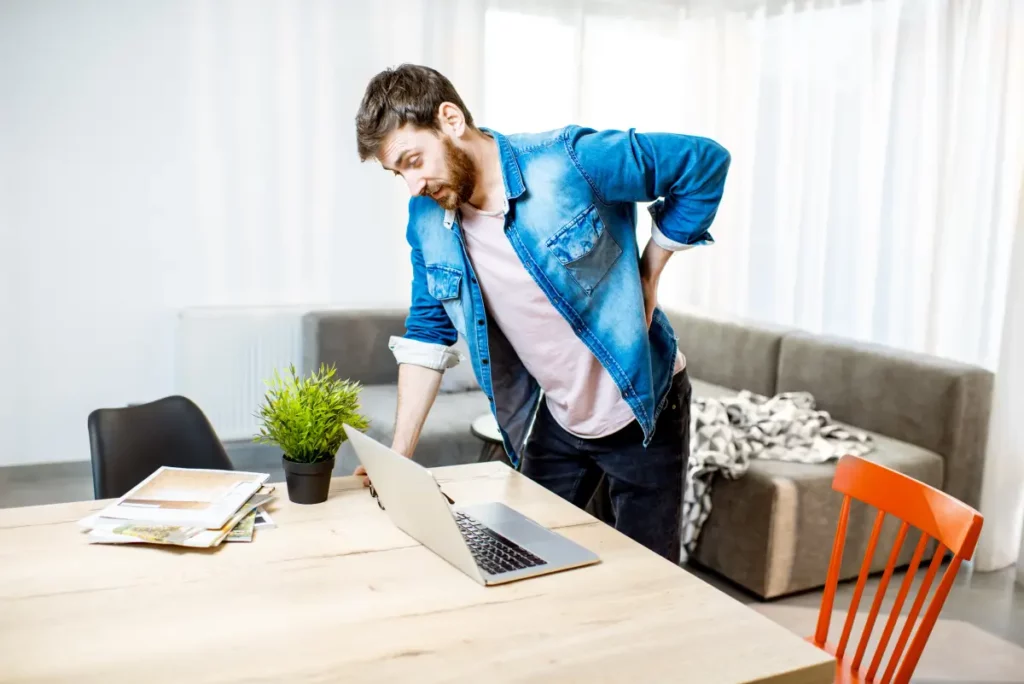
Low back pain, also known clinically as lumbalgia or lumbago, refers specifically to any type of pain, tension, or stiffness in the lower back. It can be short-lived, known as an acute episode, or last a long time, becoming a chronic issue that affects quality of life. The intensity of low back pain also varies widely, depending on individual factors, age, medical history, and a person’s overall physical condition in daily life.
Global studies show that most adults will experience this discomfort at least once in their lifetime. Like pain in other parts of the body, low back discomfort can stem from various physical factors that directly affect the back’s complex musculoskeletal structure. Understanding the exact cause is the first step toward lasting relief and avoiding complications that could compromise long-term mobility.
Anatomy of the Lumbar Spine: Why Is It So Prone to Injury?
To understand why the lower back hurts, it helps to explore the anatomy of the lumbar spine. This region is made up of the five largest, sturdiest vertebrae in the spine, designed to bear most of the body’s weight and allow essential movements like bending, twisting, and walking. Between each of these vertebrae are intervertebral discs, which act as elastic shock absorbers, cushioning everyday impact and preventing direct friction between the bones. An intricate network of muscles, tendons, and ligaments surrounds and supports this entire system, stabilizing the torso.
Despite its remarkable natural resilience, the lumbar spine is highly vulnerable to injury and wear due to the constant mechanical demands placed on it daily. Lifting heavy objects improperly, maintaining static postures at a computer for long hours, or making sudden twisting movements all place excessive pressure on these structures. Over time, this ongoing strain wears down soft tissue and accelerates disc degeneration, exposing the nerves running through the spinal canal to constant compression or irritation that can trigger pain, either suddenly or gradually.
Low Back Pain: Main Causes and Common Risk Factors
There’s a wide range of causes behind low back pain, directly linked to specific musculoskeletal conditions or other underlying medical issues that can become serious if not addressed promptly. Among the most common mechanical or structural causes of low back pain are:
- Muscle tension and overexertion: the muscles in the lower back can become significantly strained from excessive physical effort or poor ergonomic habits, resulting in both acute pain and persistent discomfort in this area.
- Ligament injuries: the ligaments connecting the lumbar vertebrae can become damaged, stretched, or torn from sudden movements, falls, or direct blows, triggering a severe inflammatory response.
- Herniated discs and disc problems: one or more herniated intervertebral discs can cause pain by directly pressing on nerves. This occurs when the soft center of the disc pushes through a tear in its outer lining, irritating nearby nerve roots in the lumbar spine.
- Degeneration and aging: with the inevitable passage of time, intervertebral discs begin to lose height, dehydrate, and lose elasticity. This progressive degeneration leads to low back pain, morning stiffness, and reduced overall flexibility.
- Nerve compression and inflammation: when spinal nerves become compressed or irritated, it triggers pain often accompanied by numbness, tingling, and weakness that extends into the legs, as seen in sciatica. Inflammation of soft tissue in the lower back can also perpetuate the pain cycle.
- Chronic conditions and congenital abnormalities: conditions such as spinal stenosis (narrowing of the canal through which the spinal cord passes) or spondylosis (wear of the lumbar joints) are common causes. Similarly, some inherited genetic conditions affect the spine’s bone structure from birth.
Beyond these structural factors, modern lifestyle habits directly affect low back health. A markedly sedentary lifestyle weakens the abdominal and back muscles, leaving the lower back without the muscular support needed to bear the body’s weight evenly.
Similarly, being overweight or obese places constant forward mechanical strain that alters the spine’s natural curvature. Chronic psychological stress physically manifests as increased, unconscious muscle tension in the shoulders and lower back, while smoking reduces blood flow to the intervertebral discs, significantly accelerating their dehydration and premature wear.
It’s worth noting that low back pain in women involves specific factors tied to biology and particular life stages. During pregnancy, the rapid shift in the body’s center of gravity, along with the release of hormones that relax the ligaments in preparation for childbirth, dramatically increases tension in the lower back.
Additionally, certain gynecological conditions, such as endometriosis or uterine fibroids, can be clinically as referred pain in the lower back. With menopause, declining estrogen levels accelerate bone density loss, increasing the risk of osteoporosis and vertebral microfractures that cause chronic lower back discomfort.
What Should You Take for Severe Low Back Pain, and When Should You See a Specialist?
When it comes to low back pain, as with any type of severe back pain, it’s very important to seek specialized medical care before deciding on your own what to take for severe, or even mild, low back pain. This precaution is essential, since taking medication on your own that hasn’t been properly prescribed by a healthcare professional could temporarily mask the pain while the underlying cause remains active, potentially worsening the original injury over time.
To reach an accurate medical diagnosis and precisely determine the cause of low back pain, an orthopedic or spine specialist may order a series of advanced clinical tests:
- Detailed imaging studies: digital X-rays can quickly identify any obvious physical damage in the lumbar region, such as joint wear from arthritis, misalignment, or fractures. MRI and CT scans are essential technological tools that provide a highly precise view of herniated discs, as well as other complex issues affecting muscles, ligaments, soft tissue, or deeper bone structures.
- Nerve function testing: specialized electrodiagnostic procedures, such as electromyography, accurately measure muscle response and nerve electrical impulses, helping successfully identify any nerve compression or entrapment causing pain that radiates into the lower limbs.
- Lab and blood tests: in certain cases, complete blood tests may be needed to fully rule out infectious processes, systemic inflammation, or autoimmune conditions that could be behind the low back discomfort.
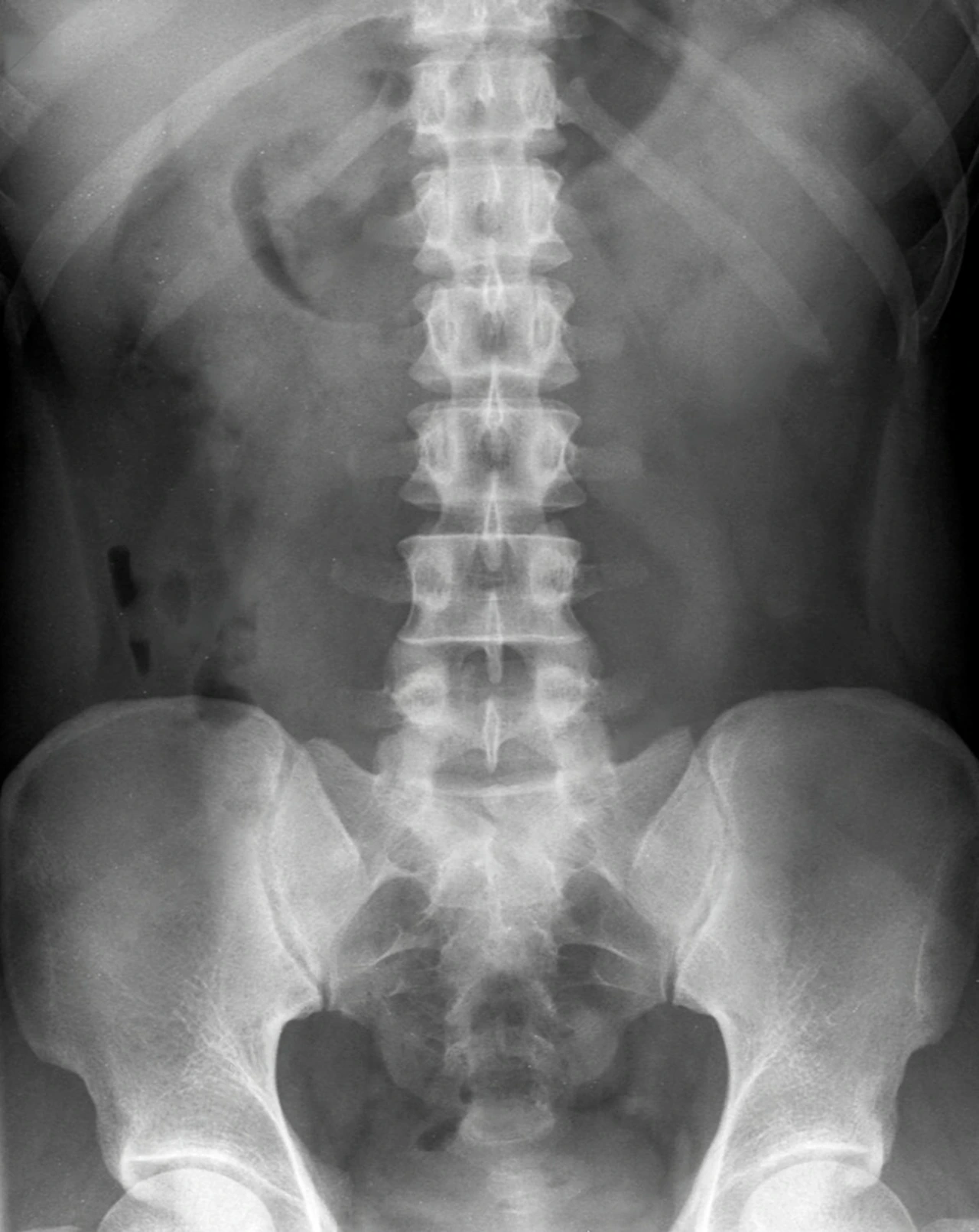
Not every case requires all the tests mentioned above; sometimes a detailed physical exam and a clinical conversation that identifies a specific movement or situation is enough to reach an accurate diagnosis. However, if there’s genuine uncertainty about the true cause, extent, or severity of the pain, some of these technology-supported tests will be ordered.
Advanced Treatments for Persistent Back Pain
Once the specialist has reviewed the relevant tests and accurately diagnosed the type of low back pain the patient is experiencing, they can design and follow a comprehensive, personalized treatment plan. In the early or moderate stages of the condition, prescription medications are a very common and effective tool for managing this pain. Today’s pharmaceutical options include distinct categories, such as nonsteroidal anti-inflammatory drugs to reduce local swelling, muscle relaxants to ease painful spasms, and specific pain relievers designed to block pain signals traveling to the central nervous system.
Physical therapy and guided physical rehabilitation are another essential tool over the medium and long term, since they significantly help restore lost flexibility, correct postural habits, and strengthen the muscles that stabilize the entire lower back. Beyond its reactive use to treat back pain during a patient’s rehabilitation period, physical therapy should also be used as a comprehensive preventive approach to keep the problem from recurring. Learning low-impact therapeutic exercises helps keep the lumbar vertebrae properly aligned mechanically during everyday activities.
For more severe cases that unfortunately don’t show satisfactory improvement with oral medications or conventional physical therapy sessions, modern medicine offers advanced, minimally invasive procedures. These include cortisone infiltrations or injections directly into the epidural space to dramatically reduce severe inflammation that hasn’t responded to other measures.
Radiofrequency ablation may also be used, an innovative technique that uses heat to temporarily interrupt specific nerves’ ability to send pain signals to the brain. Finally, spine surgery is reserved as a definitive option for specific cases involving serious neurological compromise, loss of strength, or a severe herniated disc that doesn’t respond to conservative treatment. Other treatments may help relieve low back pain, but you should always check with your treating physician before trying any complementary approach to avoid further injury.
Spinal Hygiene and Manual Therapy: Key Tools for Managing Low Back Pain
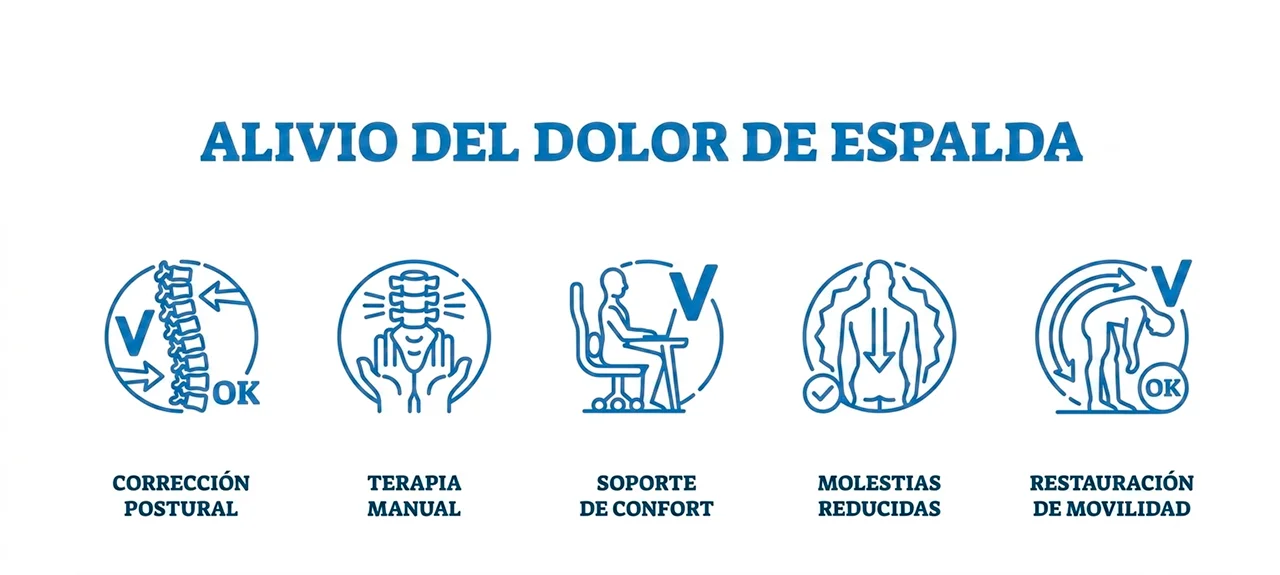
Beyond pharmacological treatments, long-term management of low back pain and prevention of future flare-ups depend largely on adopting healthy habits known as spinal hygiene. This practice involves learning to carry out daily activities in a way that places the least possible mechanical load on the lumbar spine. Simple actions like bending the knees when lifting objects off the floor, keeping the back straight while sitting at a desk, or using a mattress with proper support, drastically reduce intradiscal pressure in the lower back and prevent unnecessary muscle fatigue.
Additionally, manual therapy, performed exclusively by physical therapists or certified medical professionals, is a highly effective clinical tool for relieving low back pain without medication. Through specialized techniques such as joint mobilization, deep tissue therapeutic massage, and myofascial release, the specialist can reduce muscle tension, improve local blood circulation, and restore lost range of motion in the lumbar spine’s joints. By combining in-office manual therapy with proper spinal hygiene at home and at work, patients not only experience immediate relief, but also gain lasting control over the health and stability of their lower back.
At ABC Medical Center’s Orthopedics and Trauma Center and Spine Clinic, we can provide you with specialized care. Contact us!
Frequently Asked Questions
- How long is it normal for acute low back pain to last?
An episode of acute low back pain typically lasts anywhere from a few days to a maximum of four to six weeks. This type of pain is usually muscular or ligament-related and gradually improves with relative rest, local heat, and initial medical treatment. If discomfort persists for more than twelve weeks, it’s considered chronic and requires further evaluation.
- When should low back pain be considered a medical emergency?
You should seek emergency care immediately if low back pain is accompanied by what are medically known as “warning signs”: loss of bladder or bowel control, complete numbness in the groin area (saddle anesthesia), progressive leg weakness that prevents walking, or if the pain results from a serious accident or fall.
- What’s the difference between common low back pain and sciatica?
Common low back pain is localized exclusively to the lower back and doesn’t extend beyond the buttocks. Sciatica, on the other hand, occurs when the sciatic nerve root is compressed in the lumbar spine, causing sharp, shooting, or electric-shock-like pain that radiates through the buttock, down the back of the thigh, and can reach the foot.
- Is complete bed rest recommended for low back pain?
No, current medical evidence shows that complete bed rest for more than 48 hours is counterproductive for low back pain. Prolonged rest weakens the back muscles, increases joint stiffness, and delays recovery. It’s best to maintain relative rest, avoiding heavy lifting or strain, while staying as active as possible with gentle walking.
- How do footwear and posture affect lumbar health?
They have a direct impact. Wearing high heels daily or shoes without proper support alters the pelvis’s natural alignment and increases the lumbar spine’s curvature, fatiguing the lower back muscles. Similarly, sitting hunched over at a desk distributes body weight poorly, overloading the intervertebral discs and causing chronic low back pain.
- Can low back pain in women be related to osteoporosis?
Yes, in postmenopausal women, declining estrogen levels weaken bone density. This makes the lumbar vertebrae more susceptible to microfractures or vertebral compression from even minimal strain, which can present as dull, constant, persistent low back pain that requires diagnosis and bone metabolic treatment.