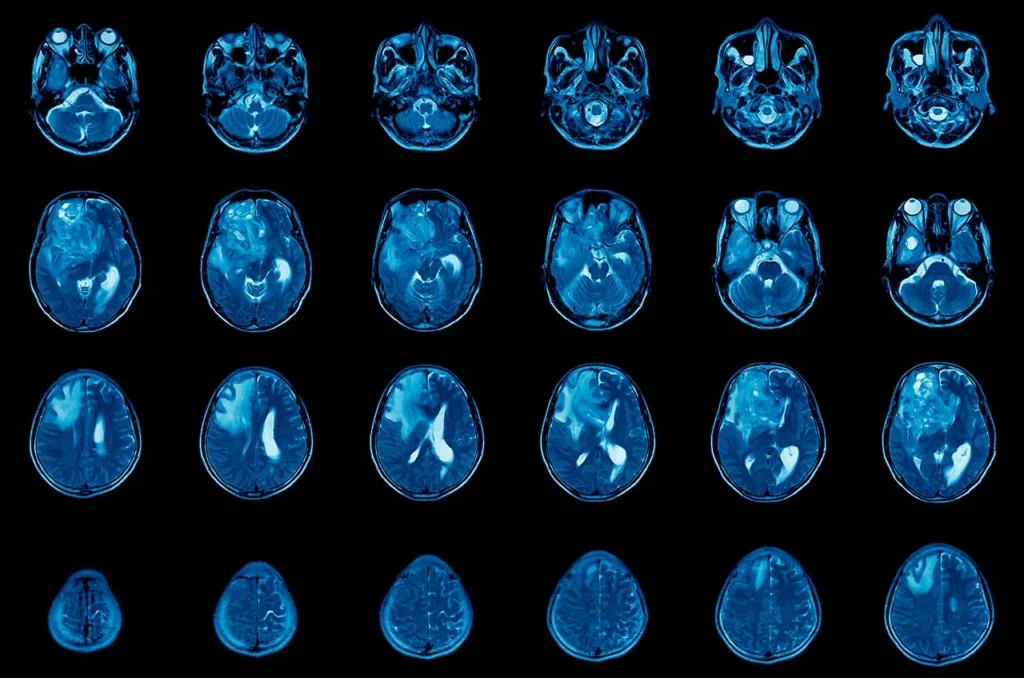
Glioblastoma multiforme, or GBM, is a highly aggressive brain tumor that originates in the brain’s glial cells, which surround and protect neurons.
What Is Glioblastoma?
Glioblastoma multiforme, or simply glioblastoma, is the most common and most aggressive type of glioma, a tumor that originates in the brain or spinal cord from glial cells.
A defining characteristic of cerebral glioblastoma is its invasive capacity and rapid growth. These tumors tend to have irregular shapes that allow them to infiltrate deeply into the surrounding brain tissue, which makes treating them through surgery or radiation therapy particularly difficult.
While the exact causes of glioblastoma remain unknown, certain genetic mutations are believed to play a crucial role, as does exposure to radiation and environmental factors such as toxins or chemicals.
Brain Tumor Symptoms
In glioblastoma multiforme, symptoms vary depending on the tumor’s location in the brain and the pressure it exerts on specific areas. The most common symptoms include:
- Headaches: intense and persistent, especially in the mornings.
- Vision changes: vision can become blurry or double, or sight in one eye may be lost entirely.
- Behavioral changes: confusion, mood changes, or memory problems may occur.
- Seizures: these can develop even in people who have never had them before.
- Language changes: difficulty finding words or speaking, as well as understanding what others say.
- Loss of coordination: problems with walking or controlling movements.
These symptoms may appear gradually as the tumor grows, but they can also appear suddenly following a tumor-related event such as a seizure.
What Is the Most Aggressive Cancer?
Glioblastoma multiforme is widely recognized as the most aggressive brain cancer, for several reasons.
Glioblastomas grow rapidly and can double in size within weeks. Combined with their ability to infiltrate deeply into surrounding normal brain tissue, this makes complete surgical removal extremely difficult.
This type of tumor has also shown resistance to treatments such as surgery, radiation therapy, and chemotherapy, and tends to recur even after what’s considered a successful treatment, a phenomenon known as recurrence.
Currently, the survival rate for glioblastoma multiforme patients remains low, reflecting its status as the most aggressive brain cancer.
Because of its aggressiveness, glioblastoma multiforme remains a major challenge in neuro-oncology. For this reason, seeking specialized medical attention as soon as possible is essential to receiving the best available treatment and improving the patient’s prognosis.
To understand life expectancy for a malignant brain tumor, it’s also important to know its grade of malignancy and specific characteristics:
- Grade 1 Pilocytic Astrocytoma: the most benign of the gliomas, with slow growth; patients generally have a good prognosis.
- Grade 2 Astrocytoma: involves slow, less aggressive growth than higher grades and can also carry a favorable long-term prognosis.
- Grade 3 Anaplastic Astrocytoma: shows increased abnormal cell activity and may display certain malignant features.
- Grade 4 Glioblastoma Multiforme: this is glioblastoma multiforme specifically, the most aggressive and malignant type, characterized by rapid cell growth, high proliferation, and deep invasion of surrounding tissue. It also carries the most difficult prognosis.
If you experience any symptoms that may be related to glioblastoma, it’s important to seek specialized medical care to fully assess the patient’s situation and reach an accurate diagnosis of the glioma type and grade.
At ABC Medical Center’s Cancer Center and Neurology Center, we can provide you with specialized care. Contact us!