
Acute pharyngitis is an inflammatory condition of the pharynx that appears suddenly, producing a persistent feeling of irritation and a sore throat. It’s one of the most common reasons for medical consultations worldwide, especially in winter and during abrupt temperature changes. In simple terms, it’s what we commonly call a throat infection, which can affect people of all ages and impair their ability to swallow and speak normally during inflammation.
Addressing this condition properly matters not only to relieve immediate discomfort, but also to avoid complications that could lead to more serious problems, such as rheumatic fever or localized abscesses. Understanding what acute pharyngitis is helps patients distinguish between a mild case that can be managed at home and a situation that requires a prescription antibiotic. This knowledge helps reduce unnecessary self-medication, a growing public health problem that drives bacterial resistance.
Today, the diagnosis of acute pharyngitis has advanced thanks to rapid antigen tests that can distinguish between a viral and a bacterial infection in minutes. The direction is clear: giving patients accurate information so they know when to seek care and how to prevent transmission in a world where respiratory health is a top priority.
What Is the Pharynx and What Does It Do?
The pharynx is a vital anatomical structure that functions as a “transfer station” in the body. It’s a tubular duct made up of muscle and mucous membrane, forming part of two essential systems: the digestive and respiratory. Located strategically behind the nasal cavity and mouth, it extends downward to connect with the esophagus and larynx, making it the obligatory passage for both the air we breathe and the food we swallow.
Anatomical Divisions of the Pharynx
To understand how an infection spreads, it helps to know that the pharynx has three main sections. The first is the nasopharynx, located just behind the nose, where acute rhinopharyngitis typically begins when cold viruses enter through the nasal passages. The second is the oropharynx, situated behind the mouth, the area most commonly seen when looking in the mirror and observing the tonsils. The third is the laryngopharynx, the lower portion that directs material toward either the digestive or respiratory system.
The Connection Between the Pharynx and Larynx
These two terms are often confused, but they have different roles. While the pharynx is the upper conduit, the larynx houses the vocal cords. The pharynx’s proper function is essential for swallowing; when we swallow, the body coordinates a precise movement to direct food toward the esophagus and away from the lungs. When pharyngitis occurs, this coordination can become painful due to inflammation of the mucosal tissue.
Viral vs. Bacterial Pharyngitis: Key Differences for Treatment
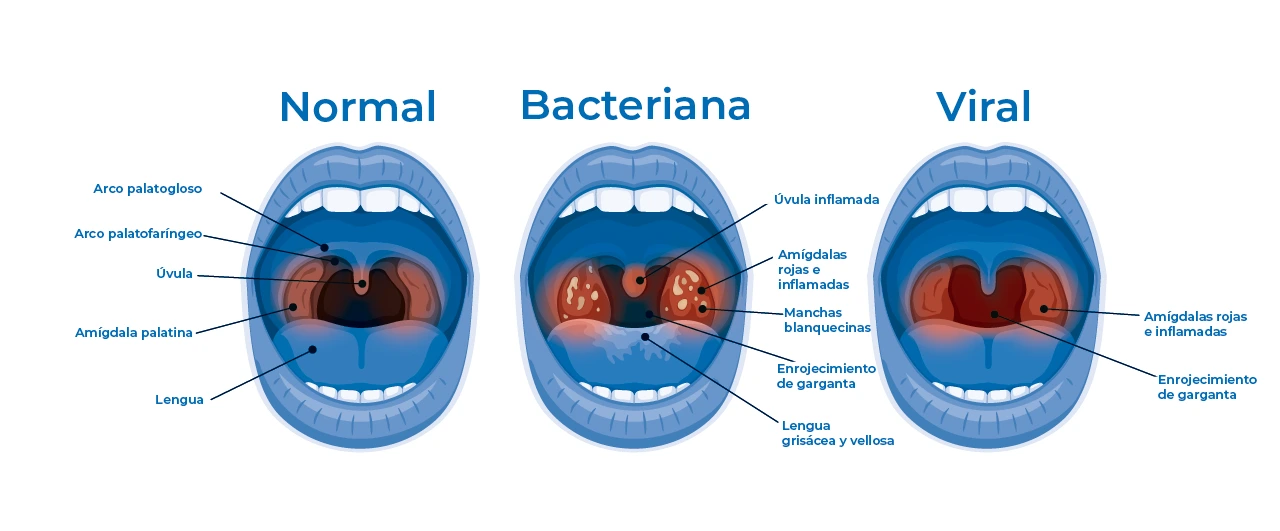
One of the biggest challenges for patients is identifying the source of their discomfort. Pharyngitis isn’t a single disease, it’s an inflammation that can be triggered by various agents. The most important distinction is whether the cause is viral or bacterial, since this determines the path to recovery and whether more potent medications are needed.
Causes of Acute Pharyngitis and Risk Factors
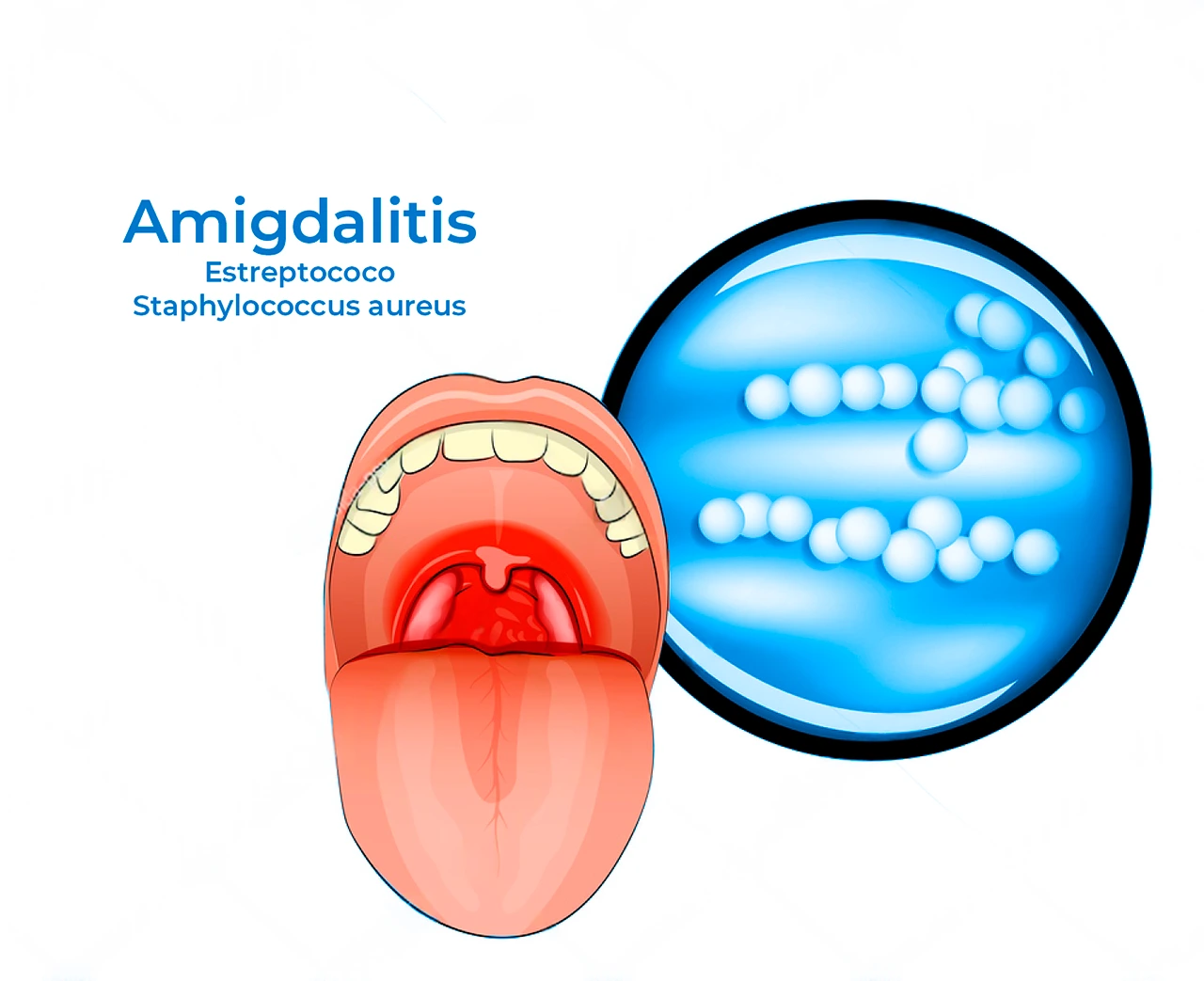
Most acute pharyngitis cases are viral in origin. Common viruses such as rhinovirus (the common cold), influenza, or even the mononucleosis virus are the usual culprits. Bacterial pharyngitis, while less common, is typically caused by Streptococcus pyogenes (group A streptococcus). Beyond pathogens, irritants such as excessively dry air, environmental pollution, and tobacco smoke can also trigger acute inflammation.
Symptoms and Warning Signs of Acute Pharyngitis
Symptoms can vary significantly depending on the cause, but certain patterns are common. A viral infection tends to produce nasal congestion, a cough, and a mild low-grade fever. A bacterial infection, on the other hand, typically brings more intense, localized symptoms: a sudden, severe sore throat, high fever, and swollen lymph nodes in the neck. Acute pharyngitis symptoms also include general fatigue and, particularly in children, headache or abdominal pain.
Professional Diagnosis: How Do You Know What You Have?
Diagnosis begins with a physical exam in which the doctor examines the condition of the mucosa and tonsils. If a bacterial infection is suspected, doctors use a throat culture or rapid antigen test. This distinction is critical, when there’s doubt about whether acute pharyngitis could be COVID or a bacterial infection, diagnostic tests are the only reliable tool to avoid misdiagnosis and ineffective treatment that only prolongs discomfort.
White Spots on the Throat
White patches or spots are one of the signs that most alarms patients. These spots are clusters of purulent material or deposits of cellular debris and bacteria lodged in the tonsillar crypts or on the posterior pharyngeal wall. While many people immediately assume they need antibiotics when they see them, the medical reality is a bit more nuanced.
What Do Pus Patches Mean?
White spots generally indicate that the immune system is actively fighting an infection. In streptococcal pharyngitis, these patches are very common and usually accompany intense redness. However, they can also appear in severe viral infections such as infectious mononucleosis. For this reason, white spots shouldn’t be the sole criterion for deciding on treatment, they must be evaluated alongside the rest of the clinical picture.
Other Causes of White Patches in the Pharynx
Not all white spots indicate acute pharyngitis. Other conditions such as oral candidiasis (a fungal infection), chronic tonsillitis, or even tonsil stones (small deposits of calcium and food debris trapped in the tonsils) can produce similar signs. Because each requires a different approach, don’t try to remove these patches at home, as it can injure sensitive throat tissue and worsen the infection.
What to Take for a Sore Throat
When the discomfort becomes hard to bear, the key question is what the appropriate treatment for acute pharyngitis is. The short answer is that it depends entirely on the cause. A common mistake is assuming an antibiotic will cure any sore throat, if the cause is a virus, the antibiotic will have no effect on the pathogen and may instead disrupt the patient’s healthy bacterial flora.
Medical and Pharmacological Treatment of Acute Pharyngitis
To relieve symptoms, doctors typically recommend over-the-counter pain relievers and fever reducers such as ibuprofen or acetaminophen, which help reduce inflammation and control fever. If a bacterial infection is confirmed, antibiotic treatment is required and must be completed as directed, even if symptoms resolve before finishing the course, to prevent bacterial survival and resistance.
Home Remedies and Self-Care
In addition to conventional medicine, several supportive measures can help speed up relief:
- Gargling with warm salt water: helps draw excess fluid from inflamed tissue.
- Staying well hydrated: drinking water, broths, or herbal teas keeps the mucous membranes moist and helps thin secretions.
- Complete rest: the body needs energy to fight the invader, whether viral or bacterial.
- Using a humidifier: keeping the air from becoming too dry reduces mechanical irritation of the pharynx.
Is Acute Pharyngitis Contagious? Prevention and Care
Acute pharyngitis is contagious, particularly in its early stages. It spreads through the tiny droplets expelled when speaking, coughing, or sneezing. To prevent transmission, frequent handwashing is recommended, along with avoiding sharing utensils or glasses, and keeping a reasonable distance from anyone showing symptoms. With bacterial pharyngitis, the patient typically stops being contagious 24 to 48 hours after starting the appropriate antibiotic treatment.
At ABC Medical Center’s Internal Medicine area, we can provide you with specialized care. Contact us!
Frequently Asked Questions
- How can you get rid of acute pharyngitis quickly?
There’s no instant cure, but rest, good hydration, and pain relievers typically reduce symptoms significantly within 48 to 72 hours. If the cause is bacterial, the antibiotic will begin to show noticeable effect after the first few doses.
- How serious is acute pharyngitis?
In most cases, it’s mild and resolves without complications. However, it can be serious if a streptococcal infection isn’t treated, since it can affect the heart or kidneys, or if the inflammation is so severe that it makes breathing difficult.
- What organs does pharyngitis affect?
It primarily affects the pharynx, but because of its proximity, it often involves the tonsils, the nose (acute rhinopharyngitis), and the lymph nodes in the neck.
- What makes pharyngitis dangerous?
It becomes dangerous mainly when it’s caused by streptococcus and left untreated, leading to potential complications affecting the heart or kidneys, or when swelling is severe enough to compromise the airway.
- How long does acute pharyngitis last, and how can you prevent transmission?
The acute form typically lasts between 5 and 10 days. To prevent transmission, relative isolation of the sick person is ideal, along with wearing a mask in enclosed spaces and disinfecting common surfaces.
- Where does pharyngitis hurt?
Pain is localized at the back of the throat, but can radiate to the ears when swallowing, since they share nerve connections.
- What is the maximum duration of pharyngitis?
If symptoms persist beyond three weeks, it’s no longer considered acute pharyngitis but rather chronic pharyngitis, which requires a more thorough investigation of non-infectious causes such as acid reflux or allergies.
- Why won’t my pharyngitis go away?
It may be because the treatment isn’t right (using antibiotics for a viral infection), because of constant reinfection from a contaminated environment, or because the underlying cause is irritative, such as gastroesophageal reflux or ongoing allergen exposure.
- What is acute pharyngitis and what causes it?
It’s the sudden inflammation of the throat. Its main causes are viral infections (80% of cases), bacterial infections, and external factors such as tobacco or cold air.