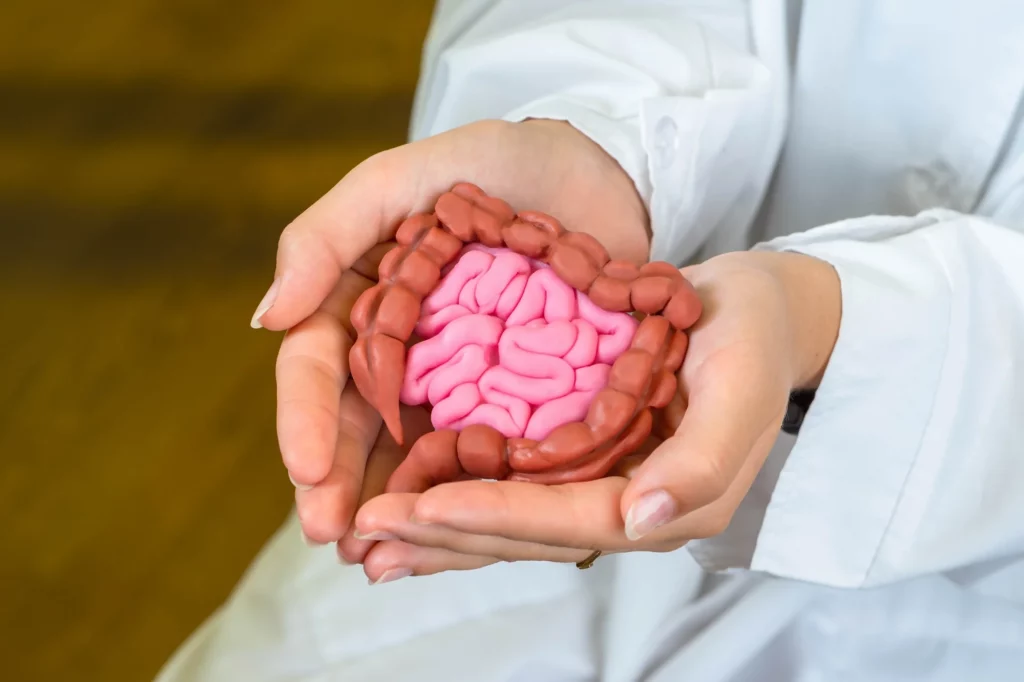
The colon, a key part of the digestive system, plays a crucial role in overall health. As colon-related health problems become more common, adopting preventive measures to keep it in optimal condition is essential. According to the World Health Organization (WHO), colon diseases affect millions of people worldwide. Colon cancer, for example, is the third most common type of cancer globally, with approximately 1.8 million new cases each year.
The Importance of Colon Health
The colon, or large intestine, absorbs water and electrolytes from digested food and forms and eliminates stool. Its proper function is essential for waste elimination and toxin prevention. A healthy colon also helps maintain the gut microbiome balance, which is crucial for efficient digestion and a strong immune system.
Main Colon Diseases
Colon diseases cover a wide range of conditions, from inflammatory to cancerous. Some of the most common include:
Irritable bowel syndrome (IBS): affects between 10% and 15% of the world’s population, causing abdominal pain, bloating, and changes in bowel habits.
Crohn’s disease and ulcerative colitis: these chronic inflammatory bowel diseases affect approximately 1.6 million people in the United States alone.
Intestinal polyps: while many are benign, some can become cancerous if left untreated.
Colon cancer: with 1.8 million new cases each year, it’s one of the leading causes of cancer death worldwide.
Preventing Colon Disease
Adopting healthy habits can significantly reduce the risk of developing colon disease. Here are some key recommendations:
- Healthy dietA balanced, fiber-rich diet is essential for colon health. Eating a variety of fruits, vegetables, legumes, and whole grains can help keep the colon clean and functioning well. Include fruits and vegetables such as apples, pears, berries, carrots, Swiss chard, squash, asparagus, cucumbers, peaches, and guava. Limit processed foods, refined flours, sugar, saturated fats, red meat, and cured meats.
- HydrationWater is essential for the digestive process. Drinking at least one and a half liters of water a day helps keep stools soft and easier to pass through the colon. Avoid excessive soda and sugary juice.
- Regular exerciseRegular physical activity improves overall health and supports healthy bowel transit. Activities like walking, swimming, cycling, and running are especially beneficial.
- Bowel habitsEstablishing regular bathroom routines can help prevent constipation and other bowel problems. Not holding in the urge to use the restroom is important, since doing so can harden stools and make them harder to pass.
- Stress reductionChronic stress can negatively affect digestive health. Practicing relaxation techniques such as yoga, meditation, and deep breathing can be very helpful.
Medical Interventions and Alternative Treatments
Colon hydrotherapyColon hydrotherapy, a procedure that cleanses the colon using water at varying pressures and temperatures, can be a useful option for some people. It’s recommended a couple of times per year, under medical supervision.
EnemasHome enemas are another option for cleansing the colon. Using an enema kit on a weekly basis may help keep the intestine clean and free of toxins. However, it’s important to proceed with caution and consult a healthcare professional before starting.
Preventing colon disease requires a multifaceted approach. Adopting a healthy diet, staying hydrated, exercising regularly, and establishing good bowel habits are fundamental steps for keeping the colon in optimal condition. Medical interventions such as colon hydrotherapy and enemas may also provide additional benefits. By taking these steps, you’ll not only improve your colon health, but also contribute to your overall wellbeing.
Caring for your colon is a long-term investment in your health. Prevention is the key to avoiding more serious complications and enjoying a full, healthy life.