
Maintaining optimal cardiovascular health requires a constant balance in the force with which blood circulates through the body. While most medical attention focuses on high blood pressure, understanding how to raise blood pressure safely is essential for those who experience sudden drops that affect their quality of life. At its core, blood pressure is the force blood exerts against artery walls as the heart pumps it; when levels fall below functional ranges, the body struggles to deliver oxygen to vital organs, triggering a series of physiological responses that need to be managed.
Addressing low blood pressure isn’t simply a matter of comfort, it’s a clinical need to prevent more serious risks. Knowing how to identify the symptoms of low blood pressure and acting promptly can help prevent accidental fainting and traumatic falls (especially dangerous for older adults), as well as life-threatening shock. Stable blood pressure ensures the brain, kidneys, and heart receive a steady flow of nutrients, helping them function without cellular stress. Learning how blood pressure is regulated is the first step toward responsible, informed self-care.
Today, blood pressure management has advanced through digital monitoring devices and a deeper understanding of personalized medicine. Raising blood pressure now means combining traditional, evidence-based remedies with a data-driven preventive approach, allowing each person to find the right balance for their specific metabolism.
What Is Low Blood Pressure? (Normal Values vs. Hypotension)
To understand when intervention is needed, it helps to first define the standard for cardiovascular health. Blood pressure is measured in millimeters of mercury (mmHg) and expressed as two values that reflect the circulatory system’s pace.
Understanding Systolic and Diastolic Pressure
Systolic pressure is the higher number in a reading, reflecting the moment the heart contracts to push blood into the arteries. Diastolic pressure is the lower number, indicating the pressure in the arteries when the heart muscle is at rest between beats. A “normal blood pressure” range is generally around 120/80 mmHg. Any significant deviation from these numbers warrants attention, since the body is designed to function optimally within these specific parameters.
The Threshold for Hypotension
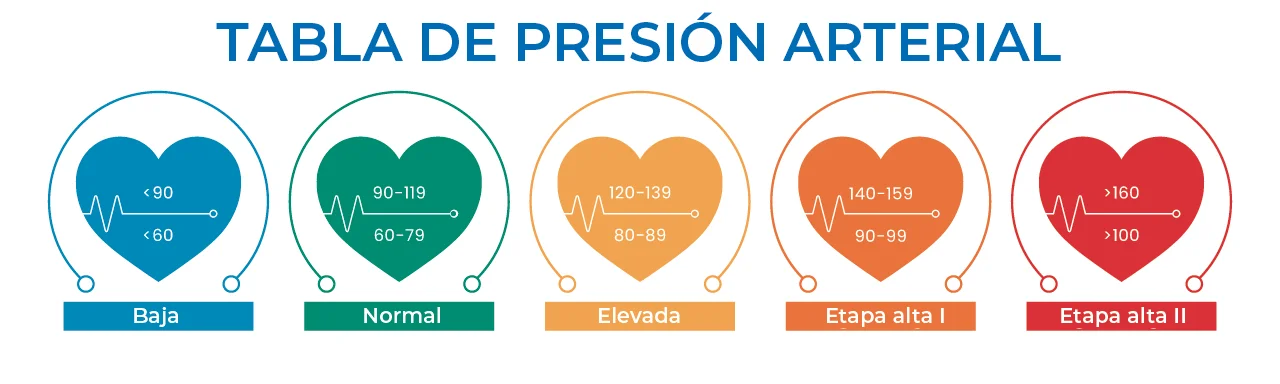
Technically, a person has low blood pressure, or hypotension, when their systolic reading is below 90 mmHg or their diastolic reading is below 60 mmHg. It’s worth noting that for some athletes or lean individuals, these values may be normal and pose no risk. However, clinical concern arises when these low levels are accompanied by physical discomfort, indicating that the circulating blood volume isn’t sufficient to meet the body’s metabolic demands.
The Most Common Symptoms of Low Blood Pressure
Recognizing the symptoms of low blood pressure is crucial for acting before a fainting episode occurs. Common signs include dizziness or lightheadedness when standing up, blurry or “foggy” vision, and unexplained fatigue that drains energy quickly. In more pronounced cases, nausea, difficulty concentrating, and unusually cold, pale skin may appear. These are warning signals from the nervous system indicating that blood flow to the brain is dangerously decreasing.
What to Do to Raise Blood Pressure Quickly: Immediate Actions
When facing an acute episode, knowing how to raise blood pressure quickly can be the difference between a scare and a medical emergency. Physical maneuvers and immediate adjustments can help redistribute blood volume to the upper body efficiently.
Postural Rescue Maneuvers
If you feel faint, the most effective action is to lie down and raise your legs above heart level. This position, known in first aid as the Trendelenburg position, uses gravity to help blood return from the lower limbs to the trunk and head. If you’re seated, you can cross your legs firmly or tense your thigh muscles; these contractions act as natural pumps that push blood upward, helping stabilize blood pressure within minutes.
Hydration and Sodium Rescue
One of the most direct ways to raise blood pressure naturally is to drink fluids immediately. A large glass of water increases plasma volume and improves vascular response. If the drop is evident, consuming something slightly salty, like a pinch of salt under the tongue or a light broth, can temporarily help retain fluids in the bloodstream. However, do this with caution and only if there are no contraindications, such as kidney problems or a history of high blood pressure.
Use of Compression Garments
For those who experience recurring episodes of orthostatic hypotension, compression stockings are a valuable therapeutic tool. These garments apply graduated pressure to the ankles and calves, preventing blood from pooling in the legs while standing. By improving venous return, compression stockings help maintain more stable blood pressure throughout the day, reducing dizziness and allowing the person to move around more safely and confidently.

Common Causes Behind Low Blood Pressure
Understanding why blood pressure drops is a complex process, since this can result from simple environmental factors or underlying medical conditions that require a thorough professional diagnosis.
External Factors and Dehydration
The most common and reversible cause of low blood pressure is dehydration. When the body loses more water than it takes in, total blood volume decreases, lowering arterial pressure. This frequently occurs after intense exercise, prolonged heat exposure, or during bouts of fever or diarrhea. Without enough fluid, the circulatory system loses its transport capacity, which is why drinking water is always the first recommendation when seeking to raise blood pressure naturally.
Cardiac and Hormonal Issues
Sometimes, hypotension is a symptom of the body’s main “engine” not working properly. Conditions such as bradycardia (a very slow heart rate), heart valve problems, or even the aftermath of a heart attack can prevent the heart from pumping enough blood. The endocrine system also plays a vital role; thyroid or adrenal gland disorders can disrupt hormone production that regulates blood pressure, causing chronic drops that don’t respond to dietary changes alone.
Nutritional Deficiencies and Anemia
Blood quality depends directly on what we eat. A prolonged deficiency in vitamin B12 and folic acid can lead to insufficient or defective red blood cell production, a condition known as anemia. With fewer oxygen carriers in the blood, the body may respond by lowering blood pressure. In these cases, raising blood pressure naturally necessarily involves a nutritional review to ensure the body has the raw materials it needs to produce healthy blood.
Foods That Help Stabilize Blood Pressure
Diet is one of the most powerful tools for long-term blood pressure management. Choosing the right foods helps maintain energy and keep pressure within safe ranges without relying solely on medication.
The Role of Sodium and Electrolytes
While we’re usually cautioned about excess salt, for those with low blood pressure, sodium is a strategic ally. A moderate, supervised increase in dietary salt helps retain water in the arteries, raising blood pressure sustainably. This isn’t about eating processed foods, but about adding quality salt to fresh ingredients. Electrolyte-rich foods such as bananas and coconut water also help keep the electrical impulses of the heart and muscles stable.
Small Portions and Meal Frequency
Postprandial hypotension occurs when blood rushes to the digestive system after a large meal, causing dizziness. To avoid this, professionals recommend eating smaller meals more frequently throughout the day. By reducing the stomach’s workload in each session, blood pressure is less likely to drop sharply. Prioritizing lean proteins and complex carbohydrates allows for gradual energy absorption, keeping blood pressure on a much more stable and predictable curve.
Natural Drinks and Caffeine
Many people wonder whether stimulants can help raise blood pressure. Coffee or caffeinated tea can provide a temporary, quick boost by stimulating the nervous system and raising heart rate. However, this effect is short-lived and can cause dehydration if consumed in excess. Other natural options include licorice (in tea form), known for its blood-pressure-raising properties, although its use should be strictly moderate and discussed with a specialist to avoid side effects.
When to Seek Emergency Medical Care
It’s vital to distinguish between a passing dizzy spell and a situation that puts physical integrity at risk. Low blood pressure isn’t always benign and can escalate to critical states quickly.
Signs of Shock and Severity
If low blood pressure is accompanied by severe confusion, rapid, shallow breathing, a weak but fast pulse, or extreme cold in the skin, this may indicate shock or cardiogenic shock. This is a serious medical emergency in which the heart and organs are not receiving enough oxygen. In this scenario, do not attempt to find a medication to raise blood pressure on your own, call emergency services immediately to receive advanced life support and intravenous fluids.
Diagnosis and Professional Follow-Up
If you repeatedly experience symptoms of low blood pressure, seeing a cardiologist is essential. The diagnostic process typically includes a review of medical history, blood tests to rule out anemia or hormonal problems, and specific tests such as an electrocardiogram or tilt table test. Only a professional can determine whether the cause is postural, nutritional, or requires specific pharmacological treatment, ensuring the strategy used to raise blood pressure fits your health profile.
At ABC Medical Center’s Cardiovascular Center, we can provide you with specialized care. Contact us!
Frequently Asked Questions
- How can I raise my blood pressure quickly?
The fastest approach is to lie down and raise your legs to 45 degrees to promote blood flow to the brain, and drink a glass of water with a pinch of salt if there are no medical contraindications.
- How can I raise my blood pressure urgently at home?
In addition to raising your legs, you can drink a salted broth or a strong coffee. Avoid sudden movements and stay in a cool, well-ventilated area.
- What drink raises blood pressure?
Coffee, black tea, and electrolyte drinks are effective short-term options. Mineral water with a touch of lemon and salt is also a good natural option.
- What should you do when blood pressure is low?
First, sit or lie down to prevent falls. Then hydrate well and consume something slightly salty. If symptoms persist, seek medical attention.
- What is the lowest blood pressure can be?
Clinical hypotension is defined as below 90/60 mmHg. Values lower than this, accompanied by fainting or confusion, are immediate warning signs.
- What raises blood pressure most effectively?
In the short term, sodium (salt) and caffeine produce the most noticeable increase in blood pressure, followed by intravenous fluids in clinical settings.
- Is there medication to raise blood pressure?
Yes, medications such as fludrocortisone or midodrine exist, but these should only be prescribed by a doctor after a diagnosis of severe chronic hypotension.
- Does chocolate help raise blood pressure?
Dark chocolate with high cacao content may help slightly because of its flavonoids and small amount of caffeine, but its effect is minor compared to saltwater.