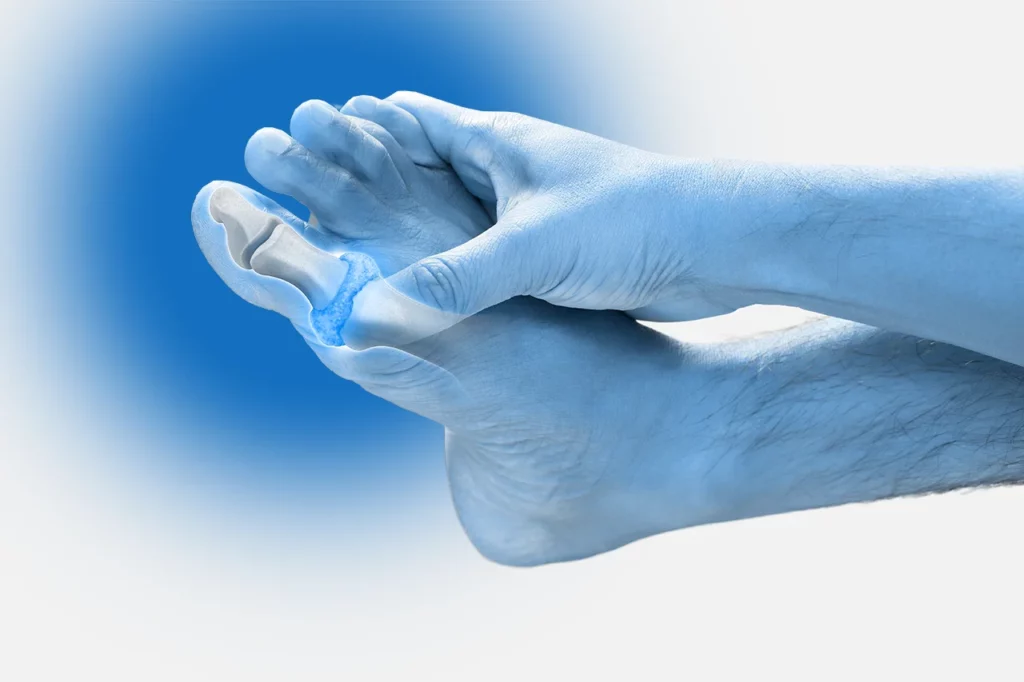
Identifying uric acid symptoms such as pain and swelling is essential for early diagnosis and proper treatment.
What is uric acid
Uric acid is a compound that the body produces as a result of purine breakdown, a substance found both in food and in the body’s cells.
Purines are present in foods such as red meat, shellfish, oily fish, and alcoholic beverages, especially beer.
Under normal circumstances, uric acid dissolves in the blood and is eliminated through the kidneys in the urine. However, if the body produces too much uric acid or the kidneys fail to remove it properly, the levels of this compound increase, a condition known as hyperuricemia.
Hyperuricemia does not always cause symptoms, but when it does, it may lead to health problems such as gout, kidney stones, or joint damage, making it essential to maintain healthy uric acid levels.
Symptoms of high uric acid
There are various uric acid symptoms, but they usually develop when levels are excessively high. The most common are:
- Joint pain: this condition is known as gout and is one of the most common complications of high uric acid. It occurs when urate crystals accumulate in the joints, causing inflammation and intense pain. Pain often appears suddenly, especially at night, and most commonly affects the big toe, though it may also occur in the ankles, knees, wrists, or elbows.
- Swelling and redness: during gout episodes, affected joints may become swollen and turn reddish due to the inflammatory response.
- Tophi formation: tophi are deposits of uric acid crystals under the skin that may appear on the fingers, elbows, ears, or around joints, causing discomfort and deformities.
- Kidney problems: high uric acid levels may affect the kidneys, resulting in kidney stones. This condition may cause symptoms such as severe pain in the back or sides, nausea, vomiting, and difficulty urinating.
- Changes in urine: high uric acid may cause urine to appear darker or have a stronger odor. There may also be difficulty urinating due to crystals or associated kidney damage.
- General discomfort: sometimes fever, fatigue, and a general sense of discomfort occur during gout episodes or when uric acid levels are significantly elevated.
How to lower uric acid
Knowing how to lower uric acid is essential to prevent complications that may seriously affect a person’s health.
Dietary changes are key since nutrition plays a crucial role in managing uric acid. Recommendations include reducing purine intake by avoiding foods rich in purines, limiting alcohol consumption, eating more fruits and vegetables, and avoiding excess fructose in sugary drinks or processed foods.
Proper hydration helps the kidneys eliminate uric acid through urine.
Overweight and obesity are linked to elevated uric acid, so gradual weight loss may significantly improve kidney function and reduce uric acid production.
Long fasting periods may increase uric acid production, so prolonged fasting should be avoided.
Regular exercise helps maintain a healthy weight and improve metabolism.
Regular checkups are important for monitoring uric acid levels, especially for individuals with a history of gout or kidney stones, or a family history.
In addition to lifestyle changes, medications may be required to help reduce uric acid levels in some cases.
Since anyone can develop this condition, recognizing high uric acid symptoms is essential, as it enables early detection before it causes damage to the body and promotes timely medical evaluation.
At the ABC Medical Center’s Internal Medicine Department, we can provide you with specialized care. Contact us!
Fuentes:
MedlinePlus, Cigna, KidsHealth