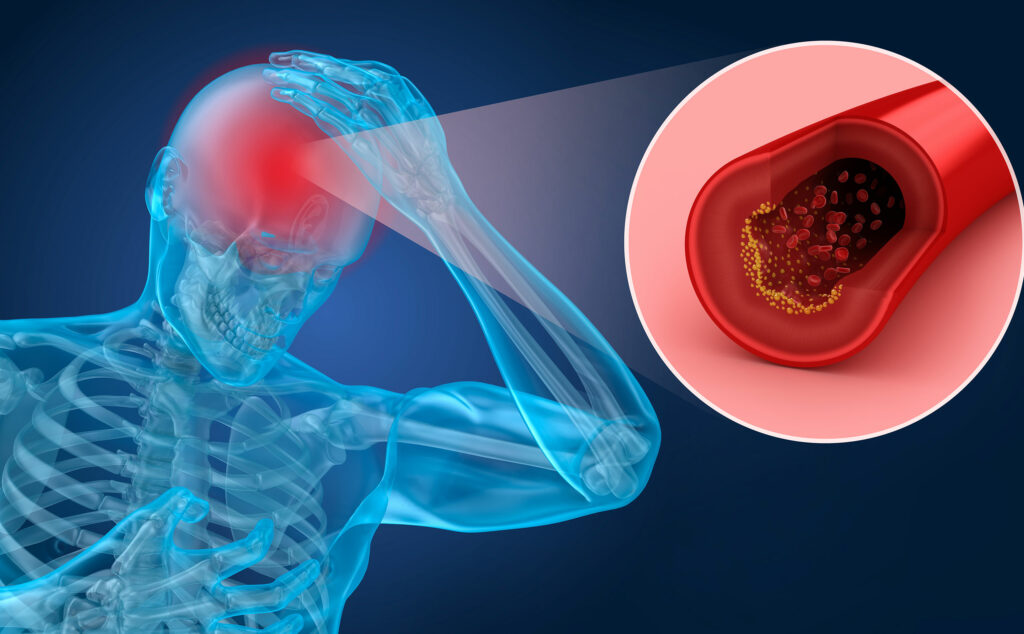
Identifying stroke symptoms early is essential to act quickly, preventing severe complications or even death. When this event occurs, time becomes the most critical factor for survival and recovery.
What Is a Stroke?
Formally known as a cerebrovascular accident (CVA), but commonly referred to as a stroke, brain infarction, or brain bleed, this condition occurs when the brain is deprived of oxygen due to an interruption in blood flow.
Strokes happen when the blood supply to the brain is suddenly reduced or cut off, preventing brain tissue from getting oxygen and nutrients. Because brain cells begin to die within seconds or minutes, a stroke is classified as an absolute medical emergency, and immediate treatment is crucial to the patient’s health.
What Causes a Stroke?
There are various causes of a stroke. Generally, it is triggered by an alteration in blood flow through the cerebral arteries—either due to a physical obstruction or the rupture of a blood vessel.
Factors such as high blood pressure, excessive use of blood thinners (anticoagulants), the presence of blood clots, or aneurysms in the blood vessel walls are among the main causes behind this condition. Regardless of the underlying cause, the result is a lack of oxygen to the brain tissue.
Types of Stroke
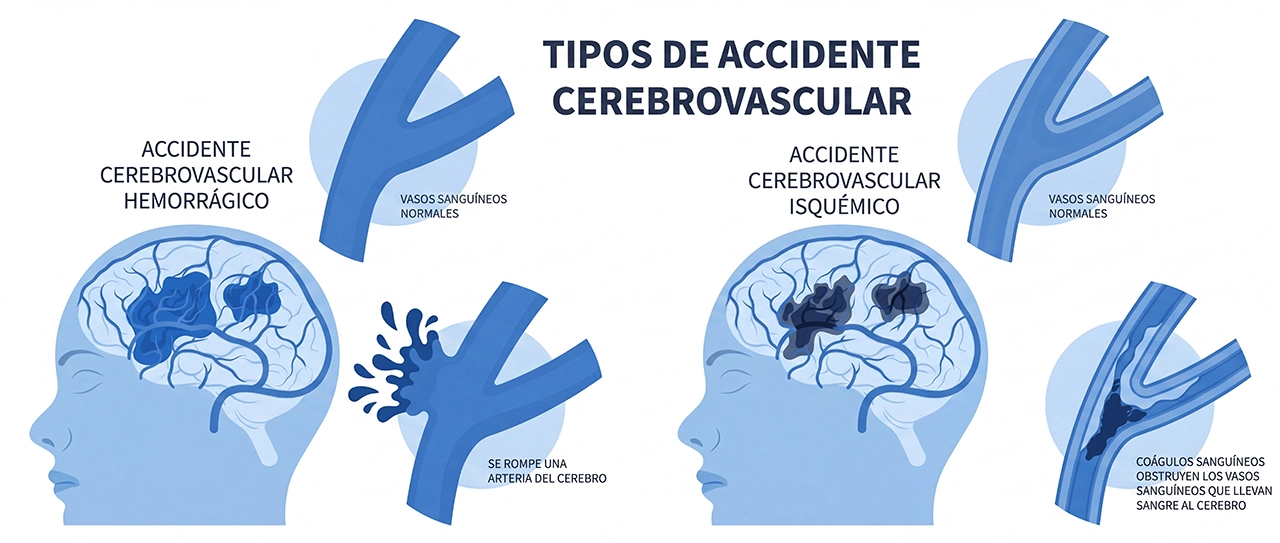
To fully understand this condition, it is necessary to know that it is divided into different categories based on its underlying cause:
Ischemic Stroke
This is the most common cause of a stroke. It occurs when blood vessels in the brain become blocked or narrowed, significantly reducing blood flow (a condition known as ischemia). This occlusion can be caused by a local thrombus, a distant blood clot that travels and lodges in the cerebral circulation, or diseases affecting the vasculature. The presence of a blood clot in the brain results in the blockage of blood circulation.
Hemorrhagic Stroke
This type occurs due to the rupture of an artery or blood vessel in the brain, producing a hemorrhage that leads to brain injury or compression. It can occur intracerebrally or on the surface of the brain. It is commonly associated with uncontrolled high blood pressure, blood vessel malformations, head trauma, or the bulging of an artery (an aneurysm). Additionally, a previous ischemic event can weaken the vessel, resulting in a hemorrhagic event.
Transient Ischemic Attack (TIA)
There is a third type known as a Transient Ischemic Attack (TIA). This involves a temporary period during which the same symptoms as a stroke appear, but the interruption of blood flow is brief and does not cause permanent damage to brain cells. However, it should never be ignored, as it often serves as a strong warning sign that a major stroke could occur in the future.
Symptoms of a Stroke
Regardless of the type of stroke, identifying stroke warning signs in a timely manner is vital. Although loss of muscle strength in the arms, legs, or face is the most frequent symptom, other stroke symptoms include:
- Confusion: Sudden difficulty speaking, slurring words, or understanding what others are saying.
- Visual Disturbances: Sudden changes in vision in one or both eyes, ranging from blurred vision to dark spots or double vision.
- Dizziness and Loss of Balance: Difficulty walking, stumbling, or loss of motor coordination.
- Severe Headache: A sudden, intense headache with no apparent cause, which may be accompanied by dizziness, vomiting, or fainting.
- Numbness or Paralysis: Loss of sensation in the face, arm, or leg, typically affecting only one side of the body.
- Loss of Consciousness: Fainting or states of severe disorientation.
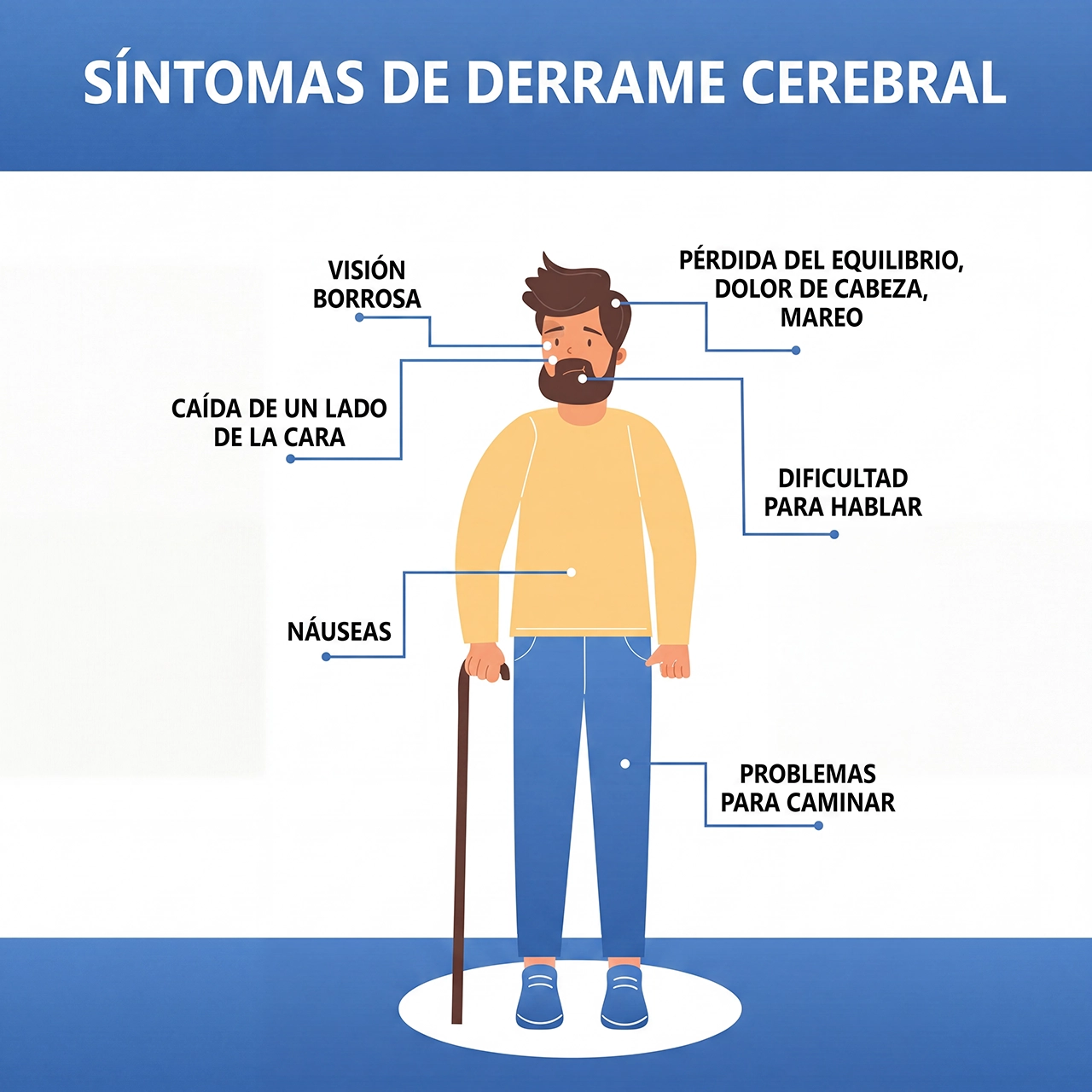
The presence of symptoms will not vary based on the type of stroke (ischemic or hemorrhagic); rather, the manifestations depend on the specific area of the brain being affected as well as its severity.
First Symptoms of a Stroke
Knowing how a stroke starts or how it feels in its initial stages saves critical time and lives. Warning signs or symptoms prior to a major stroke usually appear suddenly and unexpectedly.
Paying attention to potential stroke symptoms—such as a slight asymmetry in a smile, brief tingling in an arm, or slurring words for just a few seconds—represents the ideal window of opportunity to seek medical help before stroke damage or consequences become irreversible.
High Blood Pressure and Stroke: Warning Signs
High blood pressure (hypertension) is the most significant modifiable risk factor for a stroke. A stroke caused by high blood pressure occurs because the sustained force of blood damages and weakens arteries over time, making them more prone to rupture (hemorrhagic) or to accumulate fat and become blocked (ischemic).
It is essential to clarify that high blood pressure stroke symptoms are no different from those triggered by other causes; the warning signs (loss of strength, speech difficulty, visual disturbances) strictly depend on the affected area of the brain, not the triggering factor. Regular blood pressure monitoring is the best early detection tool.
What to Do During a Stroke
If you suspect that you or someone near you is experiencing a stroke, follow this rapid action protocol:
- Identify the Signs: Check if the person loses strength or sensation on one side of their body, if one side of their face droops when attempting to smile, or if they have trouble speaking or understanding.
- Call Emergency Services Immediately: If the answer is yes to one or more of these situations, immediately take the person to an emergency room at a specialized stroke center or call an ambulance for transport.
- Do Not Wait: It is of utmost importance to act immediately and not wait to see if symptoms disappear spontaneously. During a stroke, every second counts.
- Note the Time: If possible, write down the exact time the first symptoms began, as this information is crucial for the medical team when selecting the treatment strategy.
Treatment for Stroke
Stroke treatment depends directly on the type of event, the time elapsed since the onset of initial symptoms, and the patient’s overall status upon arriving at the hospital.
- Ischemic Stroke (Blood Clot): If the patient arrives within the first 3 to 4 hours following the incident, intravenous medication designed to dissolve the clot can be administered. Specialized procedures, such as using a catheter through the arteries to physically remove the blockage, may also be used.
- Control of Critical Factors: In the emergency room, fast-acting medications are used to manage blood pressure, glucose levels (in cases of diabetes), or high cholesterol. In-hospital use of blood thinners or antiplatelet agents is also common based on medical evaluation.
- Surgery: In situations involving brain hemorrhages or aneurysms, special surgical procedures may be required to relieve intracranial pressure or prevent future strokes.
- Post-Stroke Rehabilitation: After overcoming the medical emergency, the patient will likely require support from a multidisciplinary team to address any long-term effects. This includes physical therapy, occupational therapy, speech and language therapy, or nutritional and feeding support, depending on the extent of damage and how quickly care was received.
How to Prevent a Stroke
In daily life, we can adopt multiple actions and habits aimed at preventing a stroke and drastically reducing risk factors:
- Control Blood Pressure: Maintain healthy readings through regular checkups.
- Monitor Cholesterol: Prevent high levels of fatty plaque buildup in the arteries (atherosclerosis), which often triggers embolisms or brain infarctions.
- Manage Diabetes: Keep blood glucose levels under strict medical supervision.
- Quit Smoking: Tobacco use severely damages blood vessel walls.
- Reduce or Eliminate Alcohol Consumption: Alcohol abuse raises blood pressure and the risk of hemorrhages.
- Engage in Physical Activity: A sedentary lifestyle increases cardiovascular risk; regular moderate exercise is recommended.
- Address Overweight and Obesity: These conditions are closely linked to arterial issues, alongside high stress levels.
- Monitor Heart Conditions: Conditions such as arrhythmias require continuous follow-up, as they can generate clots that travel to the brain.
If you have one or more of these risk factors, regular visits to your doctor are the most effective preventive measure to avoid any emergencies.
At the Brain Infarction Area at Centro Médico ABC, we provide specialized care. Contact us today!
Frequently Asked Questions
Fuentes: Cruz Roja, UCSF Health, UI Health