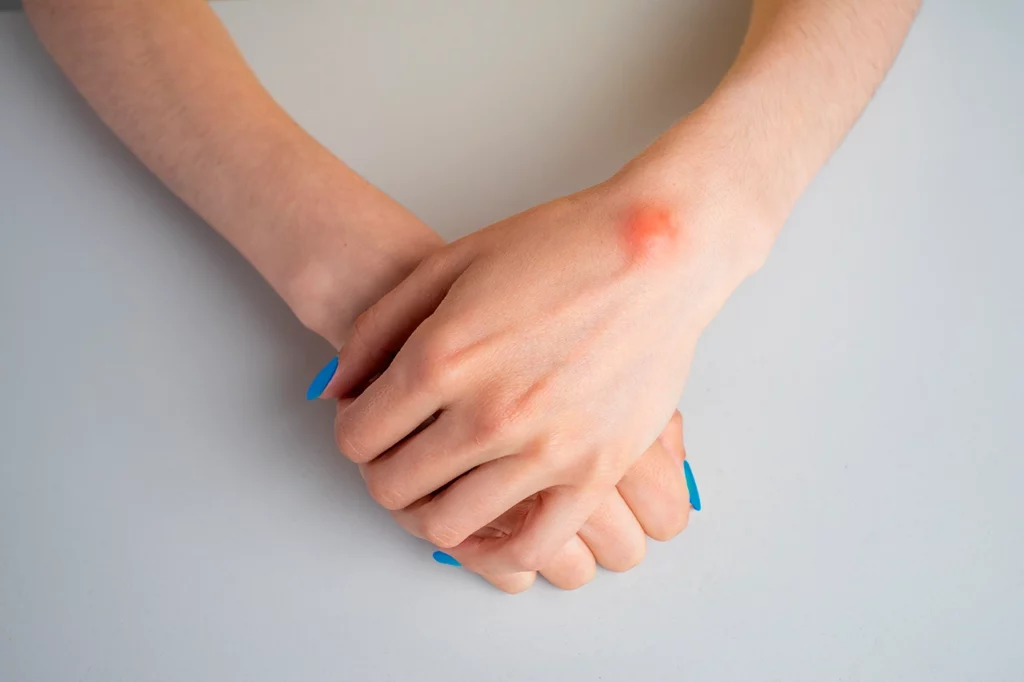
The sudden appearance of an unexpected lump or bump on the body often triggers immediate alarm. To understand what a cyst is, picture it as a closed sac or capsule, like a small pouch, that can contain liquid, gas, or semi-solid material. These formations are not a disease in themselves, but rather a response or structural abnormality that can appear in virtually any tissue in the body, from the surface of the skin to deep within vital organs such as the kidneys or brain.
Approaching this situation with accurate information is essential, since a lack of knowledge often leads to unnecessary anxiety or, conversely, dangerous negligence. While most cysts are benign (non-cancerous), their clinical significance lies in their ability to compress adjacent structures, cause chronic pain, or indicate an underlying condition that requires attention. Identifying their nature early makes it possible to distinguish between a formation that only needs monitoring and one that requires surgical intervention to prevent serious complications such as severe infection or internal rupture.
Today, high-resolution imaging has advanced diagnosis significantly, allowing incidental detection at very early stages. The future of cyst management is moving toward minimally invasive procedures and deeper genetic analysis to understand why some people are predisposed to developing them. In this guide, we’ll explore their origin and management in depth, clarifying one of the most common topics in modern clinical practice.
What Is a Cyst and Why Do They Form?
A cyst is a cavity surrounded by a well-defined membrane that separates it from the surrounding tissue. Unlike generalized inflammation, a cyst has its own structure. Its formation responds to multiple factors but generally occurs when fluid becomes trapped and the body, in an attempt to protect itself, forms a capsule around it. Understanding what a cyst is means recognizing that, while they may visually resemble other lesions, it’s the internal composition that defines their behavior and the appropriate course of treatment.
The Difference Between a Cyst, a Tumor, and an Abscess
Patients often confuse these three terms, but their differences matter. A cyst is a sac filled with liquid or air and is almost always benign. A tumor, on the other hand, is a solid mass of tissue formed by abnormal cell growth that can be either benign or malignant (cancerous). An abscess is an accumulation of pus caused by an active bacterial infection, unlike a cyst, an abscess is usually warm to the touch, very red, and causes acute, sharp pain due to the underlying inflammation and infection.
Key Characteristics of These Formations
Cyst characteristics vary by location, but they share common features. They tend to grow slowly and range from very soft (like a water balloon) to firm if the internal material is keratin or dense fat. Most are mobile under the skin, unless located in internal organs or attached to deeper tissue layers. They can range from microscopic structures to masses several centimeters in size that alter body contour or organ function.
The Most Common Types of Cysts
The classification of these formations is extensive, as virtually no part of the human body is immune to their appearance. Their names typically derive from the tissue where they originate or from the material they contain.
Cutaneous Cysts: Sebaceous and Epidermal
The sebaceous cyst is one of the most widely recognized. It originates from the sebaceous glands that lubricate the skin with fat. When the duct of one of these glands becomes blocked, it can form what is commonly called a sebaceous cyst, although many are technically epidermal cysts that contain keratin and are often located on the face, neck, and back. Another common type found in the lower back near the coccyx is the pilonidal cyst, which typically contains hair and skin debris and is prone to painful infection.
Cysts in Internal Organs: Renal, Hepatic, and Pancreatic
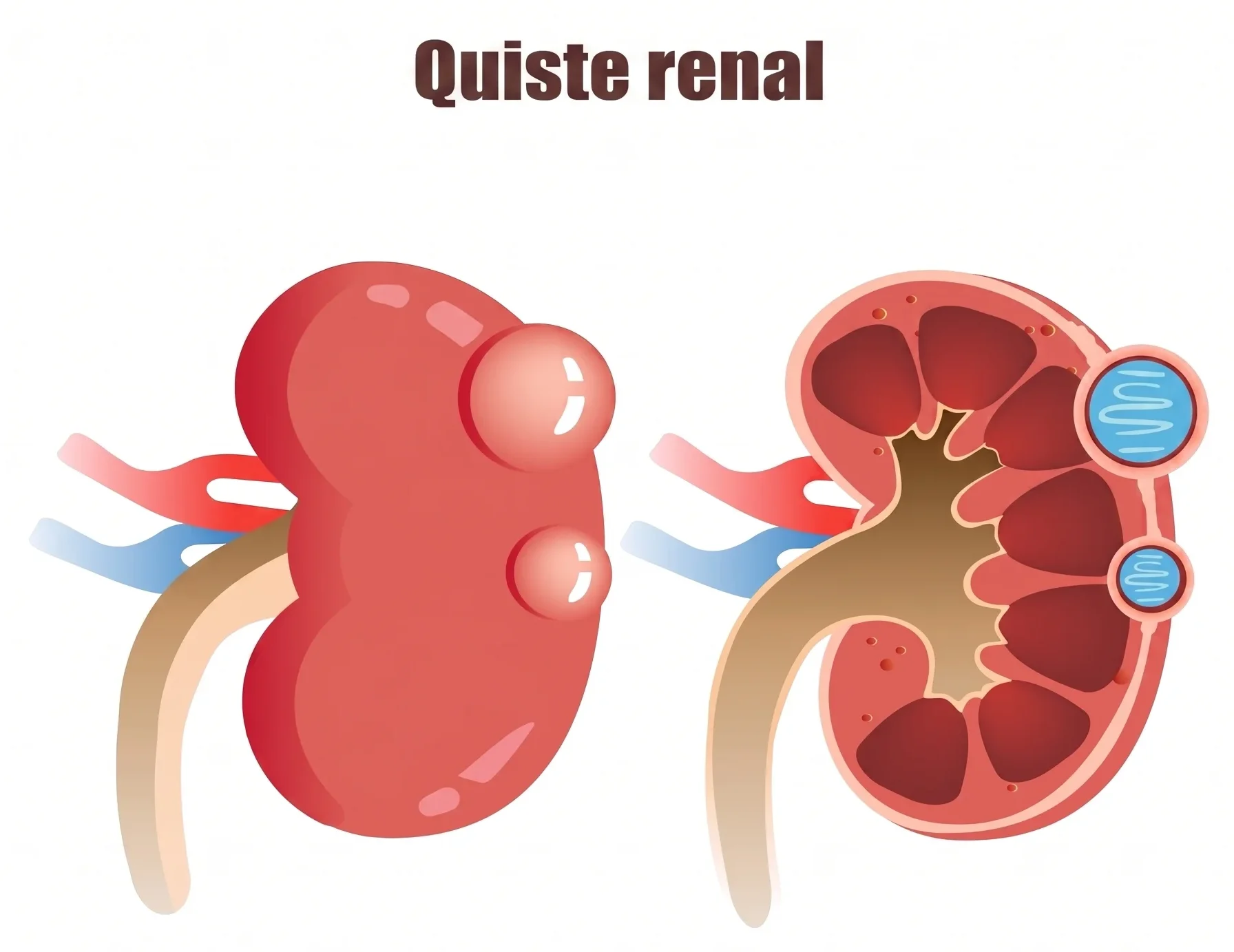
Inside the body, cysts are often incidental findings. Simple renal cysts are very common in older adults and generally don’t affect kidney function. However, genetic conditions such as polycystic kidney disease fill the kidneys with multiple cysts, compromising their health. In the liver, cysts can be simple or result from parasitic infections. Pancreatic cysts, on the other hand, require close monitoring, since some can become malignant over time.
Gynecological Cysts: Ovarian and Bartholin’s
In women’s health, ovarian cysts are one of the primary reasons for seeking care. It’s important to understand what a functional ovarian cyst is: it forms during a normal menstrual cycle and usually resolves on its own. However, other types, such as dermoid cysts or endometriomas, require closer attention. Bartholin’s cysts appear at the entrance of the vagina when the glands responsible for lubrication become blocked. Naboth cysts are small, benign formations that appear on the surface of the cervix, are extremely common, and are generally asymptomatic.
Ganglion Cysts (Common in Wrists and Hands)
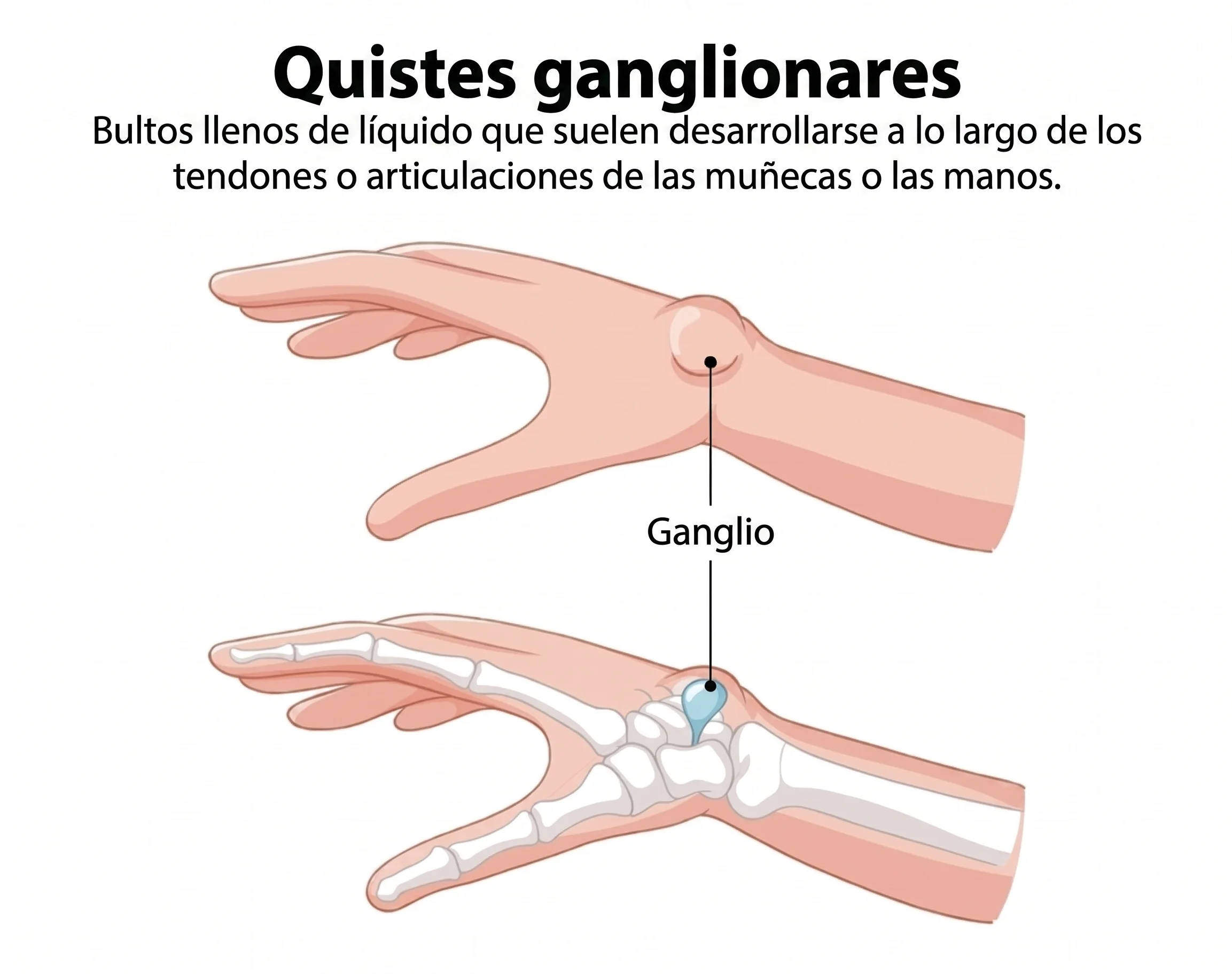
The synovial cyst, also known as a ganglion cyst, presents as a firm, rounded lump that appears near joints or tendons. A synovial cyst is defined by its contents: a thick, viscous fluid similar to the one that lubricates joints. They’re very common in the wrists and, while they may be painless, sometimes press on nearby nerves, causing weakness or tingling in the hand.
Causes: Why Do Cysts Form?
The causes behind cysts are as diverse as their types. No single reason exists; instead, a combination of biological and environmental factors triggers their formation.
Genetic Factors and Developmental Defects
Many people have a hereditary predisposition to developing cysts. Conditions such as polycystic kidney disease or Gardner syndrome clearly show how DNA dictates the appearance of these structures. Additionally, during embryonic development, tissues can become trapped in places where they don’t belong, giving rise to bronchial or dermoid cysts that are present from birth but may not manifest until years later.
Blockage of Ducts or Glands
This is the most common mechanical cause. The human body has many glands that secrete fluids (sweat, fat, hormones, saliva). If the exit channel of one of these glands becomes blocked by an accumulation of dead cells or thick secretions, fluid continues to be produced but has nowhere to go, causing the tissue to expand and form a cystic sac. This is the typical origin of sebaceous and Naboth cysts.
Chronic Inflammatory Processes and Infections
The body uses encapsulation as a defense mechanism. When a persistent infection or a foreign agent exists that the immune system cannot fully eliminate, the body “builds” a wall around it to isolate it. This is common in certain types of dental cysts caused by old cavities and in cysts of parasitic origin, where the cyst contains the pathogen and prevents it from spreading through the rest of the organ.
Previous Injuries or Trauma
A strong blow or repetitive injury can damage internal tissues, leading to an accumulation of lymphatic fluid or blood that isn’t properly reabsorbed. Over time, this fluid may be surrounded by a membrane, forming a post-traumatic cyst. Baker’s cysts, which appear behind the knee, show how a meniscus injury or arthritis can cause synovial fluid to accumulate outside its normal location.
Symptoms and Warning Signs
Identifying symptoms is the first step toward proper management. Symptom presentation depends entirely on the cyst’s location in the body.
How to Identify a Superficial Cyst
Cysts appearing beneath the skin are usually detected by touch, feeling like a rounded protrusion that shifts slightly when pressed. They often have a small central pore (blackhead) through which the internal material tries to exit. If the cyst is sebaceous, it may release a distinctive odor if some of its contents drain. Generally, they don’t hurt unless they grow too large or become inflamed from friction with clothing.
Symptoms of Internal Cysts: Pain, Pressure, and Functional Changes
When a cyst is located in an organ, symptoms are indirect. An ovarian cyst may cause a feeling of pelvic heaviness or menstrual irregularities. In the kidneys or liver, very large cysts can produce a dull ache in the side or abdomen. In more specific cases, a cyst in the brain (such as an arachnoid cyst) may manifest as persistent headaches, dizziness, or in severe cases, seizures, due to increased intracranial pressure.
When Is a Cyst Asymptomatic?
Many cysts live with us for years without giving any signs of their presence. They’re “silent” when small and don’t interfere with organ function or press on nerve endings. In these cases, doctors usually find them incidentally during a routine checkup or an ultrasound done for another reason. Being asymptomatic is generally a good sign, but it doesn’t eliminate the need for professional follow-up.
Diagnosis: How Do You Know If You Have a Cyst?
Self-diagnosis is dangerous, especially when it comes to body masses. The specialist will use several tools to confirm the lesion’s nature.
Imaging Studies: Ultrasounds, CT Scans, and MRIs
Ultrasound is the first-line tool, it allows the physician to see whether the mass is solid or fluid-filled, which is key to confirming what a cyst is. For deeper or more complex locations, such as the spine or abdomen, computed tomography (CT) or magnetic resonance imaging (MRI) provides a detailed view of the cyst wall and its relationship to surrounding blood vessels and nerves.
Fine Needle Aspiration: When Is It Necessary?
If there’s any doubt about the benign nature of the formation, the physician may perform a fine needle aspiration biopsy (FNAB). This procedure involves extracting a sample of the liquid content for laboratory analysis. It’s a quick technique that helps rule out cancerous cells and, in some cases, also provides temporary relief by draining the cyst and reducing pressure.
Available Treatments
Not all cysts require surgery. Treatment is personalized based on the type, size, and level of discomfort caused.
- Medical observation: many functional cysts resolve on their own. The physician simply schedules periodic checkups.
- Drainage and aspiration: useful for cysts causing pain due to their volume. The fluid is extracted, though the cyst may refill if the capsule isn’t removed.
- Corticosteroid injections: sometimes used for synovial cysts to reduce inflammation and help the formation shrink.
- Surgical excision (cystectomy): the definitive solution. The surgeon removes both the contents and the surrounding membrane to prevent recurrence.
When Should You Be Concerned?
Although we’ve emphasized their benign nature, some situations require immediate medical attention. A sudden change in a cyst’s behavior is the primary red flag.
Signs of Rupture or Infection
If a cyst ruptures internally, it can release its contents into the body cavity, causing severe irritation or peritonitis if it occurs in the abdomen. Signs of infection (infected cyst) include intense heat in the area, spreading redness, throbbing pain, and, most importantly, fever or chills. An infected pilonidal or Bartholin’s cyst typically requires emergency surgical drainage.
Cysts That Grow Rapidly or Change in Appearance
A cyst that changes color, suddenly becomes very hard, or grows rapidly over a few weeks should be evaluated by a specialist immediately. While this is usually due to inflammation, it’s crucial to rule out the possibility that the lesion has changed in nature or that it’s a solid tumor that was initially mistaken for a cyst.
At ABC Medical Center’s Internal Medicine area, we can provide you with specialized care. Contact us!
Frequently Asked Questions
- Can you pop a sebaceous cyst at home?
It’s not recommended. Trying to squeeze it can push the infection into deeper layers of the skin or leave part of the capsule inside, causing the cyst to return more strongly or develop into a serious abscess.
- Do ovarian cysts affect fertility?
Most functional cysts don’t affect fertility. However, conditions such as endometriomas or polycystic ovary syndrome (PCOS) do require specialized management to protect reproductive health.
- What causes a pilonidal cyst?
It’s believed to occur when loose hairs penetrate the skin in the coccyx area, creating an inflammatory reaction that forms the cyst. It’s very common in people who sit for long periods.
- Is it normal for a synovial cyst to disappear and reappear?
Yes, it’s very common. Because they’re connected to the joint, their size can fluctuate depending on physical activity or use of the affected joint.
- What is a Naboth cyst and is it dangerous?
It’s an accumulation of mucus in the cervix. Naboth cysts are completely benign, very common in women who have given birth, and almost never require medical treatment unless they’re exceptionally large.
- How do you tell a cyst apart from an inflamed lymph node?
Lymph nodes typically swell in response to a nearby infection (such as a sore throat) and tend to be more tender. Cysts are usually solitary formations that aren’t necessarily linked to an active infection.