Understanding what atrial fibrillation is is essential to recognizing it on time and receiving proper treatment. Atrial fibrillation (AFib) is the most common cardiac arrhythmia in the world, affecting millions of people and increasing the risk of complications such as heart failure or stroke.
Atrial fibrillation occurs when there is disorganized electrical activity in the atria, the upper chambers of the heart. This abnormal activity prevents the atria from contracting effectively, producing a rapid and irregular rhythm. Beyond atrial fibrillation, there are other significant arrhythmias, such as atrial flutter and ventricular fibrillation—the latter being far more severe and considered a medical emergency.
What Causes Atrial Fibrillation?
Atrial fibrillation is a multifactorial condition, meaning it can develop from a combination of cardiac and non-cardiac conditions. The most common causes of this arrhythmia include:
Heart Conditions
These are the most common factors associated with atrial fibrillation:
- High blood pressure (hypertension).
- Ischemic heart disease (prior heart attacks).
- Valvular heart disease, such as mitral stenosis or regurgitation.
- Heart failure.
- Cardiomyopathies.
These conditions alter the structure or function of the heart, disrupting the coordination of its electrical system.
Non-Cardiac Factors
Certain medical conditions can indirectly damage or alter the heart’s electrical system:
- Hyperthyroidism.
- Obesity.
- Diabetes.
- Obstructive sleep apnea.
- Severe infections.
- Chronic lung diseases.
Triggers
While not permanent causes, these factors can trigger an episode of paroxysmal atrial fibrillation:
- Excessive alcohol consumption.
- Physical or emotional stress.
- Extreme exercise.
- Recent heart surgery.
- High intake of stimulants (such as excessive caffeine).
In contrast, ventricular fibrillation has more severe causes and is usually linked to heart attacks or extensive damage to the heart muscle.
How Does Atrial Fibrillation Start?
Atrial fibrillation can begin suddenly or gradually, depending on the type and individual clinical factors. Paroxysmal AFib, for instance, starts abruptly, lasts a few hours or days, and resolves on its own.
The process begins when groups of cells in the atria start firing disordered electrical signals faster than normal. This electrical "short circuit" prevents the atria from contracting in a coordinated manner. Consequently:
- The heart beats irregularly.
- The heart rate can become rapid, causing tachycardia.
- The ventricles receive unstable signals and beat irregularly as well.
Episodes can be triggered by stress, alcohol consumption, hormonal changes, or pre-existing heart conditions.
Symptoms of Atrial Fibrillation
Symptoms vary widely. Some people feel nothing at all, while others experience significant discomfort from the very first episode.
The most common symptoms include:
- Palpitations (a sensation of "irregular beats" or "fluttering in the chest").
- Tachycardia.
- Extreme fatigue.
- Dizziness or lightheadedness.
- Shortness of breath.
- Chest pain or tightness.
- Immediate anxiety caused by the perception of an irregular rhythm.
In some cases, atrial fibrillation is detected for the first time during a routine exam because it can be asymptomatic. However, even without symptoms, the arrhythmia increases the risk of blood clot formation, making prompt medical attention essential.
Classification of Atrial Fibrillation
Atrial fibrillation classification is based on the duration of the episodes and how the condition progresses. The primary categories are:
- Paroxysmal AFib: Episodes begin abruptly and resolve on their own in under 48 hours, though they can last up to 7 days. It is intermittent and may progress to more persistent forms over time. It is often linked to triggers like alcohol or stress.
- Persistent AFib: Lasts longer than 7 days and does not resolve spontaneously, requiring treatment such as medication or electrical cardioversion.
- Long-Standing Persistent AFib: Continuous episodes lasting for more than 12 months, requiring specialized management, including options like cardiac ablation.
- Permanent AFib: The arrhythmia is accepted as continuous and indefinite. The goal of treatment shifts to controlling the heart rate and reducing complications.
Other related arrhythmias also exist, such as atrial flutter, which exhibits a more organized electrical pattern than atrial fibrillation, though both can coexist and share underlying causes.
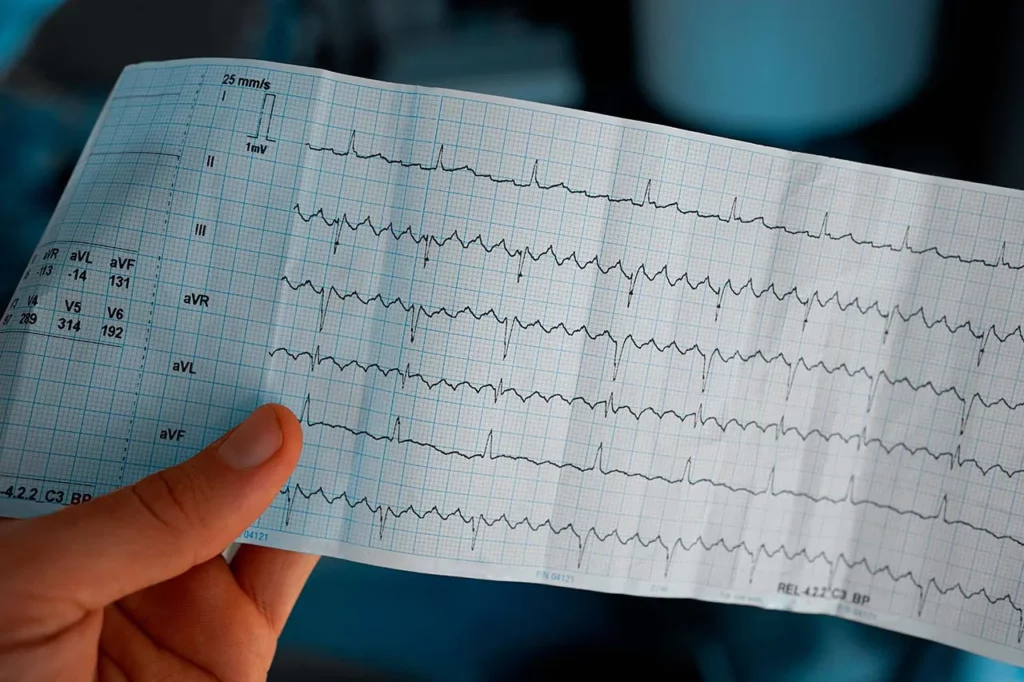
Atrial Fibrillation ECG
An electrocardiogram (ECG) is the primary diagnostic tool for atrial fibrillation. This test records the heart’s electrical activity using electrodes placed on the skin.
What Is Seen on an ECG with Atrial Fibrillation?
An ECG showing atrial fibrillation displays very specific features:
- Absence of P waves, which normally represent atrial contraction.
- Presence of "f" or fibrillatory waves, which appear as small, irregular oscillations.
- Irregular ventricular rhythm, meaning the heartbeats occur at irregular intervals.
- Rapid heart rate in many cases (tachycardia).
Additional Diagnostic Tests
While an ECG confirms the diagnosis, physicians frequently request supplementary studies:
- Echocardiogram: To evaluate the structure and function of the heart.
- Holter Monitor: Useful when episodes are intermittent.
- Laboratory Tests: Particularly thyroid function tests.
These evaluations help determine the underlying cause, severity, and optimal treatment plan for the arrhythmia.
What Should Someone with Atrial Fibrillation Avoid?
Living with atrial fibrillation does not mean losing your quality of life, but it does require adopting certain precautions to prevent new episodes and lower risks.
Activities to Avoid or Limit
- Excessive alcohol consumption: One of the main triggers for paroxysmal AFib.
- High caffeine or stimulant intake: Can elevate the heart rate.
- Extreme or unsupervised exercise: Highly strenuous routines can trigger arrhythmias.
- Self-medicating with drugs that affect heart rhythm: Decongestants or stimulants can increase the likelihood of an episode.
- Skipping prescribed medications for arrhythmia or anticoagulation: Increases the risk of blood clots and stroke.
- Unmanaged stress: Emotional stress is a common trigger.
Recommended Habits
- Engaging in regular, moderate physical activity.
- Maintaining a healthy weight.
- Managing high blood pressure, diabetes, or sleep apnea.
- Attending routine medical checkups.
- Adhering to a proper arrhythmia treatment plan, which may include medications, cardioversion, or ablation.
With these measures, most patients can lead full, active lives.
Specialized Arrhythmia Care
At the Arrhythmia Clinic of ABC Medical Center, we offer specialized care tailored to your health needs. Contact us today!