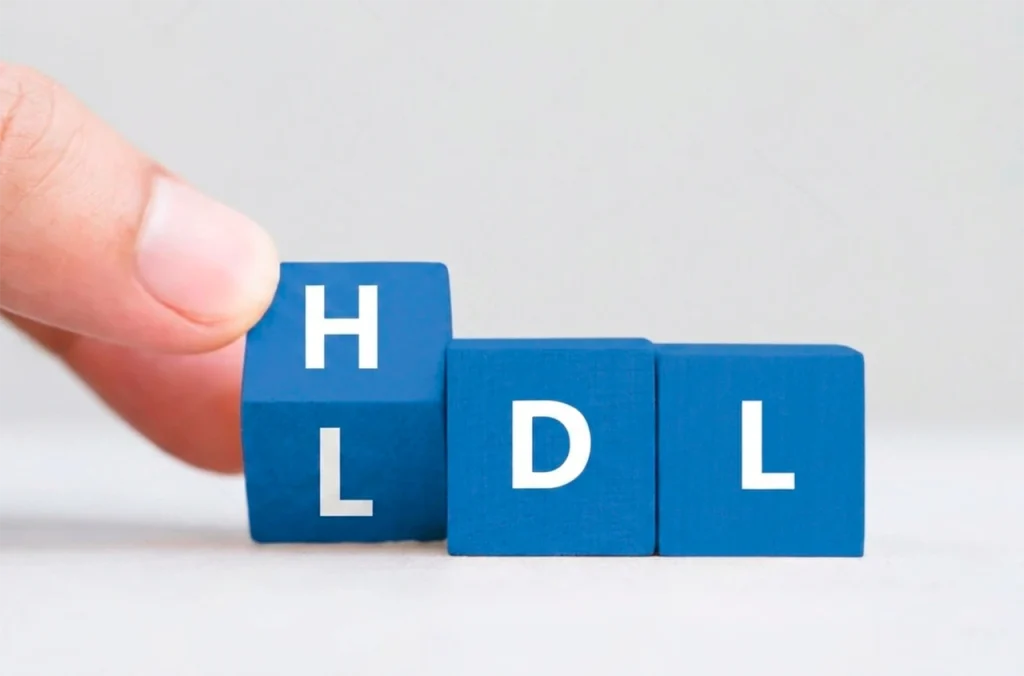
Maintaining a healthy lifestyle is one of the most common goals, yet we often encounter medical terms that can be confusing. One of the most frequently mentioned concepts during doctor visits is cholesterol. Although it is often viewed as an enemy, it is important to understand that not everything about it is negative; the body actually needs it to function properly, as long as it is kept under control.
In the body, cholesterol is a waxy substance found in the blood that is used to build healthy cells. However, having high levels can increase the risk of heart disease. Discovering elevated levels in your body is not necessarily an immediate danger sentence, but it is the ultimate wake-up call to start taking action, prevent future complications, and lower this compound when it becomes harmful to your health.
Which Is the Bad Cholesterol and Why Should You Care?
When we ask the question, which is the bad cholesterol?, the scientific answer leads us directly to LDL (low-density lipoprotein) cholesterol. It is called "bad" because when it is abundant in the bloodstream, it tends to build up on the walls of the arteries, forming hard plaque. This process, known as atherosclerosis, narrows the blood vessels and restricts the flow of oxygenated blood.
The concern lies in the fact that excess bad cholesterol is silent. It rarely presents obvious symptoms until significant damage has occurred. If one of these plaques ruptures or completely blocks an artery supplying the heart or brain, it can trigger a heart attack or a stroke. Therefore, understanding which is the bad cholesterol is the first step toward making informed decisions about our diet and physical activity.
Good and Bad Cholesterol: Key Differences You Should Know
To understand our cardiovascular health, we must distinguish between good and bad cholesterol. Although both travel through the blood, they serve opposite functions that determine the condition of our arteries.
- LDL Cholesterol (Bad): This is the transporter that carries cholesterol from the liver to the rest of the body. If there is too much, it gets deposited in the arteries.
- HDL Cholesterol (Good): This acts as a cleanup crew. Its function is to collect excess cholesterol from the blood and transport it back to the liver to be processed and eliminated.
Having adequate HDL cholesterol levels protects the heart, while low HDL levels combined with high LDL cholesterol create the ideal conditions for cardiac complications. Balance is key: we want the "cleanup crew" (HDL) to be strong and the "excess transporter" (LDL) to remain as low as possible.
Visual Guide to Understanding and Reducing Your Cholesterol Levels
Imagine your arteries are water pipes in your home. Cholesterol is like the sediment that can travel through the water.
- Normal Flow: In an optimal state, blood flows freely, carrying nutrients to every corner of the body.
- Buildup: LDL cholesterol begins to stick to the walls, like scale inside a pipe.
- Obstruction: Over time, the space through which blood flows becomes so narrow that the heart has to work harder (increasing blood pressure).
- The Solution: HDL cholesterol functions as preventive maintenance, helping to remove that scale before the pipe becomes completely clogged.
Visualizing this process makes it easier to understand why doctors place so much emphasis on regular blood tests. It isn’t just about numbers—it’s about the condition of your body’s vital infrastructure.
What Does High LDL Cholesterol Mean for Your Health?
Having high LDL cholesterol means there is an uncontrolled surplus of circulating lipids. This metabolic state exponentially increases the risk of developing chronic diseases. While the human body is designed to process certain amounts of fat, modern lifestyles, sedentary habits, and stress often exceed its processing capacity.
When bad cholesterol oxidizes in the arterial walls, it triggers an inflammatory response. This doesn’t just affect the heart; it can also damage kidney health and impair peripheral circulation (in the legs and arms). It is vital to understand that high LDL cholesterol is a modifiable risk factor: with the right actions, these numbers can be reversed.
Triglycerides and Cholesterol: How Are They Related in Your Blood?
In lab results, cholesterol often appears alongside triglycerides. Although they are different, both are lipids (fats) and share a close relationship. While cholesterol is used to build cells and hormones, triglycerides store unused calories and provide the body with energy.
If you consume more calories than you burn, your triglyceride levels will rise. High triglyceride levels combined with low HDL cholesterol or high LDL cholesterol increase the risk of a heart attack. It is a cumulative effect: the more unbalanced fat factors present, the harder the circulatory system must work to keep you healthy.
When an increase in triglycerides coincides with high LDL cholesterol and elevated blood pressure, doctors typically monitor for metabolic syndrome. This condition is not a single disease, but rather a group of risk factors that, when occurring together, multiply the chances of developing type 2 diabetes and cardiac complications.
How to Lower Bad Cholesterol: Proven Strategies and Habit Changes
If you’re wondering how to lower bad cholesterol, the answer comes down to two main pillars: movement and mindful nutrition.
Dr. Eduardo Fernández Campuzano, an internal medicine specialist at Centro Médico ABC, points out that our bodies are built for physical activity. Exercise promotes a healthy ratio of good cholesterol over bad cholesterol, supporting the body’s vital functions. Additionally, exercise helps lower blood pressure, resulting in a reduced risk of cardiovascular events such as heart attacks or strokes.
To implement effective changes, consider the following:
- Accessible Activity: You don’t need a high-performance gym membership. Exercise is accessible to everyone: taking the stairs instead of the elevator or doing push-ups at home are great starting points. Even at the office, you can move your legs or stand up for 5 minutes every hour to activate your circulatory system.
- Food as Medicine: Consuming foods that raise HDL cholesterol helps combat the accumulation of LDL. Incorporate fish, nuts, and high-quality vegetable oils (such as olive oil). Understanding the benefits of healthy vs. unhealthy fats in your body is essential for choosing the right foods and avoiding those that harm your arteries.
- Egg Myths: Eggs were once mistakenly blamed as the primary culprit behind high cholesterol. However, recent research shows they provide valuable nutrients, such as iron. The key is moderation and preparation: a pair of boiled eggs is very different from a Spanish tortilla cooked with excessive added fats.
Ideal Values: What Are Good and Bad Cholesterol Levels in a Blood Test?
Understanding your cholesterol test results is essential to knowing where you stand. Although target ranges may vary slightly by laboratory, general standards include:
| Lipid Type | Desirable Level | High Risk Level |
| Total Cholesterol | Less than 200 mg/dL | 240 mg/dL or higher |
| LDL Cholesterol (Bad) | Less than 100 mg/dL | 160 mg/dL or higher |
| HDL Cholesterol (Good) | 60 mg/dL or higher | Less than 40 mg/dL |
| Triglycerides | Less than 150 mg/dL | 200 mg/dL or higher |
If your results show high LDL cholesterol, it is time to consult with a specialist to design a personalized action plan.
When test results reveal levels outside healthy ranges—whether due to excess fat or a lack of protective HDL—doctors refer to this condition as dyslipidemia. Understanding if you have dyslipidemia is crucial, as this lipid imbalance is the primary driver of silent arterial diseases.
At the Internal Medicine Department at Centro Médico ABC, we provide specialized care. Contact us today!