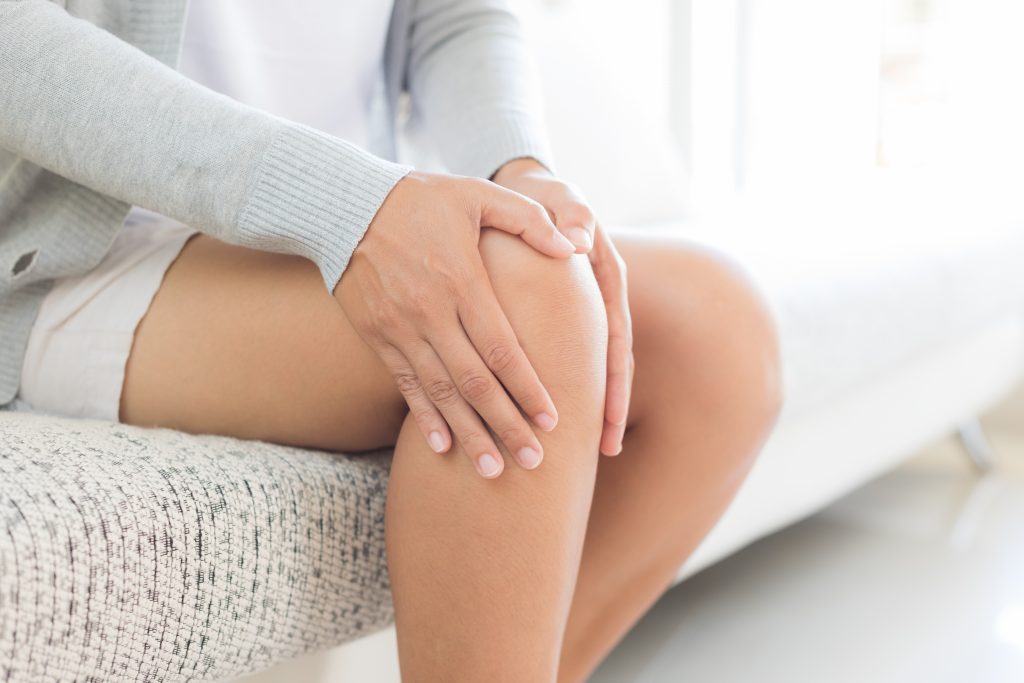
Key points:
- If you already have a history of knee injury, you should continue treatment before the damage gets worse. While certain factors make us more prone to developing knee injuries, we should still take precautions to protect them.
Muscles and tendons help the knee move within its joint, which is made up of bone, cartilage, ligaments, and fluid. When any of these structures becomes injured or diseased, problems arise that cause pain and difficulty with everyday activities, having a major impact on daily life.
One of the most common conditions affecting the knee bones is osteoarthritis, which wears down cartilage to the point of reducing the bones’ protection.
Ligament and tendon injuries also damage the knees, for example, those caused by sudden twisting motions, which are common in sports and can eventually lead to knee replacement.
What are the most common conditions?
- Osteoarthritis: in this condition, the cartilage in the knee wears down, causing pain and inflammation.
- Sprain: one or more ligaments are overstretched due to pulling or twisting.
- Strain: a muscle or tendon is overstretched.
- Meniscus injuries: the cartilage in the knee (menisci) is crescent-shaped and acts as a shock absorber for the joint and can tear.
- Ligament tears: a common injury among professional athletes, especially in sports that involve frequent running, jumping, and changing direction, such as soccer, rugby, or skiing.
- Bursitis: inflammation caused by repetitive pressure or overload on the knee.
- Kneecap dislocation or fracture: involves a difficult recovery process that doesn’t guarantee the bone will fully stabilize.
- Iliotibial band syndrome: an injury to the thick band that runs from the hip to the outside of the knee.
- Patellofemoral syndrome: pain in the front of the knee around the kneecap.
- Cartilage tear: pain felt on the inner or outer side of the knee joint.
- Muscle strains or sprains: minor ligament injuries caused by sudden twisting.
Symptoms of injury
- Swelling and stiffness
- Redness and increased warmth
- Weakness or instability
- Popping or crackling sounds
- Inability to fully straighten the knee
Main causes
- Blows or sudden movements that cause sprains or twists.
- Aging cartilage is the main cause of osteoarthritis, which usually develops around age 50.
- The knees of a person living with obesity must bear extra weight that wears down the joint.
- Certain conditions such as rheumatoid arthritis and lupus cause inflammation in the knees that can lead to permanent damage.
- Sports like soccer, skiing, or rugby increase the risk of injury, especially to the menisci and ligaments, due to sudden changes in speed and side-to-side movements.
- Intense running without proper physical conditioning can damage the knees.
- Prolonged use of high heels and improper footwear in general leads to injuries and postural imbalances, as well as osteoarthritis or arthritis.
If you experience any symptoms, consider the possible causes of your discomfort, and if it persists over several days, consider seeing a doctor for evaluation.
At ABC Medical Center’s Orthopedics and Trauma Center, we can provide you with specialized care. Contact us!