Nervous colitis is one of the most common digestive conditions today, marked by abdominal pain, bloating, and drastic changes in bowel habits. Although this is the term commonly used in everyday language, medically it’s known as Irritable Bowel Syndrome (IBS), a functional disorder that doesn’t physically damage the colon’s tissue but significantly disrupts how it functions. Understanding this condition as a complex response involving the gut-brain axis is the first step toward restoring digestive wellbeing and no longer seeing food as a constant threat.
Taking nervous colitis seriously matters because its effects go far beyond simple, temporary inflammation; it directly impacts quality of life, work performance, and emotional wellbeing. The fact that up to 20% of the world’s population experiences these symptoms highlights the need to demystify the condition and pursue an accurate diagnosis. Ignoring the body’s signals or self-medicating not only prolongs discomfort but can also mask more serious underlying conditions, which is why patient education is one of the most powerful tools for effective long-term management.
Today, the approach to treating irritable bowel syndrome has evolved from being purely palliative to comprehensive and personalized. As science better understands how emotions and the environment affect digestive health, we’re moving away from simply “living with the pain” and toward preventive strategies that help patients regain control of their lives, free from the limitations of intestinal flare-ups.
Irritable Bowel Syndrome: What Is Nervous Colitis?
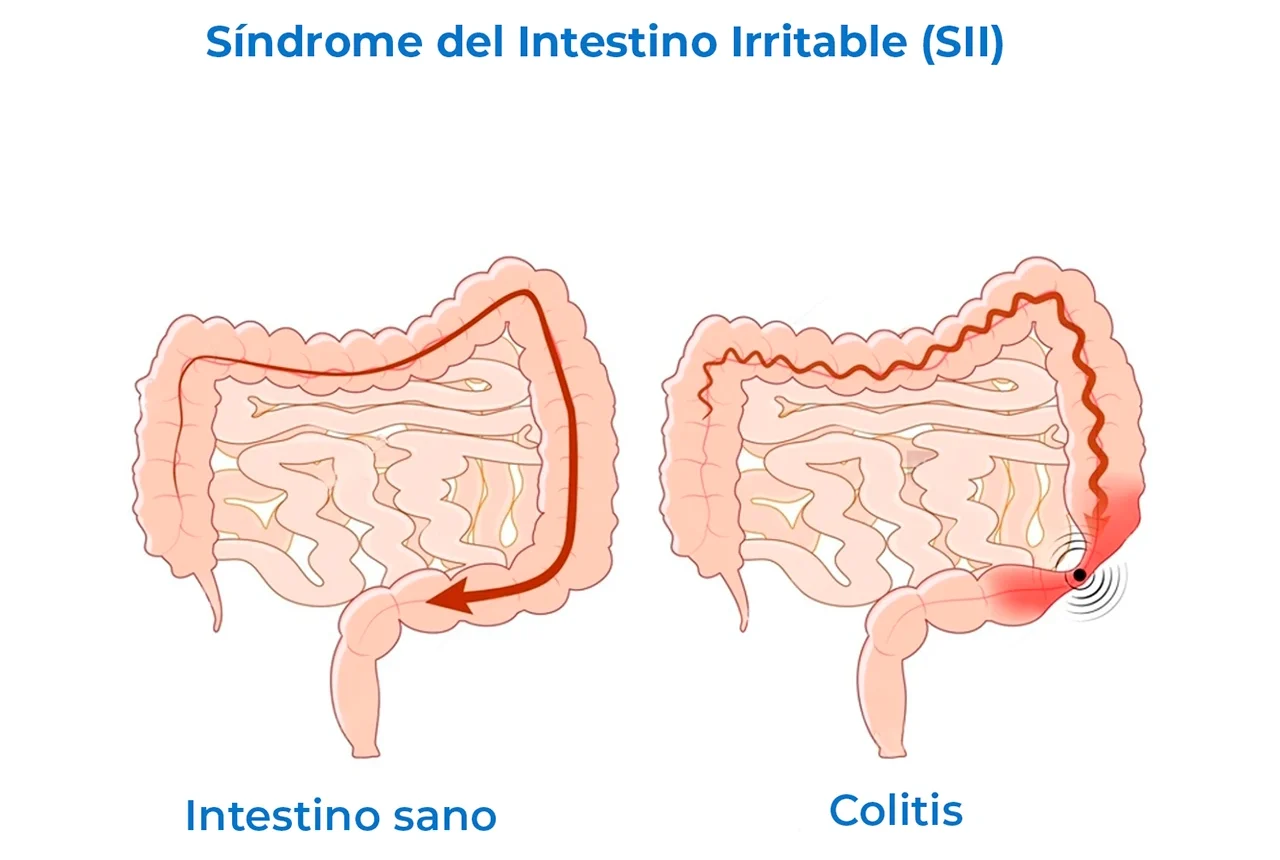
When we talk about nervous colitis, we’re referring to what Dr. Daniel Keil Ríos, gastroenterology specialist at ABC Medical Center, describes as the everyday term for a group of symptoms affecting the lower digestive tract. Officially known as Irritable Bowel Syndrome, this is a chronic condition affecting up to two in ten people. It’s a functional disorder, meaning that even though lab tests or endoscopies may come back normal, the intestine isn’t functioning properly, causing extreme sensitivity to common triggers like food or stress.
Diagnosis and Symptom Duration
To diagnose this type of colitis, doctors look for persistence. A single episode of indigestion isn’t enough, medical consensus holds that symptoms need to occur recurrently for at least six months before a formal diagnosis can be made. This timeframe allows specialists to rule out acute infections or temporary intolerances and confirm that the patient’s digestive system has a chronic disruption in motility and sensitivity.
The Impact on Daily Quality of Life
Someone living with this condition sees their routine affected in many ways. The uncertainty of not knowing when pain or the urge to use the bathroom will strike creates anxiety that, ironically, worsens the condition. From avoiding social events out of fear around food to struggling to concentrate at work due to abdominal bloating, this condition can end up limiting a person’s freedom if it isn’t managed with the support of a gastroenterologist.
Types of Colitis: Classification Based on Bowel Habits
Dr. Keil emphasizes that not every patient experiences this condition the same way. Identifying the specific subtype is essential so the doctor can prescribe the right treatment, since a medication for diarrhea could actually worsen symptoms for someone prone to constipation.
Classification by Consistency and Frequency
Based on clinical observation, there are four main subtypes:
- Constipation-predominant: characterized mainly by hard, infrequent stools that require significant effort to pass.
- Diarrhea-predominant: characterized by frequent loose or watery stools, often accompanied by a sense of urgency.
- Mixed type: the patient experiences alternating patterns, going several days without a bowel movement, followed by episodes of sudden diarrhea.
- Unclassified: cases where pain and bloating are present, but bowel movements don’t show a clear or consistent pattern of change.
The Importance of Medical Evaluation
This classification isn’t fixed and can change over time or because of external factors. The most effective medication directly targets the predominant subtype, helping regulate bowel transit and restore normal digestive function. Knowing which dietary approaches can relieve symptoms is also valuable.
The Most Common Symptoms: Beyond Bloating
Symptoms vary and can sometimes be mistaken for other conditions. However, abdominal pain is by far the most defining symptom. This pain is usually in the lower abdomen and, in many cases, improves or temporarily goes away after a bowel movement, although the relief may be short-lived.
Changes in Bowel Habits
Symptoms often include a rollercoaster of changes in bathroom habits. Diarrhea is particularly common during periods of heightened anxiety or acute stress, while chronic constipation tends to be linked to prolonged tension or insufficient fiber and water intake. This variability is what makes managing the condition so individualized, requiring careful tracking of each person’s specific triggers.
Bloating, Gas, and Distension
Beyond pain, patients frequently report an extreme sense of heaviness or “fogginess.” Gas buildup causes not only physical discomfort, but also audible bowel sounds and visible bloating (the abdomen noticeably swells throughout the day). These signs indicate that food fermentation and colon movement are out of balance.
When Is It a Medical Emergency?
It’s essential to recognize the “warning signs.” If, in addition to bloating, you notice unexplained weight loss, blood in the stool, fever, or diarrhea that wakes you up at night, you should see a doctor right away, since these could be signs of ulcerative colitis or another inflammatory condition that requires a different type of treatment than irritable bowel syndrome.
Differences Between Infectious Colitis and Nervous Colitis
Patients often confuse nervous colitis with a stomach infection, but the two differ clearly. Infectious colitis is usually acute, caused by bacteria, viruses, or parasites, and often includes fever, while nervous colitis is a chronic functional disorder related to the nervous system and diet.
Chronic vs. Acute
Infections usually clear up within a few days with proper treatment. With irritable bowel syndrome, however, symptoms come and go over months or years. There’s no pathogen to eliminate, rather, it’s a digestive system that “overreacts” to everyday situations.
Ulcerative Colitis vs. Nervous Colitis
It’s essential not to confuse nervous colitis with ulcerative colitis. The latter is a serious autoimmune disease that causes sores (ulcers) in the lining of the colon and requires immunosuppressive treatment. Nervous colitis doesn’t cause ulcers or increase the risk of colon cancer, even though its symptoms can be quite uncomfortable.
The Role of Stress Management in Controlling Colitis
Why does stress directly affect digestion? The answer lies in the gut-brain axis. The digestive system has its own network of neurons (the enteric nervous system), which is in constant communication with the brain. When we’re stressed, the brain sends signals that can speed up or slow down intestinal movement, while also increasing sensitivity to pain.
The Emotional Connection to Irritable Bowel Syndrome
Many patients notice that their flare-ups coincide with work stress, family issues, or periods of high emotional demand. Managing stress isn’t just a helpful suggestion, it’s a central part of treatment. Techniques such as meditation, regular exercise, and, in some cases, psychological therapy have been shown to reduce the frequency of flare-ups just as effectively as dietary changes.
At ABC Medical Center’s Internal Medicine area, we can provide you with specialized care. Contact us!
Frequently Asked Questions
- What does it feel like to have nervous colitis?
It mainly feels like sharp or cramping abdominal pain, along with a sensation of being “full” or bloated. Heaviness and ongoing irregularity with bowel movements are also common.
- What are the 5 symptoms of colitis?
There isn’t a fixed list of exactly 5 symptoms, but the most notable ones include:
- Pain or cramping in the lower abdomen.
- Bloating and abdominal distension.
- Excess gas.
- Diarrhea or constipation (or alternating between the two).
- A sensation of incomplete bowel emptying.
- What can be done to relieve nervous colitis?
There’s no single “cure,” but you can manage it with a low-irritant diet, stress management, proper hydration, and, under medical supervision, antispasmodics or probiotics.
- What foods cause colitis?
Certain foods don’t cause it, but they can trigger symptoms. The most common include legumes (beans, lentils), dairy, irritants like chili peppers, coffee, alcohol, and cruciferous vegetables like broccoli or cabbage.
- What foods should be avoided with nervous colitis?
It’s recommended to limit refined flour, carbonated drinks (soda), very greasy or fried foods, and artificial sweeteners like sorbitol, which can increase gas production.
- Can emotional stress cause colitis?
Stress alone doesn’t cause the condition, but it is the main trigger for flare-ups. A strong emotional event can disrupt bowel motility and immediately worsen symptoms in people who are predisposed to it.