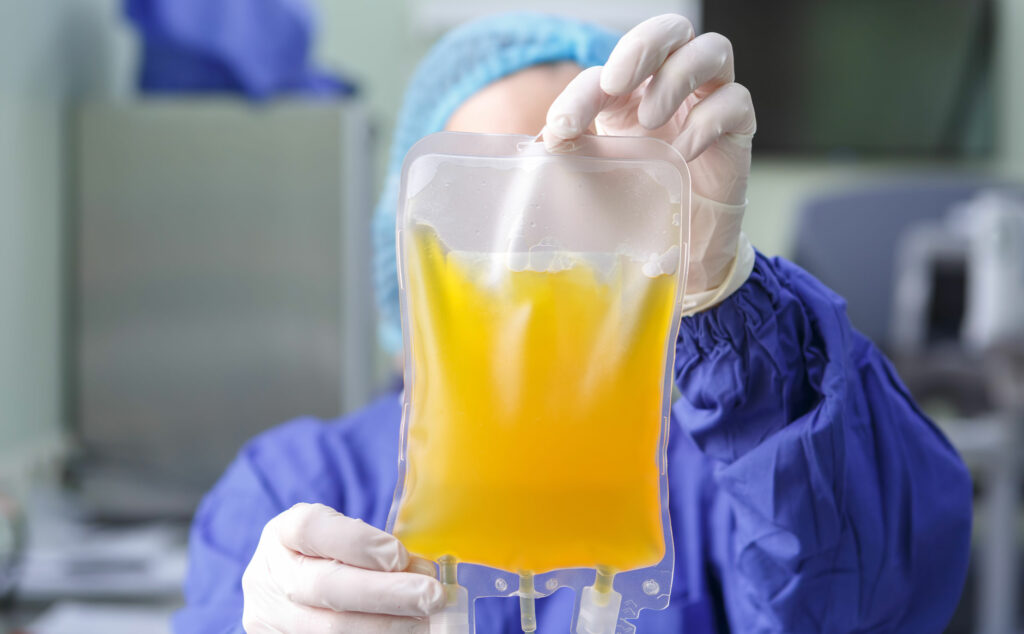
Blood plasma is composed mostly of water, along with mineral salts and numerous proteins essential to the proper functioning of our bodies. Due to these unique characteristics, blood plasma donation is performed to treat specific medical conditions in patients.
Components of Blood
Blood is a vital liquid tissue in the human body that fulfills various essential functions, such as transporting oxygen and nutrients. It serves as a vehicle for waste elimination, regulates body temperature, and balances pH levels.
There are four main components of blood, which work together to perform these vital functions:
- Red blood cells (erythrocytes): Help transport oxygen from the lungs.
- White blood cells (leukocytes): Play a central role in defending the body against infections.
- Platelets (thrombocytes): Crucial for blood clotting.
- Blood plasma.
What Is Blood Plasma?
Blood plasma is a clear, yellowish fluid that makes up 55% of total blood volume. Red blood cells, white blood cells, and platelets are suspended within this liquid.
The primary proteins contained in plasma are:
- Globulins: Play an important role in liver function, blood clotting, and fighting infections.
- Fibrinogen: A key protein involved in blood coagulation.
- Albumin: Helps keep fluid within the bloodstream so it does not leak into other tissues; it also transports hormones, vitamins, and enzymes throughout the body.
Functions of Blood Plasma
Among its vital functions, plasma plays a major role in controlling bleeding and preventing infections. If a person has difficulty producing these proteins, they can develop serious health conditions.
In addition, blood plasma helps regulate blood pressure, pH, acid-base balance, and total blood volume in the body.
Various medical conditions can alter both total plasma concentration and individual protein fractions.
In blood testing, analyzing plasma is essential for identifying its individual components, which enables the evaluation of:
- Complete Blood Count (CBC): Measures the levels of red and white blood cells, platelets, and hemoglobin.
- Comprehensive/Basic Metabolic Panel: Measures chemicals present in the blood through plasma.
- Blood Enzyme Tests: Detect specific chemical reactions in the body to identify certain pathologies.
- Blood Clotting (Coagulation) Tests: Measure how well a patient’s blood clots and identify bleeding disorders if present.
At the Blood Bank at Centro Médico ABC, we offer specialized care. Contact us today!