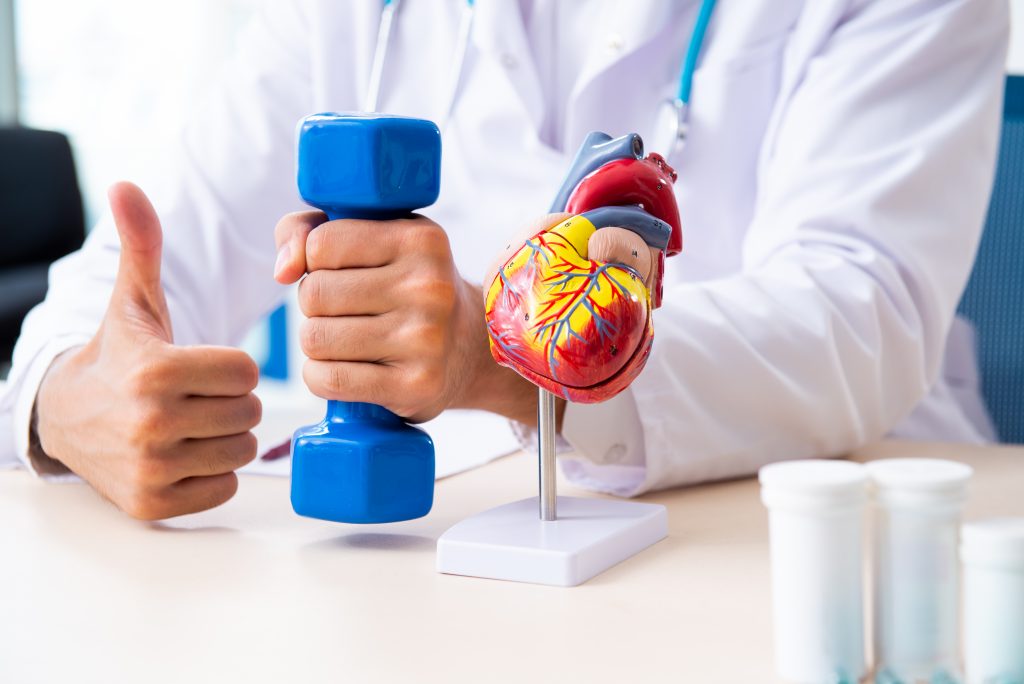
Physical exercise and cardiovascular health are deeply interconnected, as maintaining a consistent physical routine is a major ally for the cardiovascular system.
Benefits of Physical Activity
Regular physical exercise is one of the most powerful tools for protecting heart health. Engaging in consistent physical activity not only improves overall physical performance but also directly strengthens the heart muscle and reduces the risk of heart disease, notes Dr. Carlos Alberto Mérigo Azpiri, an interventional cardiologist at Centro Médico ABC.
Exercise is healthy when done regularly; conversely, engaging in strenuous, irregular exercise actually increases the risk of experiencing cardiovascular events.
The heart is a muscle that strengthens with regular training, reducing daily stress—which in turn lowers heart rate and helps manage blood pressure and cholesterol levels.
Types of Exercise
People often wonder whether aerobic exercise (such as running or swimming) or anaerobic exercise (such as weightlifting or high-intensity interval training) is better for heart health. The doctor’s answer is clear: the ideal approach is to combine both types of exercise.
- Aerobic Exercise: This is the most common form of activity associated with cardiovascular health. It involves sustained movement while raising the heart rate and improving lung capacity. Examples include walking, running, swimming, or cycling.
- Anaerobic Exercise: Although not as commonly linked to heart health, it plays an equally important role as aerobic exercise. It promotes muscle development and improves glucose metabolism, which is key to preventing metabolic syndrome and heart issues. Activities like resistance training, strength training, or weightlifting routines fall under this category.
The reality is that no single type of exercise is superior to the other; combining both is ideal because each offers distinct benefits for the cardiovascular system. Alternating these workouts is recommended to maximize results. Whenever possible, it is important to seek advice from a sports medicine physician to get an exercise prescription tailored to individual goals and physical conditions.
Physical Activity and Health
When discussing physical exercise and cardiovascular health, one of the most frequent questions is how much time should be devoted to these activities to achieve real health benefits.
It depends on the type of training. For instance, for aerobic activities (running, cycling, or walking), we recommend at least four 40-minute sessions per week. As for anaerobic exercise (HIIT or resistance training), we suggest 20- to 30-minute sessions two to three times a week.
Improving Cardiovascular Health
Physical exercise is only one part of the equation. Proper nutrition is another fundamental pillar of maintaining a healthy heart. While there is no one-size-fits-all diet, there are general principles that apply to most people.
A general diet should be balanced, but it must be adjusted to each individual case—as there is no single universal diet recommendation. However, adequate protein intake (to support muscle) and unprocessed simple carbohydrates (fruits and vegetables) are essential for energy during exercise. Remember to consider reducing your intake of trans fats, salt, and alcohol.
Keep in mind that beyond diet and exercise, knowing the state of your heart health is vital for preventing cardiovascular disease.
At the Cardiovascular Diagnostics Department at Centro Médico ABC, we offer specialized care. Contact us today!
Fuente:
Dr. Carlos Alberto Mérigo Azpiri – Interventional cardiology specialist at Centro Médico ABC.
NIH, Scielo, Texas Heart