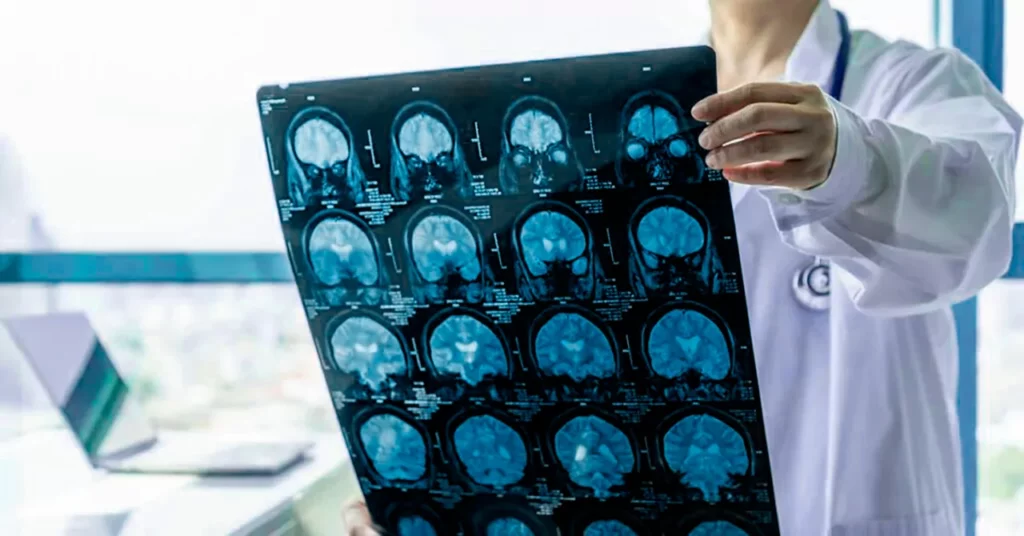
Neurological problems or neurological disorders are diseases of the nervous system that affect the body’s motor, sensory, and cognitive functions. This is because the nervous system is responsible for controlling communication between the brain, spinal cord, and the rest of the body.
To address them, nervous system conditions can be categorized into several groups, such as neurodegenerative, infectious, hereditary, and inflammatory diseases.
Central Nervous System
The central nervous system is the part of the nervous system that includes the brain and spinal cord. It acts as the processing and control center for all bodily activities by receiving, interpreting, and responding to information from both the body and the surrounding environment.
Any alteration or damage to the central nervous system can lead to the development of various neurological issues that affect movement, memory, emotions, or sensory skills, depending on the specific characteristics of each case.
Neurological Disorders
Neurological disorders are diseases of the central and peripheral nervous systems; that is, they affect the brain, spinal cord, and the network of nerves connecting them.
Some of the most common disorders include epilepsy, Alzheimer’s disease and other forms of dementia, cerebrovascular events (strokes), migraines and other headaches, multiple sclerosis, Parkinson’s disease, neurological infections, brain tumors, traumatic nervous system injuries such as traumatic brain injury, and disorders caused by malnutrition.
According to the WHO, hundreds of millions of people worldwide suffer from a neurological disorder. More than 6 million people die each year from stroke, with over 80% of these deaths occurring in low- and middle-income countries.
At least 50 million people globally have epilepsy, and estimates show that 47.5 million people live with dementia, with 7.7 million new cases diagnosed each year.
Alzheimer’s disease is the most common cause of dementia, and the prevalence of migraines exceeds 10% worldwide.
Additionally, the nervous system can be affected by numerous bacterial infections (such as tuberculosis and meningitis), viral infections (such as HIV, enterovirus, West Nile virus, and Zika virus), fungal infections (such as Cryptococcus), and parasitic infections (such as malaria and Chagas disease).
Risk factors for neurological diseases include genetics, age, tobacco use, drug or alcohol consumption, an unhealthy diet, and physical inactivity. In some cases, environmental pollution and head injuries are also significant causes.
Remember that adopting a healthy lifestyle will help you reduce the risk of developing one of these conditions. Eating well, avoiding smoking, and staying active with regular physical exercise can serve as effective preventive measures.
Nervous System Diseases
Although some of these conditions have no cure, others can be managed, or their symptoms can be alleviated through timely diagnosis and appropriate treatment.
Because there are many types of neurological issues, treatment approaches vary. However, they generally focus on relieving symptoms, slowing disease progression, and improving the patient’s quality of life.
Strategies depend on the type and severity of the neurological disorder and may include pharmacological support, surgical interventions, and rehabilitation therapies, among other approaches.
At the Neurological Center of Centro Médico ABC, we provide specialized care. Contact us today!
Fuentes: