
Neurophysiology: What Is It, What Is Its Function, and What Conditions Does It Detect?
Neurophysiology is a branch of physiology, the science dedicated to the study of the mechanisms and functions within a living system. Within this discipline, analysis is specifically directed toward understanding the function of the nervous system, which encompasses the brain, spinal cord, peripheral nervous system (composed of nerves), and sensory organs throughout the body.
It spans from cellular and molecular mechanisms to complex processes within neural networks that influence human behavior and bodily functions.
What Is the Role of Neurophysiology?
Neurophysiology is the science responsible for studying how nerve cells and neurons generate and transmit electrical and biochemical signals. These signals are integrated to produce coordinated responses throughout the body.
Consequently, this discipline analyzes interactions between neurons and other cells, as well as how neural networks control overall bodily physiology. Within this broad scope of study, key areas include:
- Ion channels and synapses: The specific sites where neurons communicate electrically or chemically.
- Cognitive and sensory processes: Understanding how complex networks give rise to sensory perception, movement, memory, and behavior.
Neuron Physiology
Neurons are the fundamental units of the nervous system. They transmit electrical signals known as action potentials, which form the basis of all neurological activity—from the simplest reflexes to the most complex cognitive processes. To accomplish this, neurons rely on a process of intercellular communication called a synapse, which is essential to the health and proper function of the entire system.
Clinical Neurophysiology as a Diagnostic Medical Application
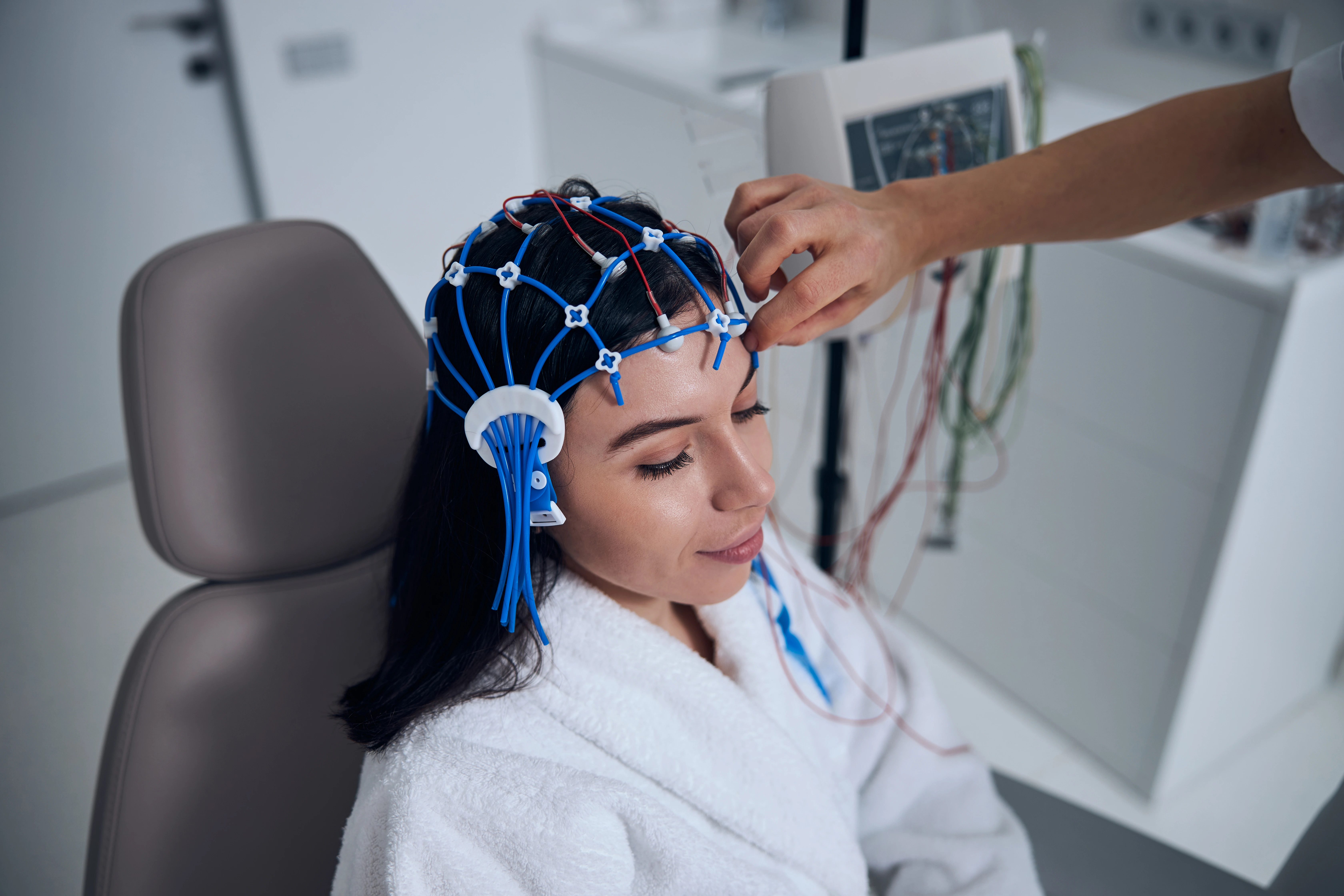
Clinical neurophysiology is a medical subspecialty that applies the principles of this science to the diagnosis, quantification, and monitoring of disorders affecting the central and peripheral nervous systems, muscles, or sensory organs.
Utilizing modern medical technology, the electrical or magnetic activity of these various systems is identified through key diagnostic tests:
Electroencephalogram (EEG)
A test that records brain electrical activity using electrodes placed on the scalp. It is vital for mapping brain activity alongside neuroimaging techniques.
Electromyogram (EMG)
A technique that measures the electrical activity produced in muscles and nerves, while indirectly assessing aspects of blood flow and neuromuscular response.
Evoked Potentials Testing
Studies the electrical activity generated by neurons in response to specific stimuli, which can be auditory, visual, or somatosensory (tactile).
Polysomnography
Records and monitors multiple body parameters and physiological functions during sleep or while trying to sleep.
Intraoperative Neurophysiological Monitoring (IONM)
Specialized real-time support during high-complexity surgeries involving the nervous system, used to help prevent damage to critical nerve structures.
Magnetoencephalography (MEG)
Precisely measures the magnetic fields produced by neuronal activity within the brain.
Electrocochleography
Evaluates the functionality of the cochlea (part of the inner ear) in response to auditory stimuli, analyzing the nerve impulses that guide sound to the brain.
Electroretinography
Analyzes photoreceptors and the layers that make up the retina to assess deep visual health.
Diagnosed Conditions and Diseases
Once these studies are completed, the results help various medical specialties develop an accurate, suitable, and personalized treatment plan for each patient. The most common conditions, disorders, and diseases diagnosed include:
Epilepsy
A neurological disorder characterized by recurrent seizures, primarily diagnosed using an EEG.
Sleep Disorders
Conditions such as insomnia, sleep apnea, or restless legs syndrome (evaluated using polysomnography).
Peripheral Neuropathies
Peripheral nerve disorders where the electromyogram serves as an essential diagnostic tool.
Multiple Sclerosis and Amyotrophic Lateral Sclerosis (ALS)
Neurodegenerative and autoimmune diseases that affect motor neurons and the central nervous system; evoked potentials and EMGs are vital for their evaluation.
Myopathies and Muscular Dystrophy
Various hereditary or acquired conditions that directly affect muscles, causing weakness or loss of function.
Movement Disorders
Conditions such as Parkinson’s disease, essential tremors, and other dystonias.
Myasthenia Gravis
An autoimmune disorder affecting communication between nerves and muscles, primarily in the face and neck.
Traumatic Brain Injuries and Spinal Cord Injuries
Direct impacts to the brain or trauma involving spinal cord fractures.
Spinal Muscular Atrophy
A genetic condition that severely impacts motor nerve cells.
Spinal Cord Tumors
Cellular masses occurring inside the spinal cord or within the meninges.
Coma
Continuous evaluation and monitoring of brain activity in states of deep loss of consciousness.
Thanks to clinical neurophysiology, the medical team can accurately understand how the brain coordinates the body, providing timely management for individuals living with various neurological conditions.
When Does It Make Sense to Visit a Clinical Neurophysiology Unit?
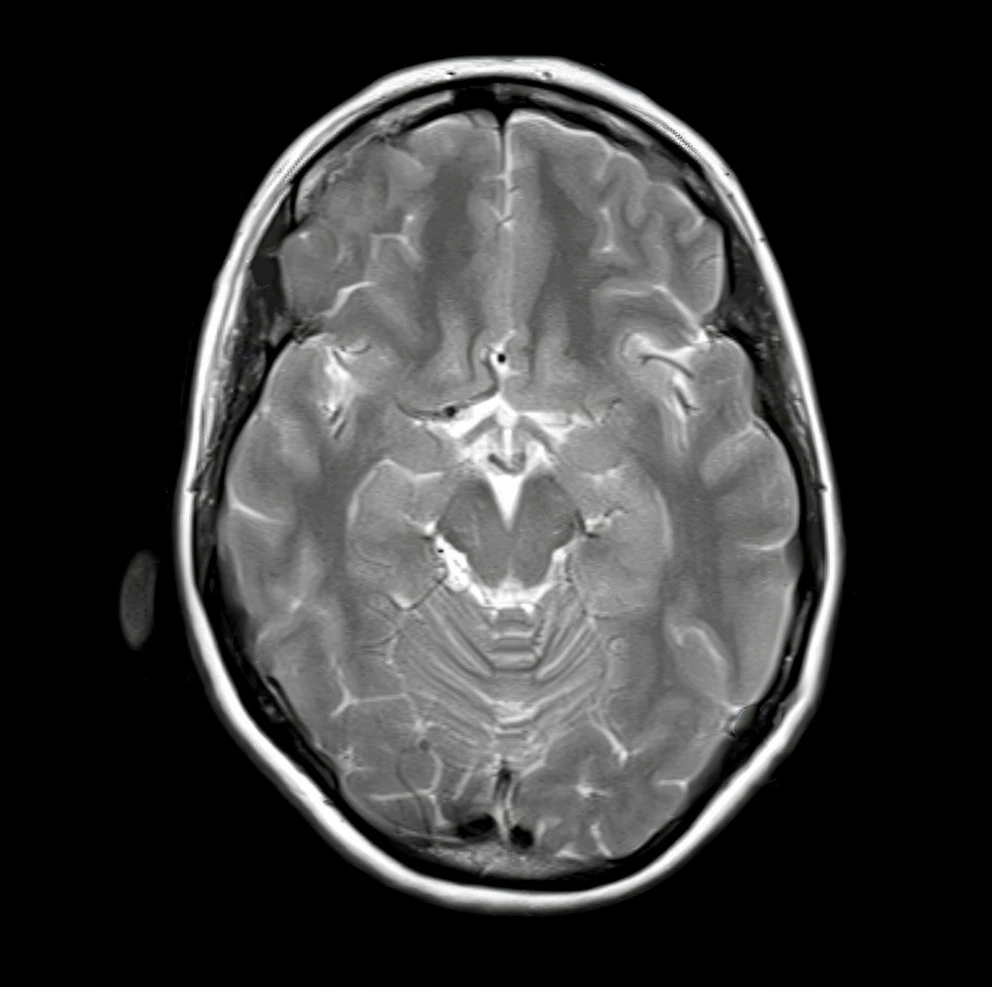
A general practitioner or specialist (such as a neurologist, pediatrician, orthopedic surgeon, or psychiatrist) typically requests a clinical neurophysiology study when a patient exhibits symptoms suggesting an abnormality in the body’s electrical signaling.
It is advisable to undergo these tests if you regularly or inexplicably experience symptoms such as:
- Persistent numbness, tingling, or "pins and needles" in the extremities (hands, arms, legs, or feet).
- Progressive muscle weakness or loss of strength without an apparent physical cause.
- Episodes of fainting, absence seizures, or involuntary movements that raise suspicion of seizures or epilepsy.
- Chronic sleep disturbances, such as excessive snoring, breathing pauses during sleep (apnea), or severe insomnia that impairs daily performance.
- Neuropathic pain, felt as burning, stinging, or electric shock-like sensations along a nerve pathway.
- Sudden sensory changes, such as decreased hearing or peripheral vision, once anatomical causes in the ear or eye have been ruled out.
Timely consultation with a specialized unit allows physicians to precisely map the source of the problem. This is key for confirming a clinical suspicion as well as monitoring the progression of a previously diagnosed neurological condition.
Neurophysiologists in Mexico City
At the Neurophysiology Clinic of ABC Medical Center, we have a highly trained team of neurophysiology specialists dedicated to providing comprehensive, safe, and personalized care for all your neurological and neuromuscular needs.
Disclaimer: The content of this material is for informational purposes only and does not, under any circumstances, replace a consultation with a medical specialist. ABC Medical Center assumes no liability for alternative uses of this information. If you require further medical advice, please consult your trusted specialist directly.
Frequently Asked Questions
Fuentes: Scielo, Sanitas, MedlinePlus