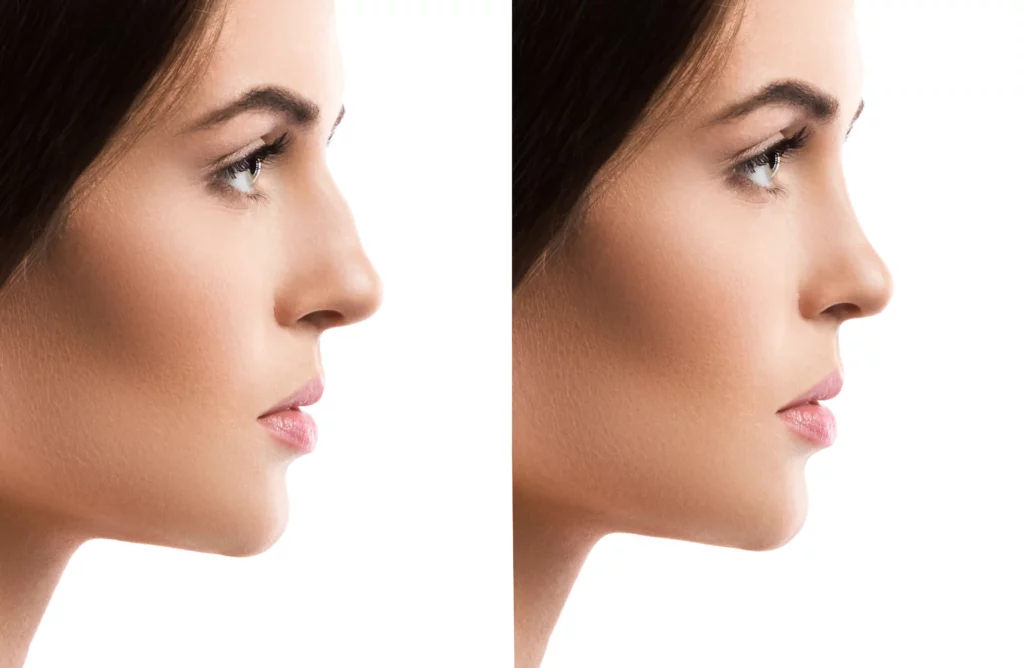
Plastic surgery is a surgical specialty focused on improving the function or appearance of a person’s facial and body structures, ranging from changes driven by aging or aesthetic preferences to corrections for congenital abnormalities, trauma, or conditions such as cancer.
Plastic surgery encompasses both cosmetic surgery and reconstructive surgery.
Cosmetic Surgery
The goal of cosmetic surgery is to improve a person’s appearance, either by restoring their appearance from before or by creating a new look, all aimed at enhancing the face or body.
Cosmetic surgery is typically performed on otherwise healthy patients who want to reduce signs of aging or simply improve their physical appearance, often with a positive effect on self-esteem and emotional wellbeing.
The most common cosmetic procedures include:
- Breast augmentation: improves the shape or size of the breasts and can enhance, rejuvenate, or reshape them using implants or prostheses.
- Liposuction: targets areas of localized fat in the body, such as the abdomen, arms, thighs, knees, or ankles.
- Ear surgery: corrects the shape or size of the ears.
- Facelift: aimed at reducing the most visible signs of aging in the face and neck. It may be combined with cheek, chin, or nose implants, Botox, muscle tightening, facial fillers, fat removal, and skin redistribution.
- Rhinoplasty: current techniques allow for nose reshaping without visible incisions, for both aesthetic and functional purposes.
Reconstructive Surgery
Reconstructive plastic surgery corrects or restores physical damage resulting from accidents, scarring, birth defects, infections, traumatic injuries, burns, or tumors.
It’s a highly complex type of surgery involving a range of techniques to achieve the desired result.
Reconstructive surgery has a wide variety of applications, including:
- Breast reconstruction: for people who have had a breast removed due to cancer, reconstruction can be done using implants or the patient’s own tissue (autologous reconstruction).
- Repair of congenital defects: conditions such as cleft lip and palate and craniofacial malformations are also treated.
- Limb reconstruction: helps repair complex fractures or reimplant amputated extremities such as fingers, hands, or arms.
- Burn treatment: skin grafts or skin flaps are used to cover wounds the patient has sustained.
- Microsurgery: tissue transfer to reconstruct damaged areas, or nerve reconstruction.
- Oncological surgery: supports head and neck reconstruction or abdominal wall reconstruction in cancer patients.
Although cosmetic and reconstructive surgery arise from different circumstances, a plastic surgeon must be skilled in both fields to perform reparative procedures, applying aesthetic principles to achieve the best possible results for each patient, always guided by the highest ethical values and standards.
Depending on the procedure’s type and complexity, it may be performed at a plastic surgery clinic or in a hospital setting.
The Plastic Surgeon Role
Regardless of the procedure needed, cosmetic, reconstructive, or both, it’s important that the plastic surgeon be a certified specialist with the knowledge, training, and experience required to perform this type of work.
Plastic Surgery Near Me
At ABC Medical Center, we’re always committed to excellence and ongoing innovation. We have a specialized medical team in every area of aesthetic and reconstructive plastic surgery, dedicated to delivering the highest quality of care in every treatment.
Our plastic surgeons in Mexico City are certified specialists with the knowledge, training, and experience needed to perform these procedures safely and effectively. Our mission is to protect the health and safety of our patients through the best medical practices available.