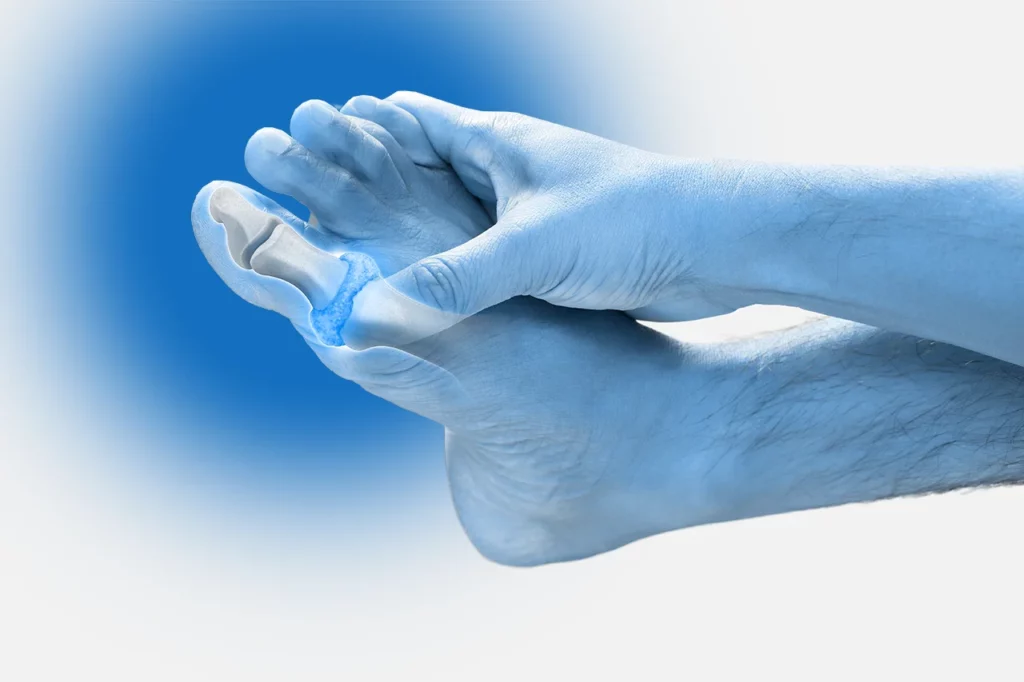
Uric Acid Symptoms: Identifying Joint Pain and Hyperuricemia
Uric acid is a chemical compound produced naturally in the body when it breaks down purines—organic molecules essential for DNA and RNA synthesis. Under optimal conditions, this byproduct dissolves in the bloodstream, travels to the kidneys, and is excreted through urine without causing significant issues. However, when an imbalance occurs between production and excretion, an accumulation known as hyperuricemia develops, which can trigger various health complications. Recognizing high uric acid symptoms is the crucial first step toward preventing chronic conditions and ensuring our metabolic system functions properly.
Addressing uric acid levels in a timely manner is essential because silent accumulation does not always present immediate signs. Ignoring high uric acid symptoms can lead to the development of gout—a painful form of arthritis—or the formation of kidney stones that compromise renal function. Understanding what uric acid is and how it affects joints and organs enables individuals to make preventive lifestyle changes, avoiding debilitating pain and safeguarding long-term quality of life.
Today, the rising consumption of processed foods and sedentary lifestyles have increased high uric acid cases among increasingly younger populations. The future of managing this condition points toward personalized medicine, where dietary adjustments and uric acid medications are tailored not only to blood levels, but also to each individual’s genetic predisposition.
What Is Uric Acid and Why Does It Rise?
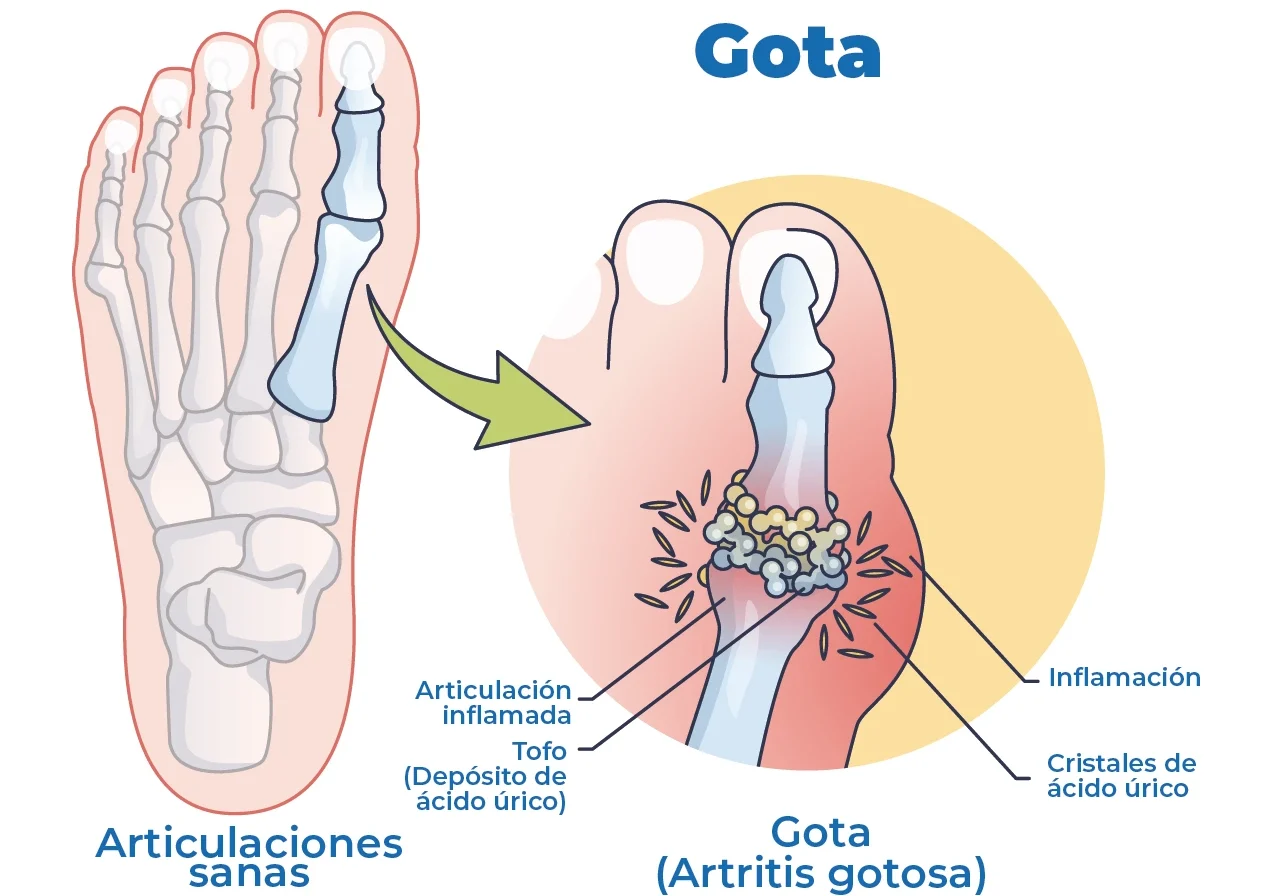
To understand the root of the problem, we must first define what uric acid is. As mentioned, it is the end product of purine metabolism. Purines exist both endogenously (within our own cells) and exogenously (in the foods we consume). Foods with high concentrations of purines include red meat, shellfish, oily fish, and certain beverages like beer. When consumption is excessive or the kidneys fail to filter it efficiently, levels rise, causing urate crystals to deposit in tissues.
The Role of Diet in Hyperuricemia
Diet is the primary factor in most high uric acid cases. A diet high in fructose—commonly found in sodas and processed foods—can spike the production of this compound. The link between what we ingest and how our body processes it is direct; therefore, nutritional management serves as the cornerstone of both prevention and treatment.
Risk Factors and Predisposition
Beyond diet, other factors significantly influence the development of elevated uric acid. Excess weight, hypertension, and genetic predisposition play a fundamental role. Hyperuricemia can remain a silent condition for years, manifesting only when crystals have already caused severe joint inflammation or formed small stones in the renal passages.
Common High Uric Acid Symptoms: How to Identify Them
Recognizing specific uric acid symptoms is essential for distinguishing temporary discomfort from a serious metabolic condition. Many people wonder what a person feels when their uric acid is high, and the answer often depends on how advanced the crystal accumulation is. Symptoms frequently appear abruptly, turning a calm night into an episode of acute pain requiring immediate medical attention.
Inflammation as a Warning Sign
Among high uric acid symptoms, visible inflammation is one of the most notable. When levels become excessive, the immune system reacts to urate crystals as foreign bodies, generating a potent inflammatory response. This causes not only pain, but also a sensation of heat in the affected area and stiffness that hinders normal movement of the limb.
Changes in Urinary Function
Since the kidneys are responsible for excreting this compound, changes in urine are common. A darker color than usual or a particularly strong odor can be indicators that the body is struggling to process the excess waste. In cases where kidney stones have already formed, pain shifts to the lower back or sides, sometimes accompanied by nausea.

Joint Pain and Other Manifestations of Hyperuricemia
The spectrum of high uric acid symptoms is broad and not limited strictly to pain. When hyperuricemia becomes chronic, the body begins to show external physical signs that something is wrong. This is the stage where the condition evolves from an abnormal blood test into a visible disease that affects both body aesthetics and physical functionality.
Tophi Formation Under the Skin
Tophi are deposits of urate crystals that feel like hard lumps beneath the skin. They typically appear in areas such as the elbows, fingers, Achilles tendon, and even the outer ear pinna. While they may not be painful initially, over time they grow and can cause permanent joint deformities. They serve as a clear sign that elevated uric acid levels have been present for an extended period without treatment.
General Malaise and Fatigue
During acute gout attacks or when levels are significantly elevated, patients commonly experience general malaise similar to that of the flu. A low-grade fever and extreme fatigue are the body’s responses to the systemic inflammatory process occurring internally. It is not unusual to feel exhausted even without physical exertion, as the organism dedicates its energy and resources to combating the inflammation.
Initial Symptoms: Pain in the Big Toe and Other Joints
If you wonder which part of the body high uric acid affects most frequently, the answer almost always starts in the lower extremities. The classic symptom is podagra, which is severe pain at the base of the big toe. However, the disease is progressive and can spread to other areas if measures regarding how to lower uric acid are not put in place.
Location of Joint Pain
Pain is typically most intense during the night and early morning hours. The most frequently affected areas include:
- The big toe: The most common site due to lower body temperature in the extremities, which facilitates crystal formation.
- Ankles and knees: Weight-bearing joints where pressure intensifies discomfort.
- Wrists and elbows: Less common initially, but frequently affected in chronic cases.
How Can I Tell If My Pain Is Caused by Uric Acid?
To distinguish this pain from a mechanical injury or another type of arthritis, pay attention to how quickly it appears. In high uric acid cases, symptoms usually reach peak intensity within the first 12 to 24 hours. The skin over the affected joint often appears shiny, red, and extremely sensitive to touch—to the point where even the weight of a bedsheet can cause unbearable pain.
Effective Strategies: How to Lower Uric Acid
Once high uric acid symptoms have been identified, the next step is taking action. Treatment typically involves a combination of lifestyle changes and, if deemed necessary by a physician, uric acid medication. The primary goal is to reduce blood urate concentration below saturation levels, allowing previously formed crystals to begin dissolving.
Dietary Changes and Nutrition
Conscious eating serves as the foundation for lowering uric acid. Key recommendations include:
- Reduce purine intake: Limit consumption of red meats and certain types of fish.
- Eliminate alcohol: Especially beer, which contributes purines and promotes dehydration.
- Increase hydration: Drinking plenty of water helps the kidneys filter out the compound.
- Manage weight: Gradual weight loss helps optimize metabolic function. However, prolonged fasting should be avoided, as it can temporarily raise uric acid levels.
The Role of Exercise and Medical Follow-Up
Regular exercise helps maintain a healthy weight, but it should be performed with caution during acute attacks to avoid further joint damage. Additionally, routine laboratory checkups are essential. Only a healthcare professional can determine if you require specific medications to block uric acid production or enhance renal excretion.
Internal Medicine Department
At the Internal Medicine Department of ABC Medical Center, we provide specialized care tailored to your needs. Contact us today!
Disclaimer: The content of this material is for informational purposes only and does not, under any circumstances, replace a consultation with a medical specialist. ABC Medical Center assumes no liability for alternative uses of this information. If you require further medical advice, please consult your trusted specialist directly.
Frequently Asked Questions
Fuentes: MedlinePlus, Cigna, KidsHealth