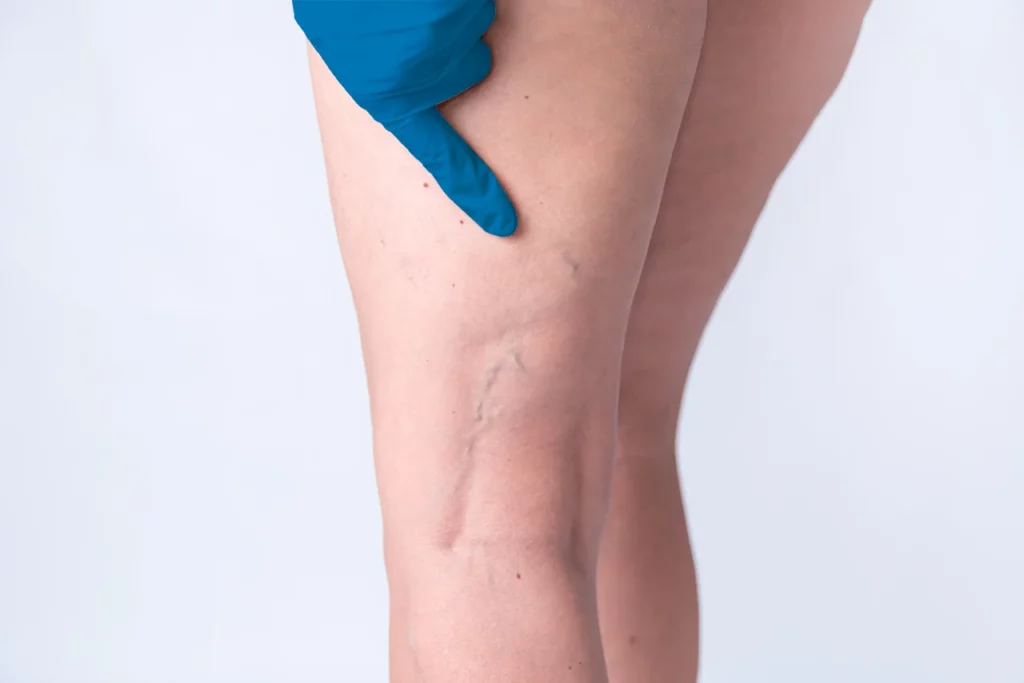
Treatments for varicose veins have advanced enormously in recent years. Today, effective alternatives exist that alleviate discomfort, reduce the appearance of enlarged veins, and, in many cases, eliminate varicose veins entirely. Beyond being a cosmetic concern, this condition can impact quality of life by causing pain, swelling, and complications such as venous ulcers or chronic venous insufficiency.
Varicose veins develop primarily in the legs due to the extra effort required for veins to pump blood back to the heart. To choose the best treatment for varicose veins in the legs, a proper evaluation by a specialist—such as an angiologist or vascular surgeon—is essential. Every case is unique and requires a personalized approach.
In this guide, you will find clear and accessible information on why varicose veins develop, what the most effective treatments are, how to eliminate varicose veins quickly, and what to avoid to prevent them from worsening.
Why Do Varicose Veins Develop?
Varicose veins are enlarged, twisted veins caused by malfunctioning valves responsible for directing blood flow back toward the heart. When these valves weaken or fail, blood can pool, causing the vein to become inflamed and bulge beneath the skin.
Although often viewed as a cosmetic issue, varicose veins in the legs can be a sign of venous insufficiency—a circulation disorder that can progress if not addressed in time.
Main Risk Factors:
- Sex: Women are more prone due to hormonal fluctuations (pregnancy, menstruation, menopause).
- Genetics: Having a direct family member with varicose veins increases your risk.
- Age: The aging process weakens venous valves over time.
- Sedentary Lifestyle: Prolonged sitting or standing hinders venous blood return.
- Obesity: Places increased pressure on leg veins.
- Pregnancy: Elevated blood volume and abdominal pressure heighten the risk.
- Lifestyle Factors: Extremely tight clothing and frequent use of high heels also contribute.
In advanced stages, varicose veins can lead to complications such as venous ulcers, phlebitis, or even thrombosis. Therefore, it is important to address them at the first sign of symptoms: heavy legs, cramping, swelling, itching, or skin changes.
What Is the Most Effective Treatment for Varicose Veins?
There is no single treatment that works for every case. The treatment approach depends on the degree of venous insufficiency, the size of the affected veins, and the patient’s symptoms. Interventions generally fall into two broad categories:
Conservative Treatments
Indicated for mild cases or as a complement to medical procedures:
- Compression stockings: Improve circulation, reduce swelling, and relieve discomfort.
- Lifestyle modifications:
- Exercising regularly.
- Avoiding prolonged periods of sitting or standing.
- Elevating the legs while resting.
- Maintaining a healthy weight.
- Quitting smoking.
- Prescription treatments and topical creams: Can help reduce inflammation, pain, and heaviness. These should always be prescribed or recommended by a specialist.
This type of treatment is highly useful for patients in early stages looking to improve both symptoms and appearance.
Medical Procedures to Eliminate Varicose Veins
For moderate to severe cases, several safe, minimally invasive options are available:
- Sclerotherapy: Involves injecting a solution that causes the damaged vein to collapse; ideal for small veins or spider veins.
- Endovenous laser therapy (EVLT): Seals the vein using laser energy, allowing for a rapid recovery.
- Radiofrequency ablation (RFA): Uses controlled thermal energy to close off the diseased vein.
- Ambulatory phlebectomy: Removes superficial veins through tiny incisions, offering immediate cosmetic results.
- Vein surgery (vein stripping): Removes large or complex veins; used in severe cases or those with venous ulcers.
For venous ulcer treatment, the wound is first managed and circulation improved through compression therapy, but the underlying diseased vein often requires a specialized procedure to prevent recurrence.
Which Is More Effective: Sclerotherapy or Laser Treatment?
When deciding between sclerotherapy and laser therapy, the choice depends primarily on the size and type of the vein:
- Spider veins or small varicose veins: Sclerotherapy is typically recommended.
- Medium to deep varicose veins: Endovenous laser or radiofrequency ablation is generally indicated.
- Very large varicose veins or cases with complications: Surgical intervention is reserved for these instances.
It is worth noting that sclerotherapy is a highly requested treatment for minor varicose and spider veins because it improves skin appearance with minimal procedure time and no surgery needed. On the other hand, endovenous laser therapy is often more effective as a leg vein treatment when significant venous insufficiency is present, achieving long-lasting results with a lower risk of recurrence.
During a medical evaluation, diagnostic studies such as a Doppler ultrasound are used to determine the best technique based on each patient’s venous mapping.
How to Get Rid of Varicose Veins Quickly?
The fastest and most effective treatments are those that permanently close off the affected vein, such as:
- Endovenous laser therapy.
- Radiofrequency ablation.
- Sclerotherapy (depending on vein size).
These procedures are performed in an outpatient setting or minor procedure room under local anesthesia, offering an almost immediate recovery. Most patients resume their normal activities the same day or the next.
In addition to procedures, specialists may recommend:
- Wearing compression stockings daily.
- Walking at least 30 minutes a day.
- Elevating legs in the evening.
- Avoiding excessive heat on the legs (such as very hot baths).
In cases involving venous ulcers, the lesion must first be managed with specialized dressings, debridement, and medical therapy before correcting the primary underlying cause.
What Is the Worst Thing for Varicose Veins?
Certain habits can worsen circulation and accelerate damage to the veins. If you already have venous insufficiency or a family history of it, it is crucial to avoid:
- Sitting or standing for long periods without moving.
- A sedentary lifestyle.
- Obesity or rapid weight gain.
- Smoking.
- Very tight clothing that restricts blood flow at the legs or waist.
- Prolonged heat exposure (saunas, steam rooms, direct sunlight).
- Frequent use of high heels.
- Unchecked physical trauma or leg injuries.
Furthermore, the worst thing you can do for varicose veins is to ignore them when warning signs appear, such as:
- Constant pain.
- Dark discoloration of the skin.
- Persistent swelling.
- Non-healing sores or open wounds (potential venous ulcers).
- Veins that feel hard, hot to the touch, or painful (potential phlebitis).
Prompt care can prevent severe complications that impact your mobility and overall vascular health.
Varicose vein treatment should be tailored to each patient’s unique needs, focusing not only on cosmetic appearance but on overall venous system health. Today, numerous options exist to improve circulation, relieve symptoms, and prevent future complications.
If you have noticed varicose veins in your legs, persistent pain, swelling, or fatigue, consulting a specialist in angiotherapy or vascular surgery is the best step forward. Early diagnosis can be key to preserving long-term vascular health and enjoying lighter, healthier legs.
Vascular, Arterial, and Venous Disease Care
At the Vascular, Arterial, and Venous Disease Unit of ABC Medical Center, we are equipped to provide you with specialized care. Contact us today!