
Child healthcare is one of the fundamental pillars of modern medicine, and the pediatrician is the central figure in this process. This healthcare professional does not merely treat illnesses; they are dedicated to promoting, monitoring, and safeguarding the overall development of children from birth through late adolescence. Depending on the region and medical protocols, this care extends until the patient reaches 18 or even 21 years of age. Their work encompasses a broad spectrum, ranging from disease prevention through vaccination to managing complex physical and emotional health conditions.
Understanding the importance of pediatrics is crucial because children are not "small adults"—their physiology, metabolism, and psychology are in constant development. A pediatrician possesses specialized knowledge to interpret these changes and distinguish normal growth variations from warning signs. Timely care allows for early detection of abnormalities, which drastically improves life prognosis, reduces infant mortality, and ensures that a child reaches their full developmental potential.
Looking toward the present and future, pediatric practice is evolving into a more preventive and technologically integrated model. Today, parents seek more than just remedies for the flu; they require guidance on nutrition, mental health, and neurocognitive development. The future of this specialty integrates digital tools and a multidisciplinary approach, where finding a pediatrician goes hand-in-hand with immediate accessibility and continuous follow-up to ensure healthier, more resilient future generations.
Essential Qualities of a Good Pediatrician
A pediatrician’s role extends far beyond routine checkups; it involves building a deep connection with the family and maintaining sharp clinical insight.
What Is a Pediatrician and What Is Their Role?
A pediatrician is a medical specialist responsible for supervising the physical, mental, and emotional well-being of patients throughout their growth stages. Their primary role encompasses both preventive and curative care. They possess in-depth knowledge of physiological functions that evolve rapidly in developing children. Through their interventions, it is possible to control infectious diseases, lower the incidence of severe complications, and manage chronic conditions. Furthermore, they serve as the primary guide for parents—administering essential vaccines for each stage of life and offering guidance on healthy parenting.
Pediatric Vital Signs Monitoring and Symptom Detection
A vital component of a pediatric consultation is the ability to interpret pediatric vital signs. Unlike adults, heart rate, respiratory rate, and blood pressure in children vary depending on age. A skilled pediatrician recognizes when these parameters indicate an underlying issue. Symptoms in children are often non-specific; for instance, persistent crying or a loss of appetite may be the only visible signs of an illness. The physician uses their expertise to translate these signals into an accurate diagnosis, differentiating between temporary viral processes and conditions that require immediate intervention.
When Should You Schedule a Pediatric Consultation?
Ideally, the relationship with this specialist should begin before birth. Expectant parents are strongly encouraged to begin searching for a pediatrician about three months prior to delivery. This prenatal consultation builds trust, allows for a review of family medical history, and establishes a newborn care plan. Subsequently, visits should occur periodically (known as well-child checkups) to monitor growth—even when the child exhibits no signs of illness.
Accessibility: "Pediatrician Near Me"
In today’s fast-paced world, immediate access is key. When parents search for a "pediatrician near me" or "pediatricians near my location," they are looking for more than geographical proximity; they seek availability and trust. A conveniently located office or easy access to a pediatric hospital in emergencies are factors that parents value highly to ensure swift care whenever needed.
Types of Pediatricians and Pediatric Subspecialties
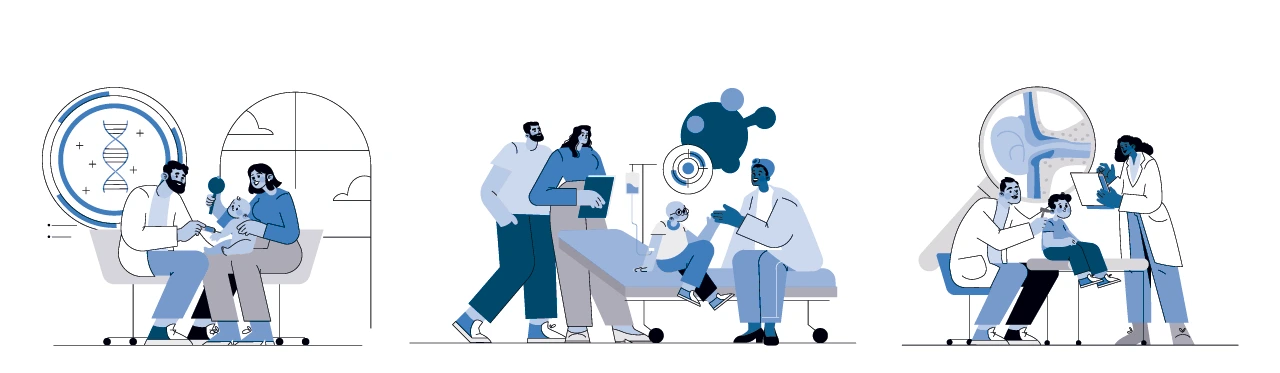
Image Name: pediatra-tipos.webp
Image Alt Text: Illustration of three pediatric subspecialties: pediatric geneticist, pediatric oncologist, and pediatric otolaryngologist.
While a general pediatrician acts as the primary care physician overseeing a child’s overall health, certain conditions demand a deeper level of specialized diagnostic and therapeutic expertise. Pediatric subspecialties adapt adult medicine to the developing bodies of children.
Vital Organs and Systems Specialists
When a child experiences specific, recurrent symptoms, a general pediatrician may provide a referral to a subspecialist for precise diagnosis and advanced care:
- Pediatric Cardiologist: Specializes in diagnosing, treating, and managing heart conditions, including congenital (present at birth) or acquired heart defects. They utilize tools like echocardiograms to determine treatment plans, which may include medication or surgical intervention.
- Pediatric Neurologist: Treats conditions affecting the nervous system, including the brain, spinal cord, and nerves. Consultation is essential for seizures, developmental delays, chronic headaches, or muscle weakness.
- Pediatric Gastroenterologist: Addresses digestive tract disorders. If a child suffers from chronic abdominal pain, severe acid reflux, or food intolerances, this specialist provides medical and nutritional management.
- Pediatric Dermatologist: Children’s skin differs from adult skin and is susceptible to conditions like atopic dermatitis, birthmarks, or cutaneous infections that require delicate, targeted care.
Surgery and Structural Specialists
In some cases, treatment requires physical or surgical procedures.
- Pediatric Surgeon: An expert in pediatric surgical procedures. They repair, extract, or correct physical structures while adapting surgical and anesthetic techniques to a child’s size and physiology.
- Pediatric Orthopedist: Focuses on musculoskeletal issues. From correcting clubfoot to managing scoliosis or fractures, this specialist ensures the skeletal system grows correctly to prevent future physical limitations.
Allergy and Mental Health Care
- Pediatric Allergist (Immunologist): Identifies food, environmental, and skin allergies alongside their underlying triggers. Diagnosis typically involves skin testing, while treatment may include immunotherapy to modulate the immune system.
- Child Psychologist: While not medical doctors (they do not prescribe medication), they collaborate closely with pediatricians to support psychological development, helping address emotional, behavioral, or traumatic challenges during childhood.
Emerging Needs: Ophthalmology and Emergency Care
Visual health is critical for learning. Pediatric ophthalmology corrects early vision issues such as strabismus (crossed eyes) or progressive myopia. Because health emergencies can happen at any hour, access to a 24-hour pediatrician or an emergency room at a children’s hospital is essential for managing sudden high fevers, accidents, or nighttime asthma attacks.
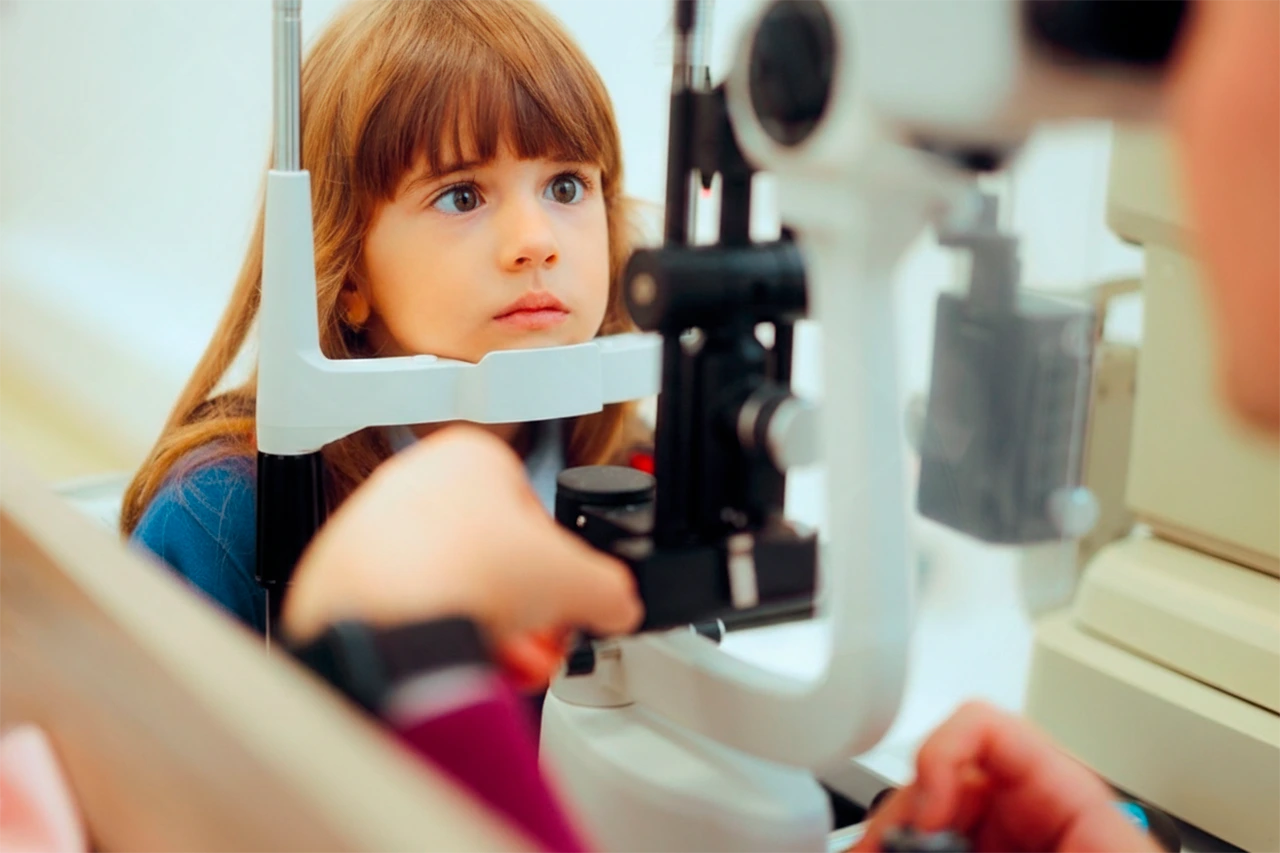
Image Name: pediatra-oftalmologo.webp
Image Alt Text: Pediatric patient in a consultation with a pediatric ophthalmologist during an eye exam.
The Importance of Vaccines and Preventive Medicine
Modern pediatrics relies heavily on prevention. Beyond curing illnesses, the ultimate goal is preventing them from occurring in the first place.
The Vaccination Schedule as a Pillar of Health
One of a pediatrician’s most critical responsibilities is administering vaccines, which prepare the immune system to defend against dangerous pathogens. Physicians maintain strict oversight of vaccination schedules, ensuring children are protected against diseases such as measles, polio, and pertussis (whooping cough). Adherence to these immunization schedules is the single most effective public health intervention for reducing childhood mortality.
Early Diagnosis in the Pediatric Clinic
Regular visits to a pediatric clinic facilitate early detection of health abnormalities. During well-child checkups, the physician performs a comprehensive physical examination that can uncover heart murmurs, hip dysplasia, or visual impairments before obvious symptoms arise. Early diagnosis is the key to less invasive, highly successful treatments.
Treatment of Infectious and Chronic Diseases
Because their immune systems are still developing, children are particularly susceptible to frequent infections. A pediatrician accurately diagnoses and prescribes appropriate treatments (antibiotics, antivirals, or supportive care) while preventing dangerous self-medication practices. They also manage chronic conditions like asthma or type 1 diabetes, educating families on how to maintain a high quality of life.
Nutrition and Growth: Pediatric Monitoring
Physical growth is the most visible indicator of a child’s health. Any deviation from expected growth curves can serve as an early sign of an underlying medical condition or nutritional deficiency.
Weight and Height Tracking
At every checkup, the pediatrician measures a child’s weight, height, and head circumference (in infants). These metrics are plotted on standardized growth charts to ensure the child is progressing along a healthy trajectory. The goal is not merely comparison with peers, but evaluating the consistency of the child’s own growth curve. Faltering growth or unexplained weight loss warrants a thorough investigation into underlying causes, ranging from nutrient malabsorption to hormonal imbalances.
The Role of the Pediatric Endocrinologist
When significant growth anomalies are detected—such as severe short stature, precocious puberty, or delayed puberty—the general pediatrician refers the patient to a pediatric endocrinologist. This subspecialist treats hormonal and glandular disorders affecting metabolism, sexual maturation, and overall physical development.
Nutrition for Optimal Cognitive Development
Proper nutrition supports brain development as much as physical growth. Pediatricians guide parents through introducing solid foods (weaning/complementary feeding), the benefits of breastfeeding, and managing "picky eaters." Adequate nutrition prevents long-term health issues such as childhood obesity, anemia, and vitamin deficiencies that can negatively impact academic performance and energy levels.
At the Pediatrics Center at Centro Médico ABC, we provide specialized care. Contact us today to schedule an appointment!
Frequently Asked Questions
Fuentes:
Kids Health, Stanford Medicine, Scielo