How to Lower High Blood Pressure: What to Do, When It Is Urgent, and How to Manage It
The question of how to lower high blood pressure is often a top priority for people looking to improve their health. However, while knowing how to respond to a sudden spike is vital, the overarching strategy must go further: the true goal is preventing blood pressure from rising in the first place through long-term management and prevention.
High blood pressure is a common condition affecting millions worldwide. Left untreated, it can lead to severe consequences for cardiovascular health and overall well-being. Therefore, understanding how to manage high blood pressure is not just an emergency response—it is an essential life habit to protect vital organs like the heart, kidneys, and brain.
What Blood Pressure Levels Are Considered Normal, Elevated, or High?
In the human body, blood pressure represents the force blood exerts against the walls of the arteries as the heart beats and rests. This force is measured in millimeters of mercury (mmHg) and expressed through two readings: systolic pressure (when the heart contracts to pump blood) and diastolic pressure (the pressure when the heart rests between beats).
To understand how to regulate blood pressure, it is first necessary to identify where a reading falls. Generally, a normal blood pressure reading is considered to be under 120/80 mmHg. Beyond these numbers, readings are categorized as follows:
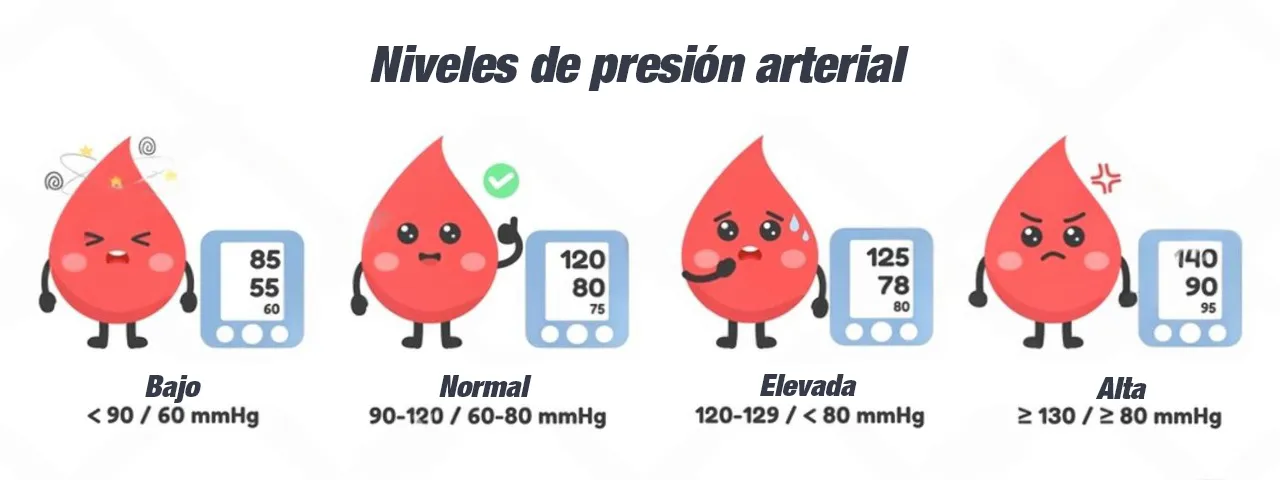
- Normal blood pressure: Less than 120/80 mmHg.
- Elevated blood pressure (prehypertension): 120–129 / less than 80 mmHg.
- Stage 1 hypertension: 130–139 / 80–89 mmHg.
- Stage 2 hypertension: 140/90 mmHg or higher.
- Hypertensive crisis: Higher than 180/120 mmHg.
It is crucial to understand that an isolated reading does not always confirm a diagnosis. However, if elevated values persist, it is necessary to initiate a managed plan to lower blood pressure under medical supervision.
How to Lower High Blood Pressure and Manage It Daily
There are multiple strategies focused on achieving sustained blood pressure reduction. Generally, these rely on foundational lifestyle modifications serving as the primary line of defense:
- Dietary Changes (DASH Diet): A balanced diet is essential. Prioritizing potassium-rich foods (such as bananas, spinach, and legumes), drastically reducing sodium intake, and avoiding ultra-processed foods form the cornerstone of lowering blood pressure naturally.
- Regular Physical Activity: Exercise strengthens the heart, allowing it to pump blood with less effort. Brisk walking, swimming, cycling, and moderate strength training are highly effective methods for reducing blood pressure readings.
- Body Weight Management: Carrying excess weight forces the circulatory system to work harder. Maintaining a healthy body mass index (BMI) is one of the most direct ways to lower blood pressure.
- Stress Management: Chronic stress keeps the body in a state of heightened arousal, elevating heart rate and narrowing blood vessels. Practicing meditation, yoga, or deep breathing techniques helps regulate blood pressure over the long term.
- Avoiding Alcohol and Tobacco: Both substances damage arterial walls and cause both immediate and long-term spikes in blood pressure.
What to Do If Your Blood Pressure Spikes Suddenly
When searching for ways to lower high blood pressure urgently, it is vital to distinguish between a mild increase caused by stress or exertion and a true medical emergency. If you notice a sudden rise without severe symptoms, the first step is to remain calm.
To lower blood pressure quickly during moments of tension, find a quiet area, sit down with your back supported and feet flat on the floor, and take slow, deep breaths for 10 to 15 minutes. Physical and mental rest frequently allows readings to normalize. However, if readings exceed 180/120 mmHg, do not rely on home remedies to lower blood pressure instantly—at this level, immediate medical attention is mandatory.
What Symptoms Can Appear When Blood Pressure Is Very High?
Hypertension is often called "the silent killer" because it typically presents without obvious warning signs. However, when blood pressure reaches dangerously high levels, certain symptoms should never be ignored:
- Severe headache: Particularly in the morning and localized to the back of the head (occipital region).
- Dizziness and vertigo: A sensation that your surroundings are spinning or feeling unsteady while walking.
- Visual disturbances: Blurred vision, double vision, or flashing lights (phosphenes).
- Chest pain: A feeling of tightness, pressure, or discomfort that may radiate.
- Palpitations: Feeling like your heart is beating irregularly or racing.
- Ringing in the ears (tinnitus): Hearing buzzing or high-pitched noises without an external source.
Note: None of these symptoms are exclusive to high blood pressure. If you experience them, seek prompt evaluation by a healthcare provider to determine the underlying cause.
Medications Physicians May Prescribe (And Why Self-Medication Is Dangerous)
In many instances, lifestyle changes alone are not enough to bring blood pressure into a safe range. When readings remain consistently high, a physician may prescribe antihypertensive medications, such as:
- ACE Inhibitors: Help relax and widen blood vessels.
- Diuretics: Help the body eliminate excess sodium and water.
- Beta-blockers: Reduce the heart’s workload and heart rate.
Never attempt to manage a sudden spike by taking someone else’s medication or increasing your dose without consulting your physician. Self-medication can cause a rapid, dangerous drop in blood pressure (hypotension), reducing blood flow to the brain and potentially causing fainting or ischemic stroke.
How to Measure Blood Pressure at Home Correctly
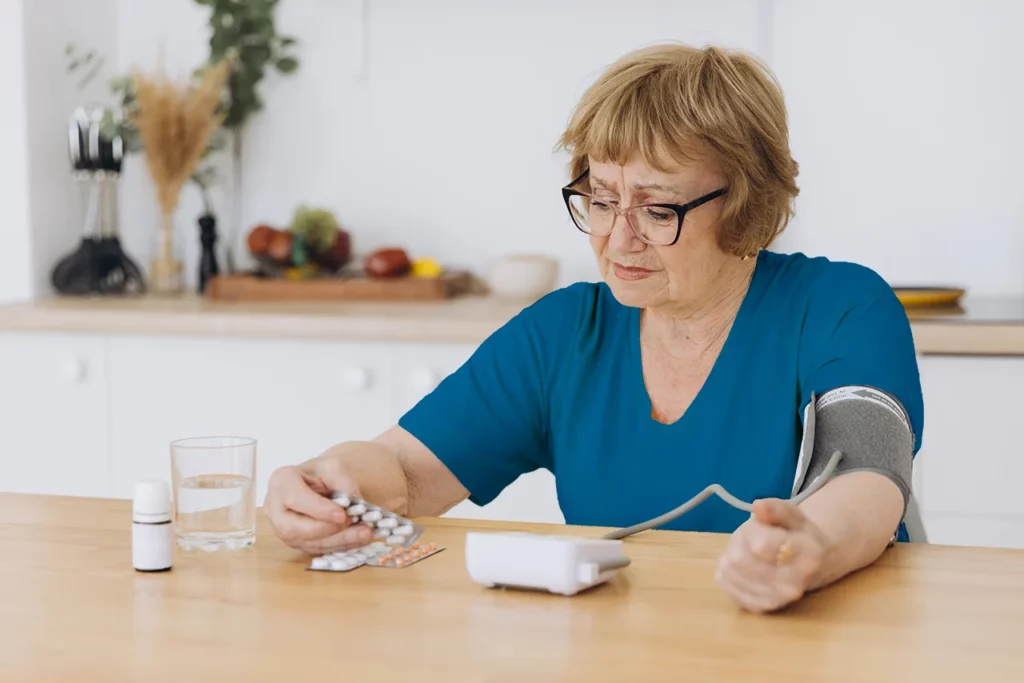
For reliable tracking and long-term management, use a validated digital upper-arm monitor and follow these steps:
- Rest beforehand: Avoid smoking, consuming caffeine, or exercising for 30 minutes prior to reading.
- Correct posture: Sit upright with back supported, feet flat on the floor (do not cross legs), and rest your arm on a table at heart level.
- Silence: Avoid talking during the measurement.
- Keep a log: Take two readings spaced two minutes apart, and log the results to share during your next medical appointment.
When to Consult Cardiology or Go to the Emergency Room
Seek immediate emergency medical care if readings exceed 180/120 mmHg, especially if accompanied by confusion, difficulty speaking, weakness on one side of the body, or shortness of breath.
Even in the absence of acute symptoms, if your home readings consistently register above 130/80 mmHg, schedule an appointment with a cardiologist. Establishing a comprehensive care plan will help regulate blood pressure and prevent long-term complications, such as kidney damage or myocardial infarction.
Cardiovascular Care
At the Cardiovascular Center of ABC Medical Center, our team offers specialized care tailored to your needs. Contact us today!
Disclaimer: The content of this material is for informational purposes only and does not, under any circumstances, replace a consultation with a medical specialist. ABC Medical Center assumes no liability for alternative uses of this information. If you require further medical advice, please consult your trusted specialist directly.
Frequently Asked Questions
Fuentes:
NIH, Texas Heart Institute, Cigna