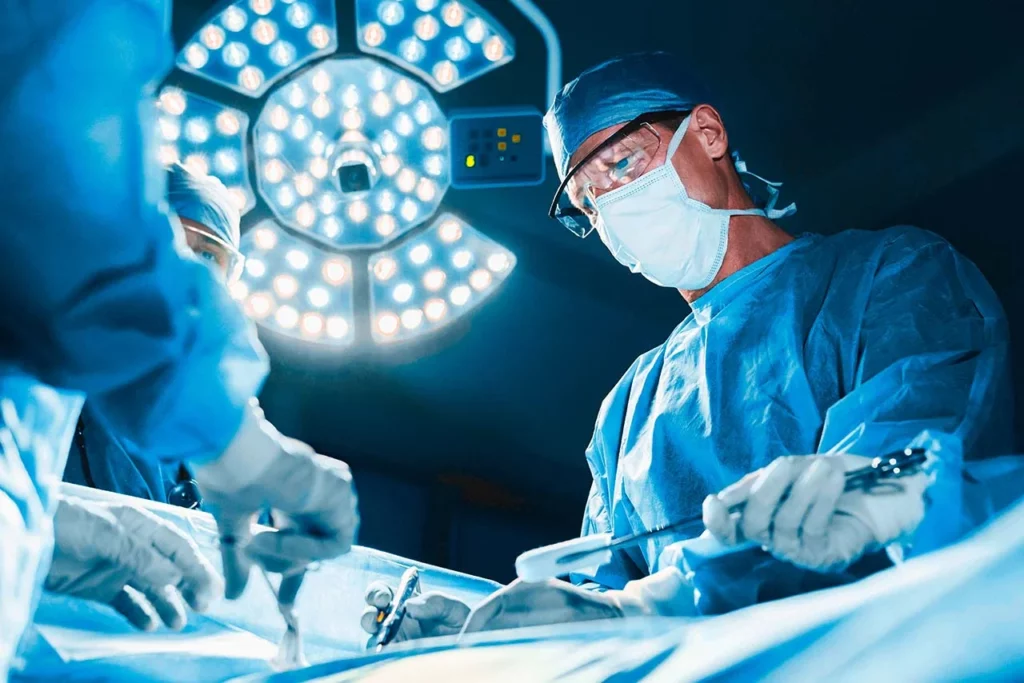
The hospital’s emergency room plays a vital role in healthcare, since it is often the first point of contact for many patients, particularly those who need immediate medical attention.
Emergency triage
Emergency triage is a key component of hospital emergency room management, particularly when the need for care exceeds the medical team’s immediate response capacity.
Triage means “to classify,” and therefore a patient classification system is used based on the severity of their condition and the urgency of care required. This process is carried out by the medical staff when the patient or patients are admitted to the emergency room.
The emergency triage process is designed to ensure that the most critically ill patients receive treatment as soon as possible, and that patients in less critical conditions can wait safely without compromising their health.
Although the way triage is carried out may vary from one hospital to another, in general terms it is classified as follows:
- Level 1 (critical emergencies): this includes patients with life-threatening conditions that require immediate intervention, such as acute myocardial infarction, severe trauma, or anaphylactic shock.
- Level 2 (severe emergencies): these are patients with serious symptoms such as intense chest pain or acute respiratory distress; in general, this includes patients with symptoms that may indicate potentially lethal events, but who still have stable vital signs.
- Level 3 (moderate emergencies): this includes less critical conditions, although they may cause complications if care is not provided within the following hours; this may include severe dehydration, serious infections, or wounds requiring sutures.
- Level 4 (minor emergencies): patients with conditions that may require medical attention but not immediately, such as superficial cuts, uncomplicated infections, or minor fractures.
- Level 5 (non-urgent consultations): patients who present mild conditions that could be treated in an outpatient visit or by a primary care physician, such as minor ailments or the common cold.
Triage is a critical component of the emergency room, as it enables hospitals to manage resources more efficiently.
Emergency physician
Within the hospital emergency room, the emergency physician is the specialist trained to manage a wide variety of critical medical situations, focusing on everything from the initial diagnosis to patient stabilization.
The emergency physician undergoes rigorous training in multiple areas of medicine, as the emergency department may receive all types of cases, including trauma, cardiology, neurology, and pediatric emergencies. For this reason, the emergency physician must be capable of performing invasive procedures such as intubation, central line placement, advanced wound management, and chest tube insertion, among other examples.
It is important for the emergency physician to perform rapid, accurate evaluations, provide immediate intervention through effective teamwork, and remain adaptable, as cases can vary widely.
Urgency and emergency
An aspect that often causes confusion is the distinction between urgency and emergency in medical terms. Although these terms may be used colloquially to refer to the same situation, in medicine, they represent different scenarios; both require rapid medical attention, but their severity and immediacy differ.
Urgency
A situation that requires relatively prompt medical attention but does not pose an immediate threat to the patient’s life, although there is a risk of serious complications if timely treatment is not provided.
Some examples of urgencies include fractures that do not involve organ damage, infections without sepsis, or controlled asthma attacks; in all these cases, it is important to seek medical attention, but the response does not need to be immediate.
Emergency
These involve conditions that immediately put the patient’s life at risk, which is why rapid medical intervention is required to prevent severe consequences or death.
For example, stroke, acute myocardial infarction, or severe trauma with hemorrhage. These situations demand an immediate medical response, as every minute counts.
The hospital emergency room is a place where lives can change in a matter of minutes; for this reason, protocols are designed to ensure that patients receive appropriate care based on the severity of their condition, giving them the best possible chance of recovery.
Hospital emergency room near me
At ABC Medical Center, we have a team of emergency and critical care specialists who are highly trained and dedicated to providing comprehensive, personalized care for all your medical needs.
Our emergency physicians in Mexico City (CDMX) are committed to your well-being and use the latest technology and the most advanced treatments to manage conditions such as heart attacks, trauma, respiratory failure, and more.
If you have an emergency, contact us:
Observatorio
55 5230 8161
Santa Fe
55 1103 1666
Fuentes:
Scielo, MedlinePlus, Cigna