
At ABC Medical Center, we care about your health. That is why we created this manual to help ensure that you and your family have the necessary information to provide appropriate care at home after surgery.
What is a surgical wound?
It is the loss of skin continuity caused by trauma or surgery.
How to care for a surgical wound
- Wash your hands with water and liquid soap before touching the wound.
- The wound should be washed only with water and liquid soap, trying to remove all traces of blood or other material that may have accumulated. Daily hygiene is very important.
- Dry the wound thoroughly with a clean gauze pad or towel.
- Cover the wound with a clean gauze pad if your doctor has indicated so.
What warning signs should you watch for?
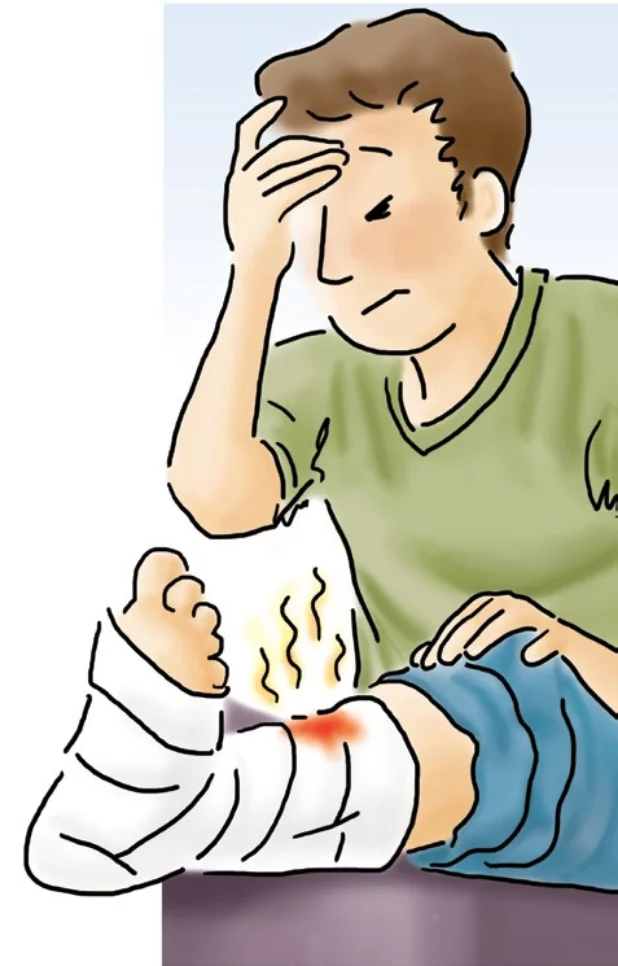
- Redness.
- Swelling.
- Bleeding.
- Increased pain.
- Unpleasant odors.
- Fever.
- Warmth in the incision area.
- Abnormal sensitivity.
- Pus, drainage, or hemorrhage.
- Pain may be normal. If it does not disappear or decrease with the prescribed painkillers taken as directed, you should contact your ABC physician or go to the Emergency Room at ABC Medical Center.
- Surgical wound dehiscence (separation of the skin edges).
Surgical drains
What is a surgical drain?
It is a device that facilitates the exit of fluids or exudates from the body.
What types of drains are there?
There is a wide variety of surgical drains, which will be placed according to medical preference and the type of surgery.
How to care for a surgical drain
- Wash your hands with water and liquid soap before handling the drain, then dry them well. If possible, use gloves.
- If your drain is attached to your gown, clothing, or pajamas, unfasten it for better handling.
- Bend the drain tube, remove the cap, and do not allow the cap or the upper part of the drain to touch any surface. If this happens, clean the cap with alcohol.
- Turn the drain over and gently squeeze it, emptying all the liquid into a clean container (kidney basin).
- Apply pressure or create a vacuum with one hand and then place the cap back on. Afterwards, straighten the tube.
- Secure the drain to your clothing again to prevent it from moving.
- Wash your hands with water and liquid soap.
- Record the date, time, amount, and characteristics of the fluid.
What warning signs and symptoms should you consider?
- The sutures holding the drain to the skin are loosening or are no longer in place.
- The drain is accidentally removed.
- Presence of fever.
- Redness, warmth, and hardening of the skin at the drain insertion site.
- Fluid leaking around the tube insertion site.
- The fluid has a foul odor.
- Increase in the amount of drained fluid.
- Increased pain that does not improve with painkillers.
Medications
What care should you take with your medications?
The role you play in caring for your health is essential to maintaining it. For this reason, it is important that you know which medications you take, when to take them, and how to take them.
Always keep a list of your prescribed medications. If you have any questions, ask your ABC physician.
- Take your medications at the indicated time. If you forget a dose, take it as soon as you remember, but do not take two doses to make up for the missed one.
- Do not increase or decrease your medication unless your doctor instructs you to do so.
- You may be prescribed painkillers for pain control; use them according to medical instructions, before the pain becomes too intense.
- Inform your doctor if your medications do not control the pain or if discomfort increases.

Painkillers are not the only treatment that can help improve pain; there are other alternative methods, such as:
- Changing positions.
- Maintaining an optimistic attitude.
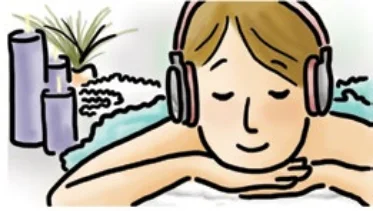
- Using relaxation therapies.
- Heat or cold therapy.
Remember that self-medication is a high-risk practice, avoid it!
Physical activity
During the first days after hospital discharge, remain at home. Sleep at least 8 hours, walk around your house, and gradually return to your normal daily routine.
When your doctor considers it appropriate, you may go outside. On the first day, walk up to 500 meters in the late morning or mid-afternoon, avoiding cold weather or excessive heat. From then on, walk as much as you wish without becoming exhausted or “pushing yourself.”
Remember that recovery should be gradual. Avoid sudden movements, such as running or climbing stairs, and do not lift heavy objects for the period indicated by your doctor.
The best exercise you can do is walking. During the first week, do so on flat terrain, avoiding slopes and stairs. From the second week onward, your doctor will tell you when and what type of activities you may resume.
If you performed breathing exercises during your stay at ABC Medical Center, continue practicing them at home as you were taught. It is also beneficial to perform gentle exercises while seated, such as arm, leg, and head movements. Do not perform sit-ups or abdominal exercises.
After meals, rest for at least one hour. It is not necessary to lie down if you do not wish to. Sit in an armchair, watch television, listen to music, or read. You may enjoy a short nap after meals, as long as it is brief.
Nutrition
Have four to five meals a day, making sure dinner is light and avoid lying down immediately after eating.
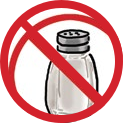
- Eat lightly. Avoid large meals and excessively seasoned foods. It is better to feel like you could eat more than to feel overly full.
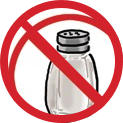
- Eat without salt if you have high blood pressure or a history of heart failure, until your doctor indicates otherwise.
- Avoid animal fats, dairy products, pork products (all types of cold cuts), and lamb. However, you may eat any type of fish, preferably grilled. Avoid shellfish. Skinless chicken is also a good option. Eat vegetables and fruits. You may also consume dried legumes seasoned only with olive oil. If you are diabetic, follow your doctor’s recommendations.
- Drink plain water and avoid alcoholic beverages until your doctor allows them.
- There are various dietary plans available; talk to your doctor about which one is most appropriate for you so that you nourish your body in a healthy way suitable for your recovery.
Deep vein thrombosis
Deep vein thrombosis is the formation of a blood clot in a deep vein.
Signs and symptoms
Below are the clinical signs that may indicate something is wrong and highlight the importance of seeking medical attention as soon as possible:
- Presence of edema (swelling or increased volume) in the affected limb.
- Pain or a sensation of heaviness in the leg, mainly when standing or walking.
- Increased temperature of the affected limb.
- Change in skin color of the affected limb, ranging from red to bluish.
- Fever or general discomfort may be present.
Prevention
It is important to maintain a healthy lifestyle, exercise regularly, and eat a balanced diet to maintain an appropriate weight.
Recommendations
- Refrain from smoking.
- Avoid the use of estrogen-based hormonal medications, especially if you smoke.
- Follow the dietary regimen recommended by your doctor.
- Avoid a sedentary lifestyle: walk or perform some exercises.
- If you must remain seated for long periods, exercise your feet, ankles, and legs (extension, flexion, and circular movements) for at least 10 minutes every hour.
- Wear elastic stockings with mild or moderate compression.
- During long car trips, exercise your feet, ankles, and legs; if possible, stop every two or three hours to walk for a while.
- During airplane travel, avoid tight clothing around the waist, drink plenty of water (avoid caffeine and alcoholic beverages) to prevent dehydration. Exercise your feet, ankles, and legs; if possible, walk along the aisle for a few minutes at least once every hour.
- Consult your doctor for proper prescription and administration of medication.
- In cases of prolonged bed rest, the use of anti-embolism stockings or intermittent pneumatic compression devices is recommended; elevate the foot of the bed 30 to 45 degrees, and exercise your feet, ankles, and legs.
Epidemiological Surveillance Unit


I Take Part in Caring for My Wound
Click here to report the progress of your postoperative wound.
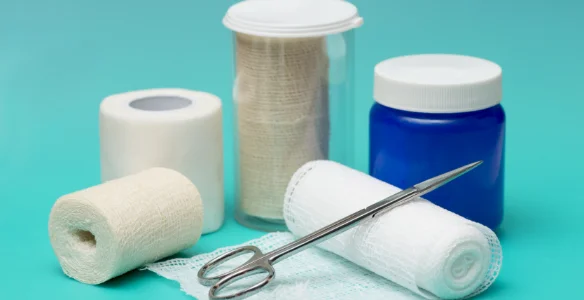
Home Surgical Wound Self-Care Measures
Click here to access a step-by-step guide to support proper surgical wound cleansing and care at home.