Gastritis Treatment: Causes, Symptoms, and the Best Options
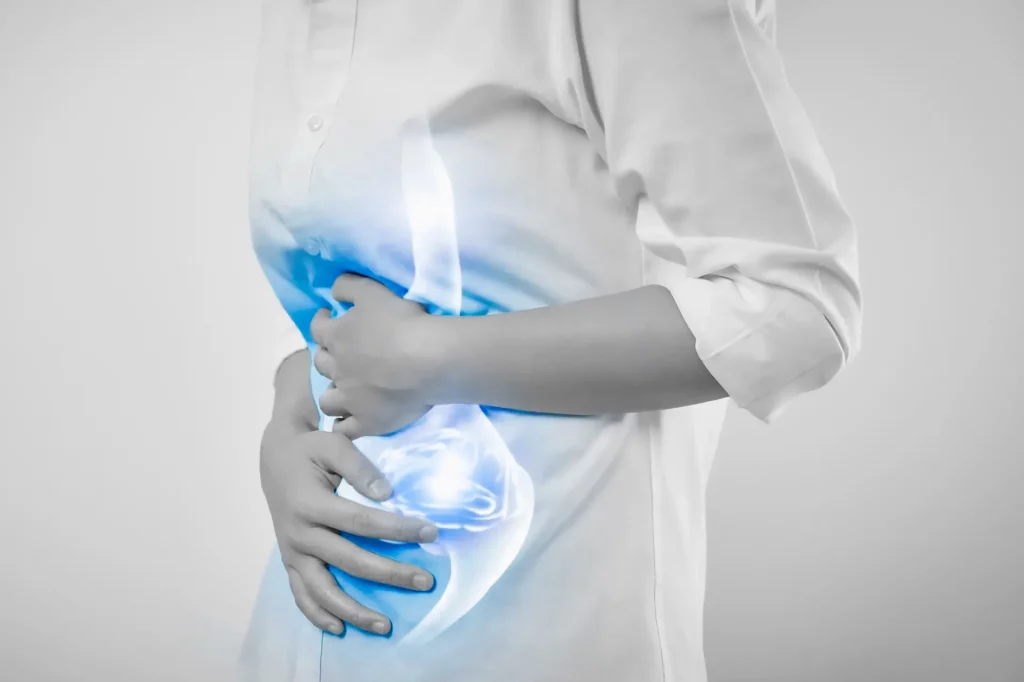
The health of our digestive system is a fundamental pillar of overall well-being, as the stomach processes every nutrient the body needs to function optimally. When the lining of this organ becomes persistently or abruptly inflamed, it triggers one of the most common gastrointestinal conditions worldwide: gastritis. Understanding this condition involves analyzing not only the immediate discomfort it causes in the abdomen, but also the network of biological, environmental, and lifestyle factors that foster its onset in people of any age. Addressing the topic with a solid foundation of information allows patients to identify when temporary discomfort requires structured medical intervention to prevent long-term complications.
Addressing stomach inflammation in a timely manner is crucial due to its direct impact on quality of life and the prevention of more severe pathologies. Many people normalize constant heartburn or indigestion, resorting to self-medication or ignoring their body’s warning signs—which can make the problem chronic and severely damage the gastric mucosa. Early detection and establishing an appropriate treatment for gastritis not only relieve pain efficiently, but also significantly reduce the risk of developing peptic ulcers, gastrointestinal bleeding, or abnormal cellular changes in stomach tissue. Patient education is the first line of defense in transforming harmful habits into self-care behaviors aimed at preserving comprehensive digestive health.
Today, the management of gastric disorders is evolving constantly thanks to the development of more precise pharmacological therapies and a deeper understanding of the human microbiome. Looking to the future, medicine is moving toward personalized approaches where gastritis medications and nutritional plans will be tailored to each individual’s genetics and specific environment. Likewise, new non-invasive diagnostic technologies and predictive analytics using artificial intelligence will facilitate the detection of mucosal alterations before severe symptoms manifest. The landscape of gastric care promises to shift from a predominantly reactive model to a highly preventive, personalized one for the population.
What Is Gastritis and Why Is Timely Management Important?
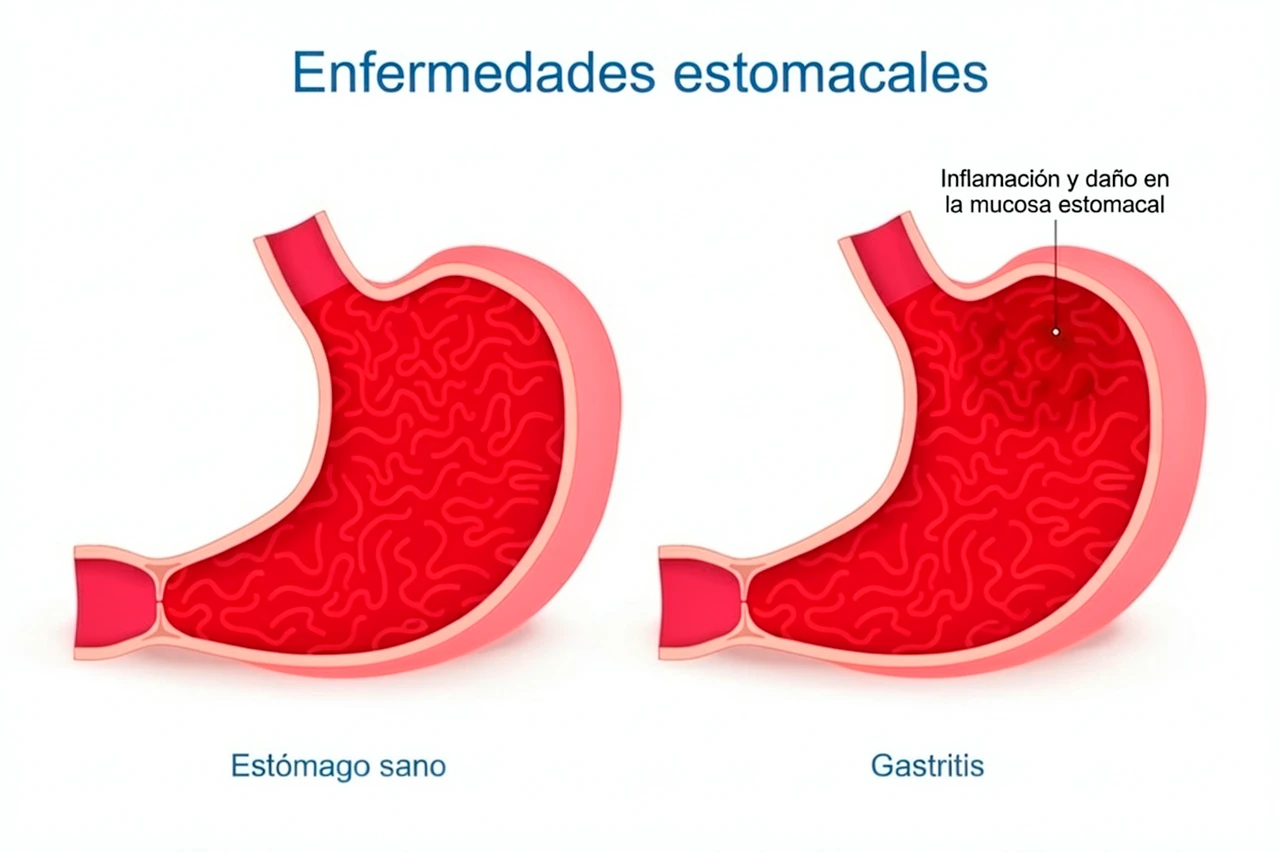
To thoroughly understand this condition, we must first define what gastritis is from a biological yet accessible perspective. The stomach has a specialized inner layer known as the gastric mucosa, whose function is to resist the action of potent hydrochloric acids required for digesting food. When this protective barrier weakens or becomes damaged for various reasons, gastric juices begin to irritate and inflame the organ’s own tissue, causing the condition. This inflammation can manifest suddenly and severely or develop slowly over months or years, affecting nutrient absorption and daily comfort.
Timely management of this medical condition is essential because the stomach lining has a limited capacity for regeneration if subjected to constant aggression. Ignoring early symptoms or superficially mitigating pain prevents tissue from healing properly, opening the door to chronic gastritis, which is far more complex to reverse. Furthermore, a lack of supervision by a gastroenterologist can mask active bacterial infections or foster deep erosion of the stomach walls, compromising overall health. A timely diagnosis allows for the design of a comprehensive therapeutic strategy that restores the stomach’s acid balance and safely returns well-being to the patient.
Primary Causes of Gastritis: Why Does It Occur?
Inflammation of the stomach lining does not occur by chance; it responds to a series of biological and behavioral variables that disrupt the stability of the gastric mucosa. Identifying the causes of gastritis is the essential first step for a specialist to structure an effective and lasting recovery plan. Often, the origin of the condition is not limited to a single factor, but results from a combination of infectious elements, improper use of chemical substances, and the impact of daily life on the body.
Helicobacter pylori Infection: The Most Common Cause Worldwide
The presence of the bacterium Helicobacter pylori in the digestive tract is the leading cause of this disease across the globe. This microorganism has the unique ability to survive in the highly acidic environment of the human stomach because it produces substances that neutralize acidity in its immediate vicinity. The bacterium is typically transmitted through the consumption of contaminated food or water, as well as poor hygiene during food preparation. Once established in the stomach, it colonizes the mucosa and weakens its protective layer, triggering a chronic inflammatory response that requires a specific stomach antibiotic regimen to successfully eradicate it.
Prolonged Use of NSAIDs (Pain Relievers): The Impact of Self-Medication
Frequent and unsupervised consumption of nonsteroidal anti-inflammatory drugs (NSAIDs)—such as ibuprofen, aspirin, or naproxen—represents a critical risk factor for gastric health. These drugs relieve bodily pain by blocking certain chemicals, but simultaneously inhibit the production of essential compounds that protect the stomach lining from its own digestive acid. Prolonged self-medication deprives the stomach of its natural defenses, facilitating the appearance of erosions, severe irritation, and even bleeding ulcers in advanced cases.
Risk Factors: Alcohol Consumption, Smoking, and Oxidative Stress
Other habits and conditions act as direct triggers for stomach mucosa damage. Regular consumption of alcoholic beverages is highly irritating to gastric tissue, as it erodes the stomach walls and leaves them vulnerable to digestive juices. Smoking negatively interferes with the stomach’s defense mechanisms and hinders the natural healing of pre-existing lesions. Likewise, prolonged psychological and physical stress elevates cortisol and hormone levels that increase hydrochloric acid secretion—a recognized medical phenomenon that progressively weakens the gastric environment.
Common Symptoms: What Does Gastritis Feel Like?
How gastritis symptoms manifest can vary considerably among individuals, depending on the intensity of the inflammation and the exact origin of the pathology. While some patients experience acute discomfort that interrupts daily activities, others may carry the disease silently for an extended period without noticing obvious changes. Identifying early warning signs is vital to seek professional guidance before tissue damage worsens.
Warning Signs: Epigastric Pain, Nausea, and Heartburn
The most common symptoms of gastritis are localized in the upper abdominal region, commonly referred to as the pit of the stomach. Patients often describe this sensation as a burning heat or a dull ache that may worsen or improve after eating. In addition to pain, constant nausea, vomiting episodes, a premature feeling of fullness when eating, and persistent indigestion causing visible bloating are very common. In severe situations involving gastric lining bleeding, alarm signs include vomiting blood or dark, tarry black stools—scenarios that require emergency medical attention.
Differences Between Acute and Chronic Gastritis
It is essential to distinguish between the two primary ways this digestive condition develops:
- Acute Gastritis: Appears suddenly with pronounced symptoms, usually tied to heavy intake of irritants, alcohol, or a period of extreme stress. It typically resolves within a few days once the underlying cause is removed.
- Chronic Gastritis: Develops silently and progressively, destroying gastric mucosal cells over years. This form may not cause intense immediate pain, but if left untreated, it impairs the absorption of essential vitamins and can cause permanent structural changes to the stomach walls.
Gastritis Treatment: Medical Management
Designing an effective gastritis treatment must be personalized and determined exclusively by a gastroenterologist after evaluating each patient’s medical history. The primary goal of any medical intervention is to neutralize excess acidity, allow the stomach mucosa to begin its natural regeneration process, and eliminate the root causes that triggered the inflammation in the first place.
First-Line Medications: Proton Pump Inhibitors (PPIs) and Antacids
To control the acidic environment within the stomach, specialists primarily use proton pump inhibitors (PPIs), essential medications that significantly reduce acid production in the organ. Drugs such as omeprazole, pantoprazol, or lansoprazole decrease acid flow, giving stomach tissue the rest it needs to reduce inflammation and heal. Complementarily, fast-acting antacids and mucosal protectants provide immediate relief by neutralizing acid already present in the stomach, easing the uncomfortable burning sensation in minutes.
Bacterial Eradication: Antibiotic Protocols
In clinical cases where diagnostic tests confirm that inflammation is a direct result of the Helicobacter pylori bacterium, using acid inhibitors alone is insufficient. The physician will prescribe a combined antibiotic regimen formulated to completely eliminate this microorganism from the system. It is strictly necessary for the patient to complete the full course of prescribed antibiotics—even if symptoms disappear early—to ensure total eradication of the pathogen and prevent the bacteria from developing drug resistance.
What Relieves Gastritis Immediately?
When a patient asks what relieves gastritis in a moment of crisis, it is important to clarify that immediate symptom relief differs from a definitive cure for the disease. Using doctor-prescribed liquid antacids helps mitigate pain instantly by coating gastric walls and soothing irritation. However, the most common mistake is stopping medical care once the pain subsides; home remedies or over-the-counter quick fixes only mask the problem temporarily without resolving the underlying inflammation, which requires formal clinical follow-up.
Dietary Management and Lifestyle Changes
The success of any pharmacological treatment relies directly on the modifications a patient makes to their diet and daily routines. An inflamed stomach requires a predictable environment free from chemical or physical irritants to achieve sustained recovery over time.
Foods Allowed and Foods to Avoid During a Flare-Up
During mucosal recovery, food selection plays a critical role:
- Foods to Avoid: Restrict consumption of heavily seasoned foods, spicy sauces, fried foods, citrus fruits, coffee, carbonated sodas, and alcoholic beverages, as they stimulate acid secretion and irritate sensitive tissue.
- Foods to Include: Prioritize a bland diet consisting of lean meats (such as steamed or grilled chicken or fish), white rice, cooked and easily digestible vegetables, stewed apples or pears, and plain water—options that do not overburden stomach function.
Importance of Food Hygiene and Meal Schedules
Establishing structured eating habits is as relevant as the quality of food chosen. Dividing daily meals into smaller, more frequent portions is recommended, avoiding prolonged fasts that leave the stomach exposed to its own acid juices without food to process. Additionally, practicing strict hygiene—such as washing hands thoroughly before cooking and ensuring meat is fully cooked—prevents reintroducing harmful bacteria into the digestive system.
Professional Diagnosis: When to See a Gastroenterologist
Self-diagnosing based solely on gastritis symptoms is a high-risk practice that can delay appropriate treatment for more complex conditions or chronic gastritis. Seeing a gastroenterologist for recurrent stomach discomfort is the only safe path to recovering your health and ruling out major gastrointestinal complications.
Common Diagnostic Tests: Endoscopy, Breath Tests, and Blood Work
To accurately determine the state of the stomach lining, specialists utilize several advanced diagnostic tools:
- Upper Gastrointestinal Endoscopy: The most comprehensive study, allowing doctors to insert a small camera to directly view the stomach mucosa and, if necessary, take a tiny tissue sample (biopsy) for lab analysis.
- Urea Breath Test, Stool, and Blood Tests: Used regularly to detect the presence of Helicobacter pylori, providing safe and highly accurate confirmation of the biological origin of the digestive issue.
The Key to Lasting Recovery
Achieving full digestive health and preventing recurrent stomach inflammation requires an ongoing commitment to prevention and adherence to medical advice. Gastritis is a manageable and reversible condition in the vast majority of cases if its structural causes are addressed with seriousness and discipline. Modifying eating habits, learning to manage daily stress, avoiding harmful self-medication, and completing medication regimens prescribed by a gastroenterologist form the foundation for protecting our stomach. Ultimately, caring for our digestive system is a direct investment in our energy, vitality, and overall quality of life.
At the Internal Medicine Department of Centro Médico ABC, we provide specialized care. Contact us today!
Frequently Asked Questions
Fuentes: MSD Manuals, NIH, URMC