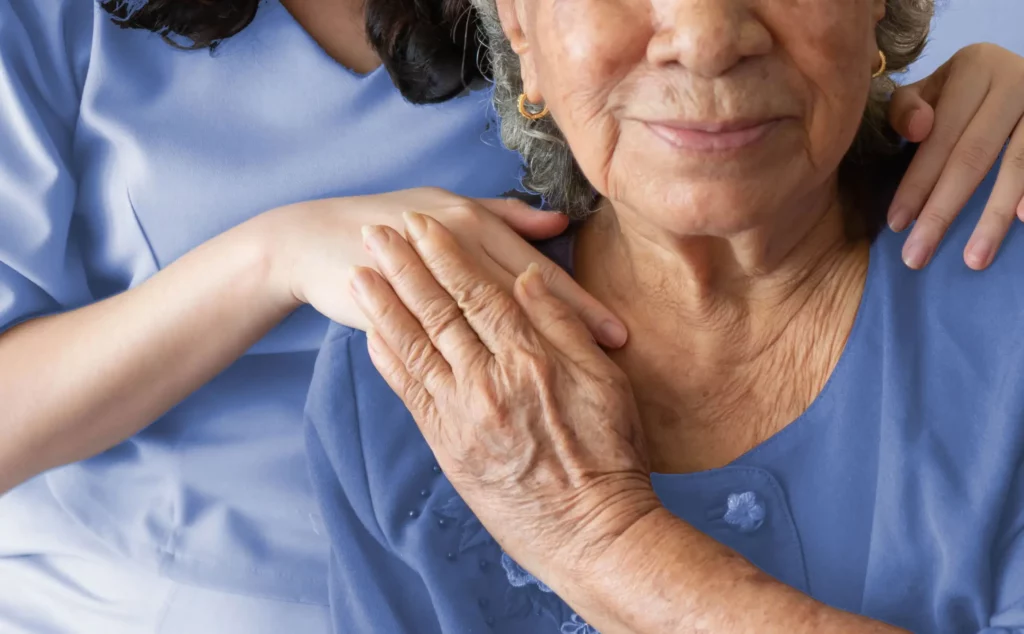
Palliative care is defined by the Pan American Health Organization (PAHO) and the World Health Organization (WHO) as an approach aimed at improving the quality of life of patients and their families facing challenges related to life-threatening illnesses, notes José Carlos Estrada Robles, Master’s in Thanatology and coordinator of emotional support nursing services at ABC Medical Center.
Palliative care includes preventing and relieving pain, as well as physical, emotional, spiritual, and relational suffering, through early identification of symptoms and needs, with a focus on both the patient and their caregivers.
The World Health Organization estimates that around 40 million people need palliative care each year, yet only 14% actually receive palliative or end-of-life care.
Historically, palliative care has focused on people facing life-threatening illnesses, but efforts are now expanding to include people living with chronic conditions that cause ongoing symptoms and suffering, as well as people with disabilities or varying degrees of dependency.
What Does Palliative Care Include?
Palliative care generally comes into play at two key moments:
- Early palliative care: ideally introduced as soon as a person receives a diagnosis that could be life-threatening, such as cancer, where, depending on the stage at diagnosis, the prognosis may still be uncertain, but pain and suffering can already begin to be addressed. This stage also involves supporting family dynamics and addressing emotional needs.
- End-of-life palliative care: this type of care is provided when a patient is nearing the end of life, focusing on comfort, symptom relief, and easing suffering for both the patient and their loved ones.
Estrada notes that palliative care isn’t the opposite of curative care, depending on each person’s situation, both can go hand in hand, with one focused on treating the illness itself and the other on supporting the patient’s and family’s experience throughout that process.
The professionals who should ideally be involved in palliative care include:
- Primary care physician: the doctor who manages the patient’s primary condition and guides the overall medical treatment of the disease.
- Pain management and palliative care specialist: responsible for overseeing care aimed at providing comfort and well-being to the patient and their family.
- Nurses: like other members of the nursing team, they provide direct care to patients and their families, identifying needs and developing an individualized care plan.
- Thanatologists and/or psychologists: they help identify each patient’s specific needs to support an adaptive process that includes illness, death, and, for the family, grief. Their role is essential in helping manage the emotional experience of patients and their loved ones, providing tools to make this process easier.
- Social workers: responsible for identifying the patient’s structural, family, and socioeconomic needs; they also help coordinate support networks, such as connecting patients with relevant organizations, securing resources, arranging hospital admissions, or serving as a liaison with the medical team, among other responsibilities.
- Spiritual guides: this role isn’t tied to any specific belief system or religion, in palliative care, spiritual guidance refers to the set of thoughts, values, concepts, rituals, attitudes, or ideas that help give life a sense of meaning or purpose.
Patients and their families play a very important role in this type of care. The patient, exercising their own autonomy, helps guide the direction of treatment. A core principle of palliative care is respecting the patient’s decisions, for example, regarding treatments and interventions, or who they want by their side.
Because of this, we recommend that the family designate a primary caregiver, the main person supporting the patient, to help streamline communication and provide consistent care and support throughout the process.
At ABC Medical Center, we provide specialized emotional support to our patients and their families throughout this process, to help them navigate these adaptive experiences and their grief.
Palliative care is still not widely promoted around the world, and it often carries stigma, with many mistakenly believing it means giving up on curative treatment or that it’s reserved only for the very end of life. On the contrary, palliative care affirms the value of life; we want patients to live with dignity through their very last day, concludes Estrada.
The Worldwide Hospice Palliative Care Alliance (WHPCA) observes World Hospice and Palliative Care Day on the second Saturday of October each year, aiming to raise awareness and promote access to palliative care worldwide. This year’s campaign theme is “Compassionate Communities: Together for Palliative Care.”
At ABC Medical Center, we can provide you with specialized care. Contact us!