
Physical therapy and rehabilitation form a fundamental pillar of modern medicine, designed to restore functionality and autonomy to those who have experienced injuries or illness. This comprehensive process focuses not only on healing damaged tissues, but on optimizing human movement through scientifically proven interventions. By combining physical therapy with a specialized medical approach, patients can move from pain or disability toward full recovery, allowing them to return to daily activities safely and confidently.
Addressing an injury promptly is vital for avoiding long-term complications and chronic disability. Physical rehabilitation matters because it can prevent temporary discomfort from becoming a permanent limitation that directly affects a person’s emotional and social wellbeing. When someone loses their capacity for movement, their quality of life drops drastically, which is why an accurate functional diagnosis and a personalized treatment plan are the best investment for ensuring an active, resilient life through the challenges of aging or physical wear.
Today, the present and future of physical therapy are closely tied to technological innovation and a more human vision of medicine. We’re living in an era where robotics, virtual reality, and telerehabilitation complement the physiotherapist’s expert hands, enabling more precise follow-up and faster results. The trend is shifting toward preventive medicine, where people no longer seek a specialist only when there’s pain, but turn to physical therapy and rehabilitation to optimize physical performance and prevent mechanical deterioration, ensuring the body functions at its full potential at every stage of life.
What Is Physical Therapy and Integral Rehabilitation?
To understand the path to recovery, we first need to define physical therapy. This health discipline focuses on treating and preventing physical conditions using physical agents (heat, cold, electricity) and, above all, specific exercises and manual techniques. Rehabilitation, on the other hand, is the broader process by which a person recovers the motor functions and capabilities lost due to injury, illness, or surgery.
Key Differences Between Physical Therapy and Rehabilitation Medicine
These terms are often confused, but there are important distinctions. Physical therapy directly applies treatment methods to improve strength and mobility. Rehabilitation medicine, on the other hand, is a broader medical specialty (physiatry) that coordinates the entire recovery process. While physical therapy is hands-on, rehabilitation is the umbrella that encompasses medical diagnosis, specialist coordination, and long-term goal monitoring to restore the patient’s life comprehensively.
The Role of the Physiotherapist in Restoring Movement
You may have wondered what a physiotherapist does day to day. This professional specializes in diagnosing and treating physical dysfunction. Their work begins with a thorough assessment of the patient’s physical state, including a review of medical history and identification of key areas for intervention, such as strength, balance, and range of motion. Once these areas are identified, the physiotherapist guides the patient through relevant exercises, designs personalized plans, and provides education to prevent future injuries, supporting the individual throughout their progress.
The Benefits of Physical Rehabilitation on Quality of Life
Physical rehabilitation isn’t exclusively for people who have had surgery, its benefits extend to anyone who wants to improve their relationship with their own body. The primary goal is restoring autonomy: helping the person walk, run, or simply carry out household tasks again without constant pain.
Recovery After Sports Injuries or Accidents
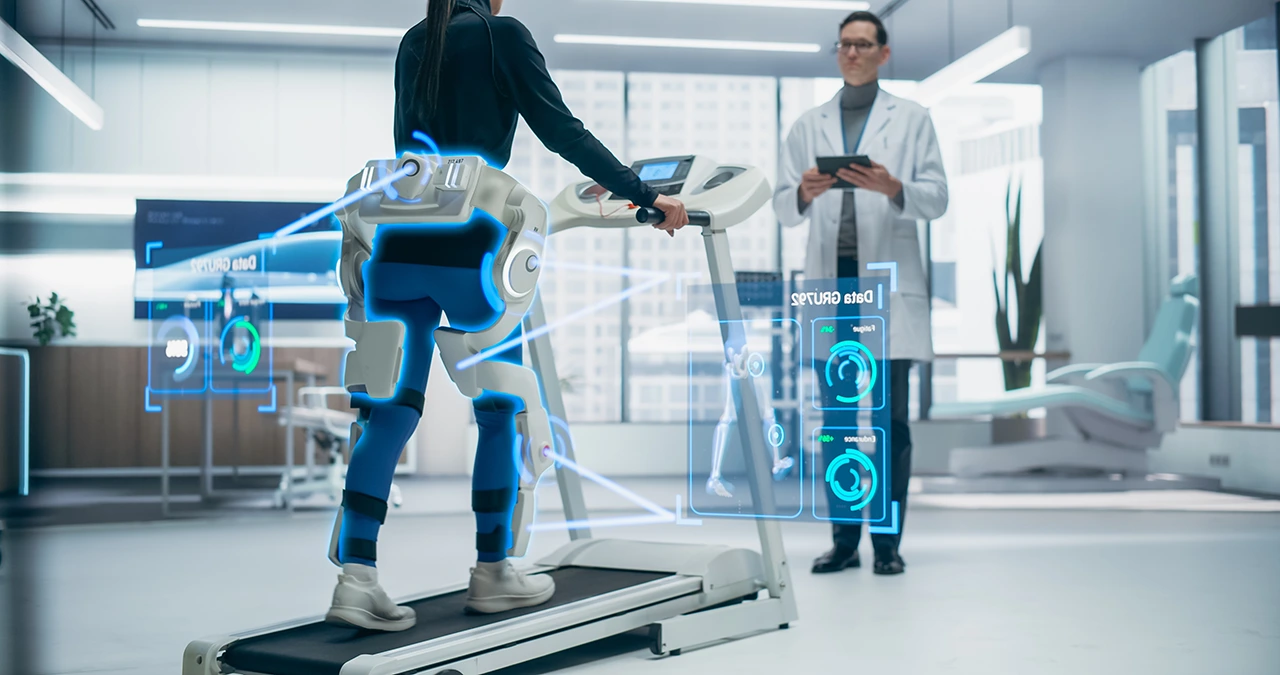
Musculoskeletal injuries are the most common reason people seek care. Whether it’s a sprain, fracture, or ligament tear, physical therapy and rehabilitation help tissues heal correctly and regain their original elasticity. For athletes, this is crucial to returning to their previous competitive level, ensuring the affected area doesn’t become a weak point that causes future setbacks.
Managing Chronic Pain and Preventing Disability
For those living with long-term conditions such as arthritis or chronic low back pain, physical therapy and rehabilitation act as a pain management tool that doesn’t rely exclusively on medication. By strengthening supporting muscles and improving posture, pressure on the joints decreases, preventing damage from progressing to a functional disability that limits the patient’s social and professional life.
Neurological and Post-Surgical Rehabilitation
A critical area of care involves patients who have experienced nervous system damage, such as a stroke or spinal cord injury. Here, rehabilitation aims to reconnect the brain’s movement patterns with the muscles. Similarly, in the postoperative period, early expert-guided movement is key to preventing scar adhesions and muscle atrophy, ensuring surgical success translates into functional success. Outpatient rehabilitation plays an important role in this process.
What Services Does a High-Specialty Rehabilitation Clinic Offer?
Choosing the right rehabilitation clinic makes a real difference in recovery time. These centers offer a controlled environment with equipment that a standard office or home setting simply cannot provide. The infrastructure is built to let patients safely challenge their physical limits under professional supervision.
Manual Therapies and Therapeutic Exercises
Manual therapy is the foundation of any treatment. This includes therapeutic massage, joint mobilizations, and stretching that only an expert can perform safely. These are complemented by scientifically designed exercise programs to build endurance and flexibility, adapted to each body’s specific needs and condition.
Advanced Technology: Electrolysis, Laser, and Thermotherapy
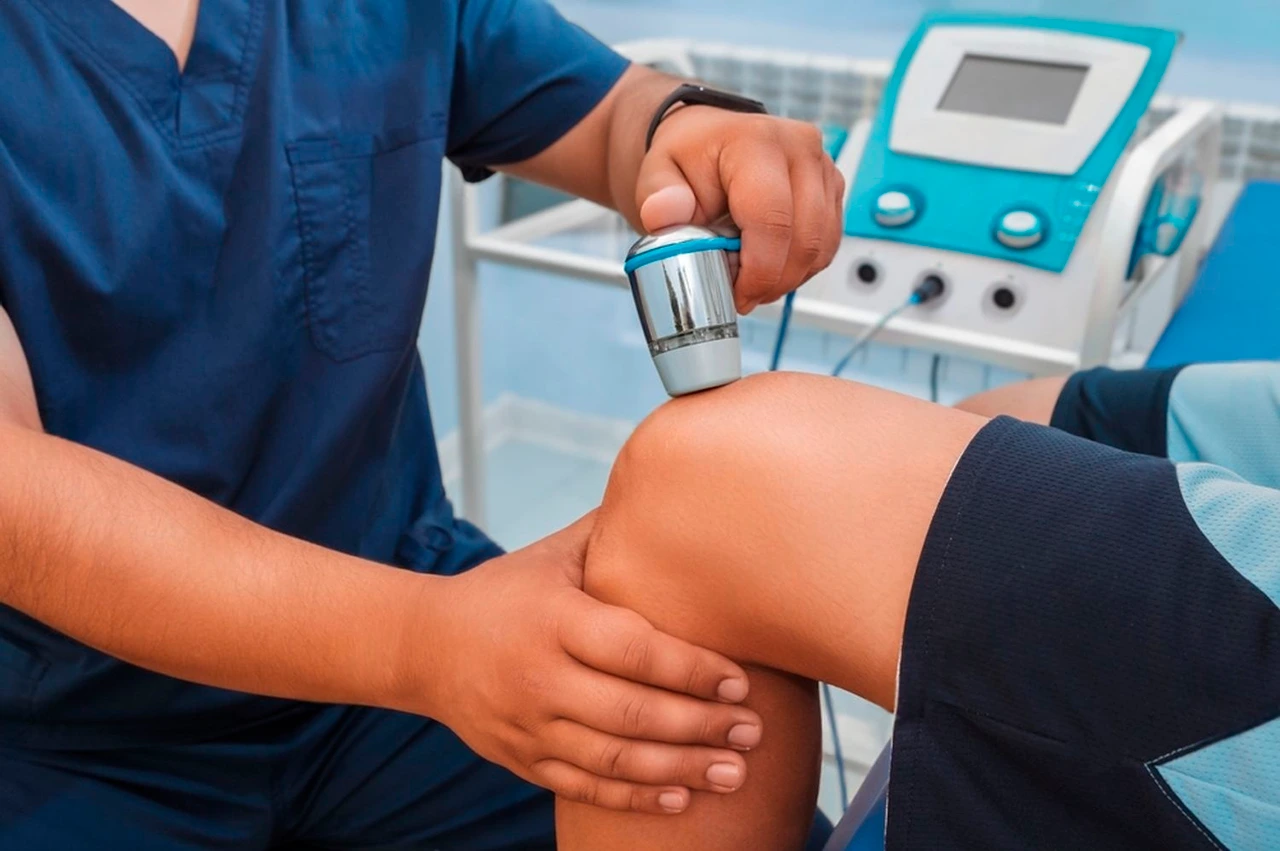
The best clinics incorporate state-of-the-art technology to accelerate the body’s biological repair processes. Among the most used equipment:
- Electrotherapy and ultrasound: used to reduce inflammation and stimulate muscle fibers.
- Thermotherapy and cryotherapy: controlled application of heat and cold to manage blood flow and pain.
- Traction equipment and hydrotherapy: specialized pools that allow exercises with reduced joint impact, ideal for patients with very limited mobility.
Personalized Physical Medicine Programs
No magic formulas exist in healthcare. A high-specialty center offers programs that analyze progress week by week. This includes patient education about their own anatomy, teaching them which movements to avoid and which to encourage, so that recovery continues even after leaving the therapy session.
The Physical Medicine and Rehabilitation Specialist (Physiatrist)
Within the healthcare system, the physical medicine and rehabilitation specialist (physiatrist) directs the entire process. This physician has years of additional training, understands human physiology at a deep level, and can prescribe complex treatments.
When to See a Physiatrist vs. a Physiotherapist
Seeing a physiatrist is ideal when the diagnosis isn’t clear, when the pain is neurological in origin, or after major surgery. The physiatrist makes the medical diagnosis and prescribes treatment, while the physiotherapist executes the specific techniques and exercises. In many cases, both work side by side to offer 360-degree care.
Functional Diagnosis and Personalized Treatment Plan
The specialist’s approach is grounded in functional diagnosis, it’s not just about knowing “what hurts,” but understanding “how that pain affects your daily function.” With this information, the specialist develops a plan that may include specific medications and technological interventions, ensuring every step of treatment has a clear clinical objective.
How to Choose the Best Rehabilitation Specialist Near Me
When searching for a “rehabilitation specialist near me,” it’s easy to feel overwhelmed by the options. However, you shouldn’t leave health decisions to chance. Proximity matters for consistent treatment, but the quality of the professionals and facilities must always come first.
Factors to Consider: Certifications, Facilities, and Location
Make sure the center has certified specialists and that the facilities meet hygiene and accessibility standards. A quality clinic should have well-defined physical therapy areas, modern technology, and a verifiable track record of success with patients whose conditions are similar to yours.
The Importance of Multidisciplinary Care at Health Centers
At ABC Medical Center, comprehensive care is offered, with the Physical Medicine and Rehabilitation team working alongside orthopedists, neurologists, and cardiologists. Having a team of highly trained specialists in Mexico City ensures that your rehabilitation isn’t an isolated effort, but a coordinated strategy to restore your quality of life following strokes, sports injuries, or degenerative diseases such as rheumatoid arthritis.
At ABC Medical Center’s Physical Medicine and Rehabilitation area, we can provide you with specialized care. Contact us!
Frequently Asked Questions
- What is physical therapy and what is it for?
Physical therapy is a health discipline that uses physical means and exercises to treat injuries and improve mobility. It relieves pain, restores strength after injury or surgery, and helps prevent long-term disability, promoting an active, healthy life.
- How long does a typical physical rehabilitation session last?
Sessions generally last between 45 and 60 minutes. This varies based on each patient’s personalized plan and the complexity of the techniques used during the session, including manual therapy and equipment-based interventions.
- Is physical therapy and rehabilitation painful?
While some mobilization techniques may cause a slight, momentary discomfort, the primary goal is to reduce pain. A professional physiotherapist will always work within the patient’s tolerance limits to ensure a positive therapeutic experience.
- What’s the difference between a regular massage and physical therapy?
A regular massage typically provides relaxation. Physical therapy uses therapeutic massage as part of a clinical diagnosis to treat specific muscle problems, improve circulation, or release tissues adhered by scar tissue.
- Do I need a medical referral to go to a rehabilitation clinic?
While you can seek care on your own for mild discomfort, it’s ideal to have a prior diagnosis from a specialist so treatment is more precise and safe, especially in post-surgical or chronic injury cases.
- What does a physiotherapist do to prevent future injuries?
Beyond treatment, the physiotherapist educates patients on postural hygiene, correct load-bearing techniques, and preventive strengthening exercises that protect joints and muscles from the demands of daily life.