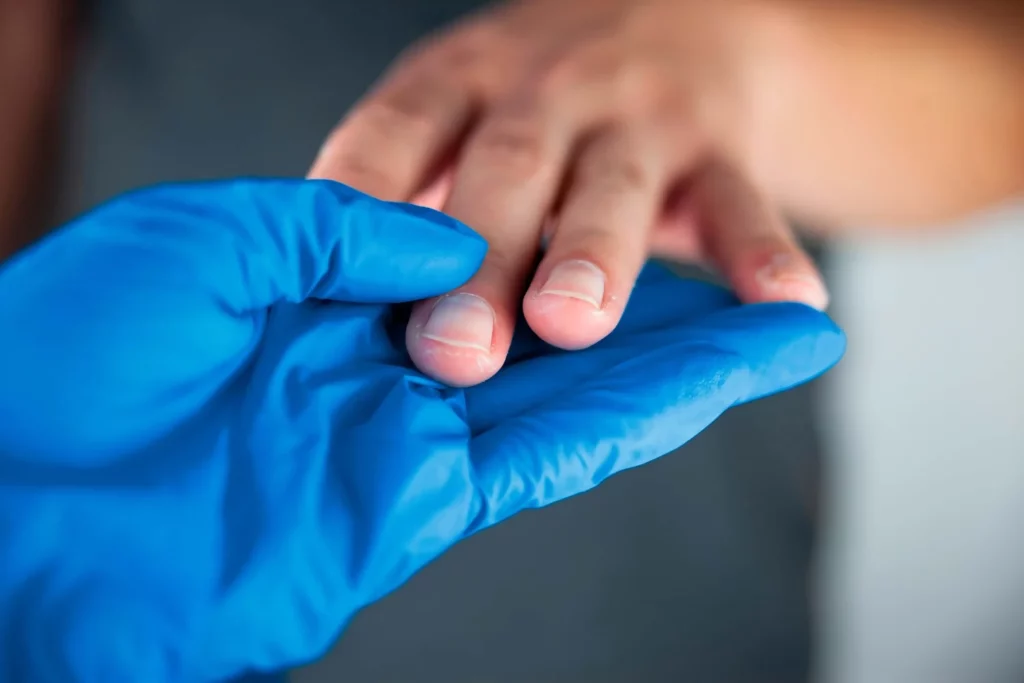
Dyshidrosis affecting the hands or feet can be an uncomfortable and disruptive condition. It is sometimes mistaken for contact dermatitis of the hands, as both are skin conditions that share some similar features.
What Is Dyshidrosis?
Also known as dyshidrotic eczema, dyshidrosis is a skin condition in which small, fluid-filled blisters appear suddenly, most often on the palms of the hands, the sides of the fingers, and occasionally the soles of the feet. While they typically clear up within a few weeks, these blisters have a tendency to come back.
While the exact cause of dyshidrosis is not fully understood, several risk factors have been identified:
- Allergies: Contact or environmental allergies can trigger dyshidrosis flares. Commonly implicated substances include nickel, cobalt, fragrances, preservatives, pollen, and dust mites.
- Excessive sweating: Hyperhidrosis is a frequent trigger; sweat can block the sweat ducts and promote blister formation.
- Genetic factors: People with a personal or family history of eczema, asthma, or allergic rhinitis are at higher risk of developing dyshidrosis.
- Stress: Both emotional and physical stress can trigger flares by affecting the immune system and increasing susceptibility to inflammatory skin conditions.
- Irritants: Contact with irritating substances, including soaps, detergents, solvents, household cleaning products, and industrial chemicals, can trigger or worsen dyshidrosis.
- Infections: Bacterial or fungal skin infections can act as a trigger or exacerbate existing symptoms.
- Climate and seasonal changes: Transitioning between warm and humid conditions, or exposure to cold environments, can promote the development of dyshidrosis.
- Immune system dysregulation: Since dyshidrosis is an inflammatory skin disease, any underlying immune system imbalance can contribute to skin inflammation and flare-ups.
Itchy Fluid-Filled Blisters on the Feet
One of the most bothersome symptoms of dyshidrosis is the appearance of intensely itchy, fluid-filled blisters on the feet.
These small blisters develop suddenly and are often accompanied by a burning or itching sensation. Their appearance on the feet can be triggered by wearing closed-toe shoes, prolonged exposure to warm or humid environments, or excessive sweating.
Treatment for Dyshidrosis
Treatment varies depending on the frequency of flares and the severity of symptoms. In general, the goals are to relieve itching, reduce inflammation, and prevent the formation of new blisters.
Key management strategies include:
- Proper hygiene: Keeping the hands and feet clean and dry is essential for preventing blister formation.
- Moisturizing: Applying fragrance-free moisturizing creams helps keep the skin supple and prevents dryness, which can worsen the condition.
- Avoiding triggers: Identifying and minimizing contact with known irritants, such as certain soaps or chemical products, is an important preventive measure.
- Appropriate clothing and footwear: Wearing breathable fabrics and footwear that allow the skin to ventilate and wick away moisture helps keep the skin dry and reduces the likelihood of blister formation.
- Medical treatments: Several types of medications are available to reduce inflammation and relieve itching. Others target the immune system's inflammatory response, reduce allergic reactivity, or address excessive sweating directly.
While dyshidrosis on the hands and feet can be uncomfortable and frustrating, effective treatments are available to manage symptoms and reduce recurrence. Before starting any treatment, consulting a dermatologist is strongly recommended for a proper evaluation and personalized care plan.
ABC Medical Center’s Internal Medicine Department offers specialized dermatological care. Contact us today!
Fuentes: MAPFRE, MSD Manuals, UCSD