
If you’re wondering whether you might have endometriosis, the first step is to look at how intense your menstrual symptoms are and compare them against the clinical warning signs. If you have chronic pelvic pain that doesn’t improve with common pain relievers, deep pain during intercourse, or trouble getting pregnant, there’s a good chance you should see a specialist for further evaluation.
It’s important to understand that, while you can recognize the warning signs yourself, an endometriosis diagnosis can only be confirmed by a gynecologist through a detailed clinical evaluation and specific imaging studies. Catching it early not only improves your quality of life but also protects your long-term reproductive health.
What Is Endometriosis? A Clear DefinitionIt’s often mistaken for bad cramps, but it’s actually a systemic disease. Endometriosis is defined as the presence of tissue similar to the endometrium (the lining of the uterus) outside the uterine cavity. This “misplaced” tissue commonly settles on the ovaries, fallopian tubes, and the ligaments that support the uterus. Just like the normal endometrium, this tissue responds to the hormonal changes of the menstrual cycle, it thickens, breaks down, and bleeds each month. But since it has no way to exit the body, it becomes trapped, causing inflammation, scarring (adhesions), and intense pain.
Symptoms That May Suggest EndometriosisUnderstanding how to tell if you have endometriosis means paying attention to patterns in your cycle. According to Dr. José Manuel Septién Guevara, minimally invasive gynecologic surgeon at ABC Medical Center, symptoms don’t always match the severity of the disease, some women with mild endometriosis experience severe pain, while others with advanced cases have barely any symptoms at all.
Severe Menstrual Pain (Dysmenorrhea)Dysmenorrhea is the most common symptom and the main reason patients seek answers about whether they might have endometriosis. Unlike typical cramps, this pain is debilitating, can start days before the period begins, and can persist after it ends. It’s often described as a sharp, stabbing pain in the lower abdomen or lower back.
Pain During Sex (Dyspareunia)Pain during or after sex is an important warning sign. It typically feels like deep pelvic pain, especially in certain positions, due to endometrial implants on the ligaments supporting the uterus or in the area behind the vagina.
Pain When Urinating or Having a Bowel MovementIf you experience pain going to the bathroom specifically during your fertile or menstrual days, it may be a sign that endometrial tissue is affecting the bladder or the rectosigmoid area of the intestine.
Heavy or Irregular BleedingVery heavy periods (menorrhagia) or dark spotting between periods are common indicators. Cyclical hormonal stimulation causes areas of endometriosis to bleed internally, increasing the body’s inflammatory response.
Infertility and Difficulty Getting PregnantEndometriosis is known as the “silent disease” among women trying to conceive. It’s estimated to be present in 35% of women with infertility. The tissue can block the fallopian tubes or affect egg quality due to the inflammatory environment in the pelvis.
How Is Endometriosis Diagnosed?The process for detecting endometriosis has evolved to help avoid delayed diagnoses, which on average take between 7 and 10 years. An accurate diagnosis requires a multidisciplinary approach.
Clinical Evaluation and Medical HistoryIt all starts with an in-depth interview. The doctor will review your family history, since there’s a clear genetic predisposition if your mother or grandmother had the condition. The doctor will also look into retrograde menstruation, a phenomenon where blood flows backward through the fallopian tubes into the pelvic cavity instead of leaving the body.
Specialized Physical ExamDuring the visit, the gynecologist performs a physical exam to check for any suspicious nodules. This exam can help identify whether the uterus is “fixed” or tilted due to adhesions, or whether there are painful lumps behind the vagina.
Deciding on Additional TestingNot every case requires the same tests. The doctor will decide on the best path forward based on symptom severity and the patient’s medical history.
Diagnostic Methods: What to ExpectThe physical exam is the first step. While it doesn’t always reveal the disease in its early stages, it’s essential for identifying localized pain and pelvic masses.
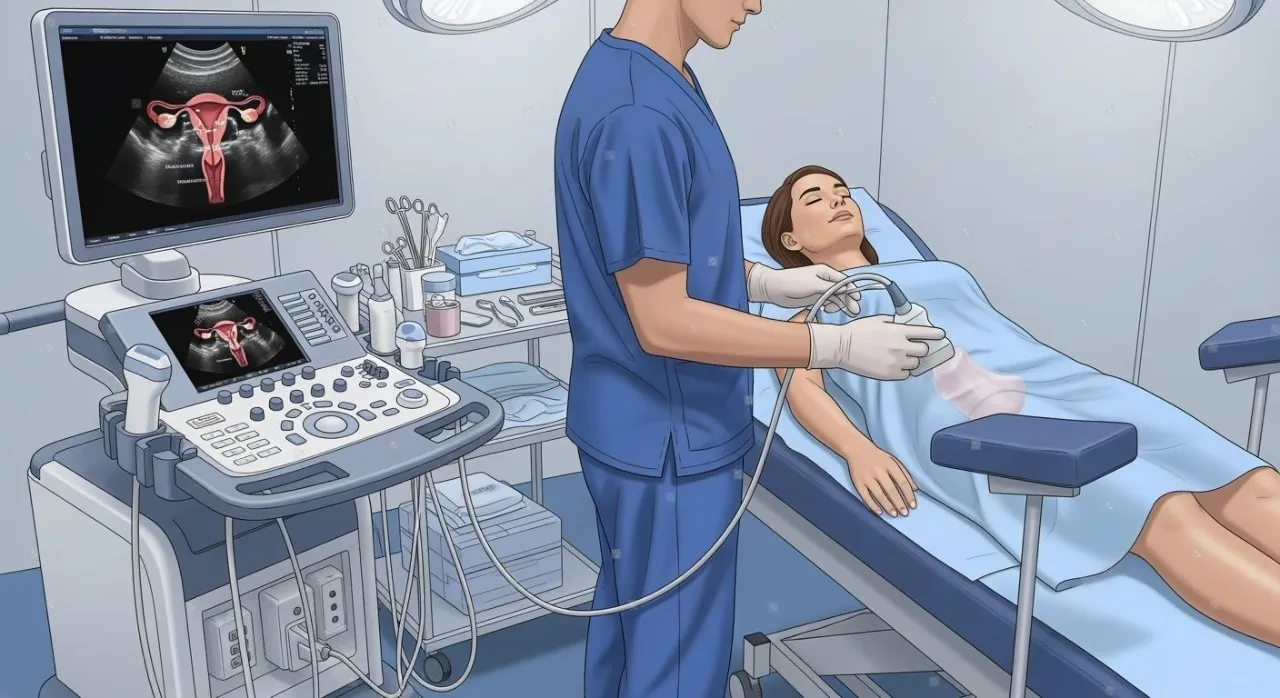
Transvaginal Ultrasound and MRIIf you’re looking for ways to detect endometriosis without going straight to surgery, these tests are key.
- Specialized transvaginal ultrasound: this isn’t a standard ultrasound, it needs to be performed by an expert in endometriosis mapping to identify deep lesions.
- Magnetic resonance imaging (MRI): provides a detailed view of the pelvis, allowing doctors to see lesions in nearby organs like the bladder or intestine.
Laparoscopy: The Gold StandardLaparoscopy is the only method that allows for a definitive visual and microscopic confirmation. It involves inserting a small camera through the navel under general anesthesia. This allows the surgeon to directly observe the lesions, the so-called “chocolate cysts,” and the adhesions binding organs together.
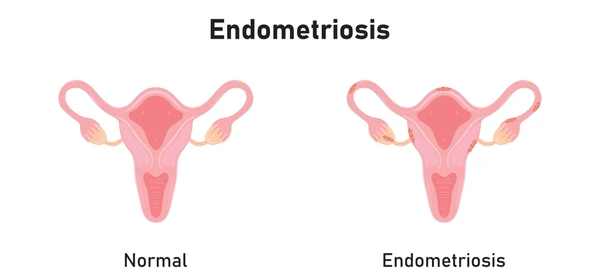
Can Endometriosis Be Seen on Imaging?A common question patients have is what endometriosis actually looks like on medical imaging. In visual terms:
- On ultrasound/MRI: it appears as dark masses called endometriomas (ovarian cysts filled with old blood). It can also appear as thickened ligaments or a loss of the natural mobility of the pelvic organs.
- On laparoscopy: the specialist sees “burn”-like spots or black, red, or white lesions on the peritoneum. In advanced cases, the anatomy appears distorted, as if the organs were “stuck” together due to scarring.
Knowing what endometriosis looks like helps doctors classify the disease into stages (I through IV), which guides the course of treatment.
When Should You See a Specialist?It’s time to seek professional help if:
- Your menstrual pain forces you to miss work or school.
- The pain doesn’t improve after taking over-the-counter pain relievers.
- You feel sharp, stabbing pain during penetration.
- You’ve been trying to get pregnant for over a year without success.
Don’t let the myth that “periods are supposed to hurt” delay your care. Dr. Septién emphasizes that persistent pain is always a sign that something in the body needs medical attention.
Endometriosis TreatmentOnce the diagnosis is confirmed, the goal is to manage symptoms and, if needed, restore fertility. Treatment is based on three main approaches:
Medical and Pain Management TreatmentNonsteroidal anti-inflammatory drugs (NSAIDs) are used to reduce inflammation and acute pain. This is a supportive measure to help improve day-to-day quality of life.
Hormonal TreatmentThe goal here is to reduce the hormonal stimulation driving the lesions during the menstrual cycle.
- Birth control: helps regulate and reduce bleeding.
- Chemical menopause: in severe cases, medications are used to temporarily stop estrogen production in order to “dry out” the endometriosis implants.
Surgical Treatment (Minimally Invasive)Through laparoscopy, the surgeon can remove the lesions. Minimally invasive surgery allows for a faster recovery and aims to clear the pelvic cavity so the organs can return to normal function. While surgery improves success rates, some patients may still need assisted reproductive techniques to achieve pregnancy.
Specialized Care at the Women’s CenterAt ABC Medical Center’s Women’s Center, we understand that endometriosis affects not just the body, but also women’s emotional health and life plans. We have specialists in minimally invasive surgery and fertility clinics designed to provide you with an accurate diagnosis and a compassionate, advanced treatment plan.
If you’ve been repeatedly asking yourself how to tell if you have endometriosis, the first step is a consultation with our experts. Don’t live with the pain, start feeling better today.
At ABC Medical Center’s Women’s Center, we can provide you with specialized care. Contact us!