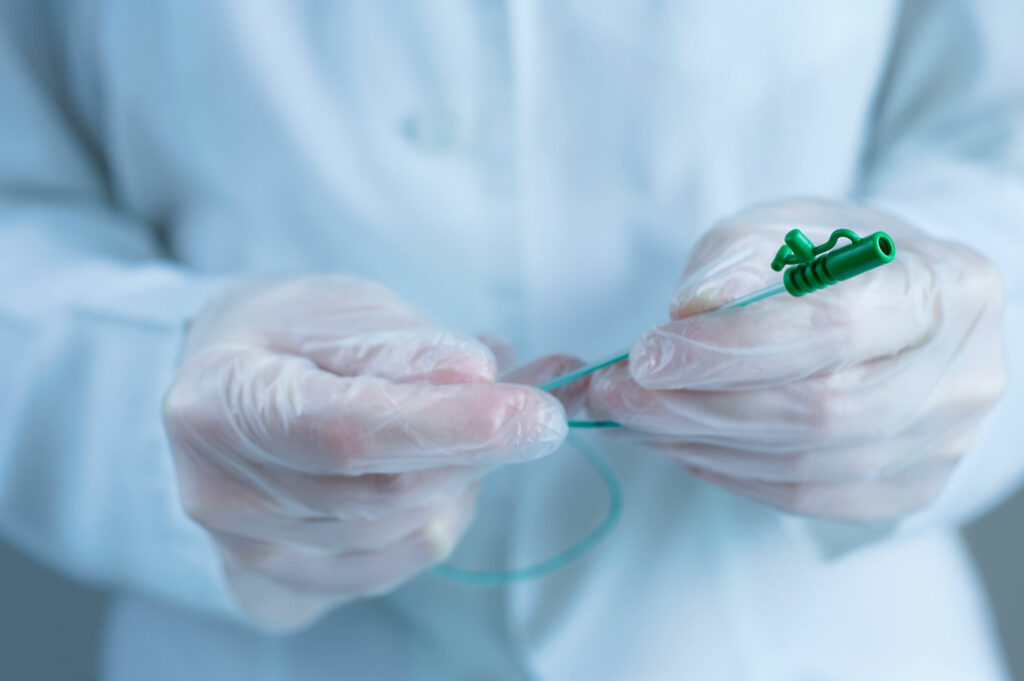
Cardiac catheterization is a procedure used to diagnose or treat certain types of heart conditions; it is also known as a hemodynamic study.
Cardiac Catheterization: Risks and Benefits
A common question is whether cardiac catheterization is dangerous. In this context, however, it is important to emphasize that this procedure yields vital information regarding the heart, its valves, and its blood vessels.
What Is a Catheterization?
It is common to wonder what catheterization involves. Cardiac catheterization is an invasive procedure in which a thin, flexible tube called a catheter is inserted through a blood vessel in the groin or arm and guided to the heart.
This procedure is routinely performed when there is suspected coronary artery disease, congenital heart disease, heart failure, heart valve disease, or damage to the walls and inner lining of the heart’s blood vessels.
Through this procedure, physicians can identify blocked or narrowed blood vessels, measure pressure and oxygen levels in different parts of the heart, evaluate the heart’s pumping strength, collect heart tissue samples (biopsies) for analysis, or check for blood clots in the vessels.
How Is the Catheterization Procedure Performed?
Cardiac catheterization takes place in specialized suites designed for evaluating the heart, arteries, and veins, known as cardiac catheterization labs (cath labs).
Because it is an invasive procedure, patients require specific preparation, including fasting and disclosing any current medications or underlying health conditions such as diabetes.
Sedatives are administered to the patient; the depth of sedation ranges from mild relaxation to general anesthesia, depending on the specific goal of the procedure.
What Conditions Are Treated with Cardiac Catheterization?
Beyond assessing the condition of the heart, veins, and arteries, cardiac catheterization allows doctors to perform certain therapeutic treatments at the same time. These include clearing a blocked artery (angioplasty) or opening a partially obstructed heart valve (valvuloplasty).
In addition to addressing arterial or valvular blockages, catheterization can help detect birth defects in the heart known as congenital heart disease, locate tumors, evaluate heart valve function, and identify other blood vessel issues.
What Are the Risks of Cardiac Catheterization?
Complications from cardiac catheterization are rare, but potential risks include bleeding, blood clots, bruising, damage to the artery, heart, or insertion site, infection, kidney damage, stroke, or heart attack.
However, as noted, these risks are uncommon. Medical teams and cath labs are specifically equipped to minimize risks for every patient.
At the Cardiovascular Center at Centro Médico ABC, our specialized Cardiac Catheterization Labs are fully equipped to provide expert care. Contact us today!