Do you know what tuberculosis is? Tuberculosis is an infectious disease caused by the bacterium Mycobacterium tuberculosis, and it typically affects the lungs, though it can also affect other organs.
It’s a treatable disease with antibiotics, though it can be fatal if not properly managed.
What Causes Tuberculosis?
Pulmonary tuberculosis is a disease in which the bacteria enters the body through the air, generally affecting people with weakened immune systems, for example, people living with diabetes or conditions that affect the immune system, such as HIV, malnutrition, and others. However, not everyone exposed to the bacteria develops the disease.
Once the bacteria enters the body, it typically settles in the lungs and can remain inactive for years without causing symptoms, this is known as latent tuberculosis.
However, if the immune system weakens, the bacteria can become active, and the disease can develop.
How Is Pulmonary Tuberculosis Transmitted?
Someone with latent tuberculosis infection initially won’t show any symptoms but can still transmit the bacteria to others through sneezing, coughing, or speaking.
Symptoms typically appear after the person’s immune system has been weakened by another cause, sometimes months or even years after the initial infection. These symptoms include:
- A prolonged cough, which may or may not include blood.
- Chest pain.
- Weakness or chronic fatigue.
- Unintentional weight loss.
- Fever.
- Night sweats.
These symptoms are typically linked to the bacteria settling in the lungs, but symptoms can vary if the bacteria settles in the skin, spine, kidneys, or brain.
Diagnosing Tuberculosis
Diagnosing tuberculosis may require several tests, including:
- Skin test: a protein derived from the bacteria is injected under the skin; the skin’s reaction helps determine whether the person has been exposed to the bacteria, although it can’t confirm active tuberculosis.
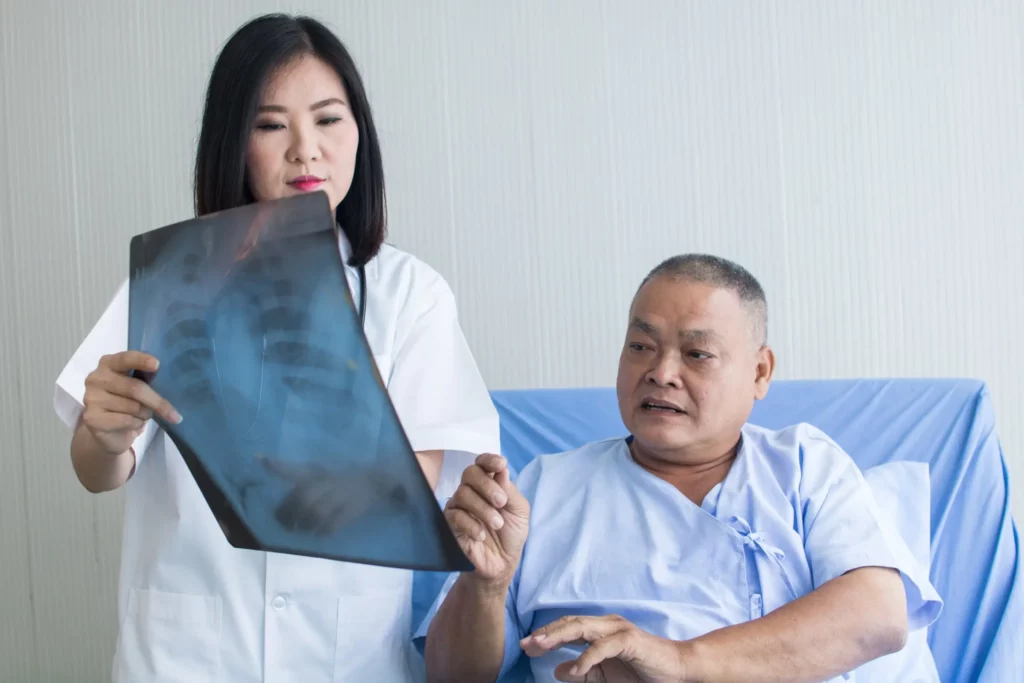
- Chest X-ray: shows lung abnormalities associated with tuberculosis.
- Molecular tests: detect the presence of the bacteria in certain bodily fluids.
- Sputum culture: sputum, a fluid produced in the airways, is collected to check for the presence of the bacteria.
- Physical exam: the doctor performs a full clinical evaluation, including reviewing symptoms and conducting a physical exam.
Because symptoms can take a long time to appear, diagnosing tuberculosis can be complex and may require additional tests to rule out other possible causes.
Treatment for Tuberculosis
For most patients with uncomplicated tuberculosis, treatment is typically outpatient and requires the person to isolate to prevent transmission to others, along with a prolonged course of antibiotics. The specific medications and treatment length depend on whether the tuberculosis is latent or active.
Beyond medication, patients should follow their doctor’s guidance on isolation, rest, diet, and any other recommended supportive measures.
Following the correct tuberculosis treatment is important to help prevent health complications that could become life-threatening.
At ABC Medical Center’s Internal Medicine area, we can provide you with specialized care if you have questions about tuberculosis. Contact us!