Human papillomavirus (HPV) is a group of related viruses with more than 200 known variants, transmitted through skin-to-skin or skin-to-mucous membrane contact, notes Dr. María Eréndira Ortiz Ruiz, obstetrician-gynecologist at ABC Medical Center.
This virus is most commonly found in the anogenital area or the oral cavity and is considered the most common sexually transmitted infection. It’s estimated that around 80% of sexually active men and women will contract HPV at some point in their lives.
Due to its nature, HPV is divided into two groups:
- Low-risk types: within this group, types 6 and 11 are the most common and are responsible for genital warts, which are mostly benign.
- High-risk types: the most common are types 16 and 18, which can cause premalignant and malignant lesions that can lead to cancer.
The high prevalence of this infection is linked to factors such as early onset of sexual activity, number of sexual partners, and, most importantly, a weak immune response to the virus, meaning the body doesn’t effectively fight it off, leading to a high rate of persistence and reinfection, whether with the same strain or a different one.
In some cases, visible wart-like lesions may appear, though most infections are asymptomatic. Because of this, an HPV PCR test or a hybrid-capture test is needed to make an accurate diagnosis.
High-risk HPV can lead to cervical cancer in women, which is the tenth most common type of cancer worldwide and the second leading cause of cancer death among women in Mexico, notes Dr. Ortiz.
In general, most HPV infections are transient, meaning the body clears the virus on its own in about 90% of cases. However, in people with weakened immune systems, multiple sexual partners, or other risk factors such as smoking, herpes infection, or not using contraception, the virus can persist and, over time, lead to lesions affecting the cervix, anal region, penis, vaginal area, or oropharynx.
Currently, there’s no direct treatment for HPV infection itself, beyond the body’s own immune response. However, there is treatment available for premalignant or malignant lesions when they’re detected early.
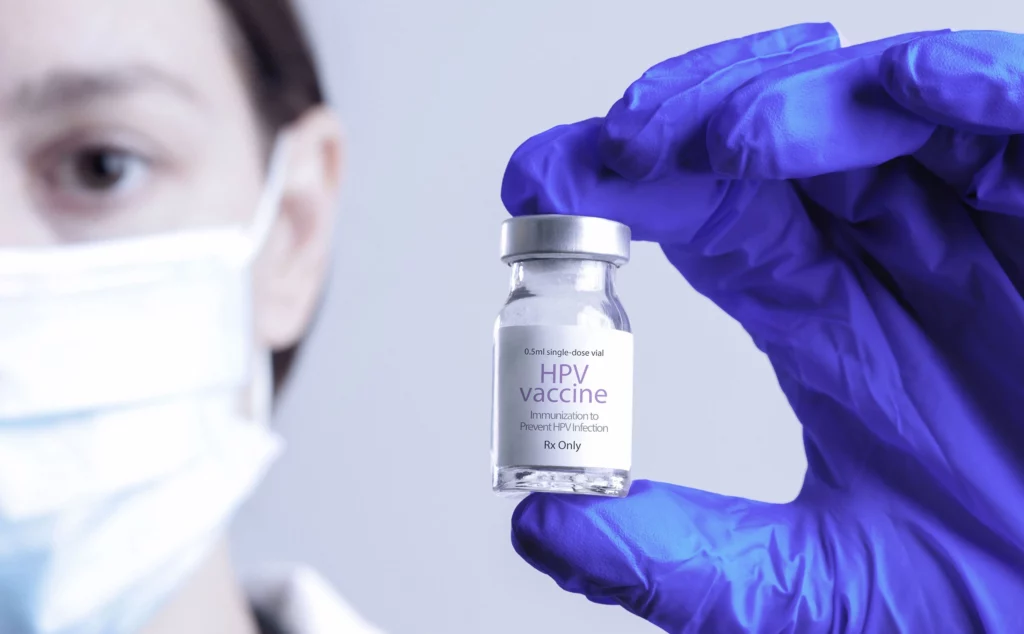
As a preventive measure, there’s also the HPV vaccine, which, while it doesn’t protect against 100% of HPV types, is designed to protect against the most common ones. This vaccine is recommended for both men and women starting at age nine, and condom use is also recommended as an added preventive measure.
It’s worth noting that men and women face the same risk of infection; however, women have a higher likelihood of developing premalignant or malignant lesions in the genital tract. Because of this, it’s important for women to have annual gynecological checkups, including tests such as the HPV PCR test, a Pap smear, or colposcopy.
And although the risk of developing these lesions is lower in men, it’s also recommended that men see a urologist for testing to help ensure timely HPV detection.
The Pediatrics Center offers the HPV vaccine for children, while the Preventive Medicine area offers it for adults. As a woman, you can visit the Women’s Center at ABC Medical Center, where we can provide you with specialized care for your annual gynecological checkups. Contact us!