
Obstetrics and gynecology form the cornerstone of women’s healthcare, spanning from puberty through postmenopause and the entire process of pregnancy. This specialty focuses on the female reproductive system and the care of motherhood, ensuring each biological stage unfolds under the best possible health conditions. Understanding what obstetrics and gynecology entail allows patients to make informed decisions about their wellbeing, supported by professionals who combine clinical prevention with surgical intervention and compassionate care.
Taking a proactive approach to women’s health is essential for the early detection of conditions that could compromise quality of life or fertility. The value of seeing an obstetrics and gynecology specialist lies in prevention; conditions such as cervical cancer or pregnancy complications are treatable and manageable when identified in their early stages. Medical care shouldn’t be a reactive response to pain, but a self-care habit that ensures transitions through stages like pregnancy or menopause carry the lowest possible risk for the woman and, when applicable, for the newborn.
Today, obstetrics and gynecology is undergoing unprecedented technological transformation, driven by the integration of artificial intelligence in diagnostic imaging and the consolidation of robotic surgery. The future of this specialty is moving toward personalized medicine, where modern Women’s Centers and hospitals offer genomic treatments and minimally invasive procedures that reduce recovery times. Finding an OB-GYN nearby is no longer just about proximity, it’s about access to these innovations that define contemporary medical excellence.
What Are Obstetrics and Gynecology? Definitions and Differences
Patients often wonder what obstetrics and gynecology are and whether the two disciplines are the same. While they’re closely linked and often practiced together by the same specialist, they focus on different areas of care. The key difference lies in the patient’s condition: gynecology focuses on the non-pregnant woman, while obstetrics specializes exclusively in pregnancy, childbirth, and the postpartum period.
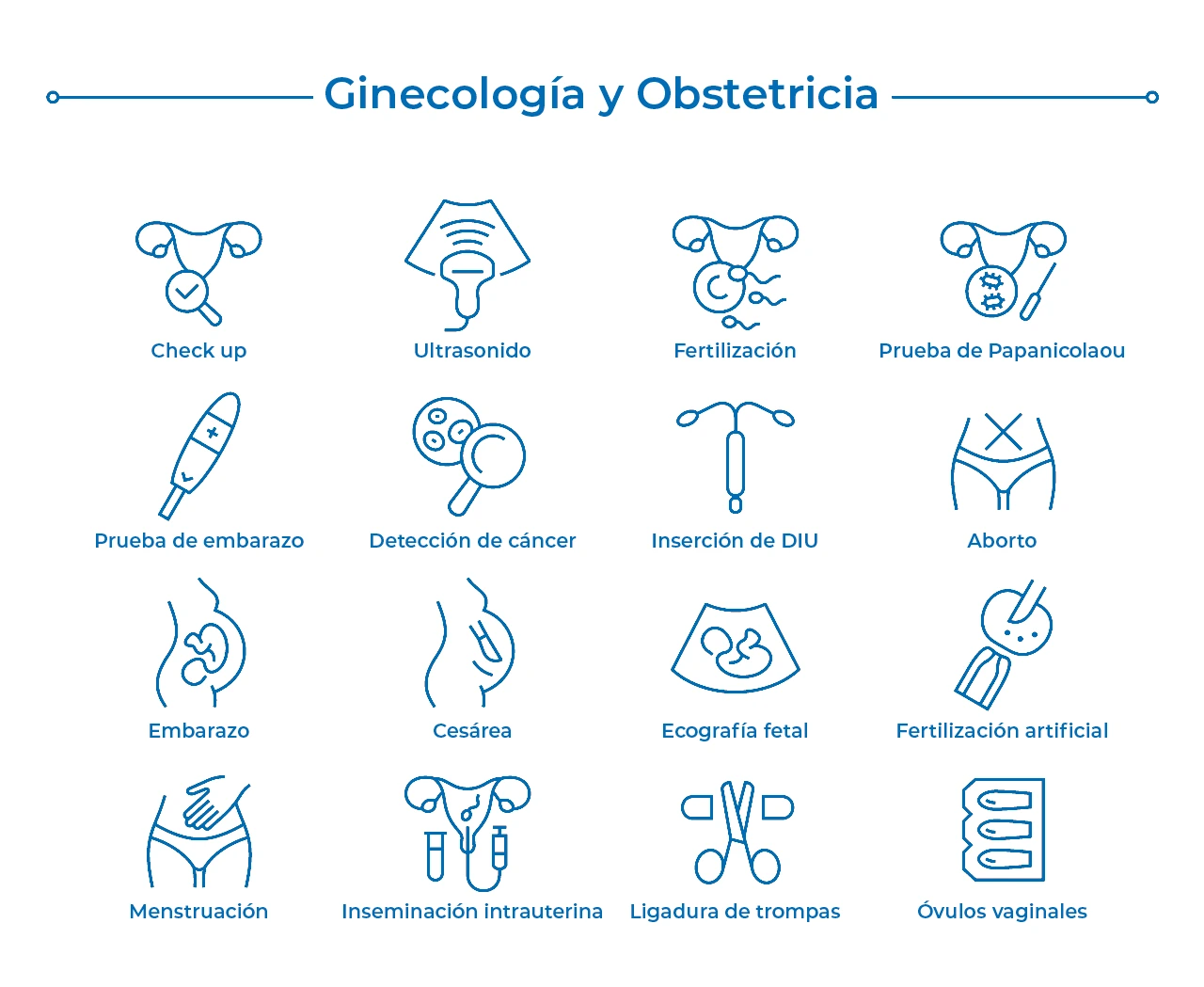
Gynecology: Care for the Reproductive System
Gynecology is the branch of medicine focused on the health of the female reproductive system (uterus, vagina, and ovaries) and the breasts. It covers the diagnosis and treatment of hormonal conditions, sexually transmitted infections, fertility issues, and tumor-related conditions. A gynecology and obstetrics clinic provides essential preventive screenings for women at any stage of adult life, whether they plan to have children.
Obstetrics: The Path to Motherhood
Obstetrics, on the other hand, provides medical support throughout pregnancy, childbirth, and the 40 days following delivery (the postpartum period). The obstetrician monitors fetal development and maternal health, managing everything from low-risk pregnancies to complex situations such as preeclampsia. The obstetrician’s role is central to a women’s clinic, since their direct involvement helps ensure a safe outcome for the reproductive process.
Combined Care at the Women’s Center
Bringing both branches together under one Women’s Center allows for continuous follow-up. When a patient seeks an OB-GYN clinic, they want assurance that the doctor who knows their gynecological history will also support them through their transition to motherhood. This integration enables a more thorough diagnostic perspective, turning the clinical history into a personalized prevention tool.
The Role of the OB-GYN at Different Life Stages
An OB-GYN is a comprehensive medical professional. To understand what a specialist with this dual training does, think of them as a guardian of women’s health from adolescence through old age. Their training allows them to perform complex surgeries, manage emergency deliveries, and advise on reproductive and sexual health topics from both a scientific and human perspective.
Adolescence and Early Adulthood
In the earliest stages, the specialist’s role centers on education and prevention. A first visit to a gynecologist usually takes place after menarche (the first menstrual period). Here, the doctor evaluates the regularity of the cycle, treats dysmenorrhea (intense menstrual pain), and provides guidance on contraception and infection prevention, a stage for building healthy habits that will affect future fertility.
Reproductive Years and Obstetric Follow-Up
During adulthood, many women seek out a gynecologist to plan a pregnancy. At this point, the specialist acts as an obstetrician, performing ultrasounds, genetic tests, and monitoring chronic conditions that could affect pregnancy, such as diabetes or high blood pressure. Trust between doctor and patient is essential for a safe, humanized birth experience.
Midlife and Postmenopause
With the arrival of perimenopause, the focus returns to clinical gynecology. The specialist manages menopause symptoms such as bone density loss and hormonal changes and reinforces monitoring for breast and endometrial cancer. Regular gynecological care during this stage is essential for maintaining a full, active life free from the discomforts associated with hormonal aging.
Main Services and Medical Procedures
An obstetrics and gynecology clinic offers a wide range of services, using state-of-the-art technology to ensure accurate diagnoses. Procedures are tailored to each patient’s needs, covering everything from early detection to high-complexity surgical intervention.
Routine Gynecological Checkups
The foundation of women’s health is the annual checkup. These procedures are quick, generally painless, and can be lifesaving:
- Pap smear: a small sample of cells from the cervix is collected to detect early signs of cancer or human papillomavirus (HPV).
- Colposcopy: if the Pap smear shows abnormalities, a colposcope (a specialized microscope) is used to examine the cervix in greater detail and, if necessary, perform a biopsy.
- Breast exam: physical examination and referral for mammograms and breast ultrasounds to detect lumps or cysts.

Prenatal Care and Labor and Delivery
Prenatal care is the regular monitoring every pregnant woman should receive. This includes:
- Obstetric ultrasound: to check the baby’s growth, the position of the placenta, and amniotic fluid levels.
- Fetal monitoring: evaluation of the baby’s heart rate to ensure wellbeing before and during labor.
- Labor and delivery care: the specialist and patient decide together on the safest delivery method, either a natural vaginal birth or a C-section when complications such as placenta previa or fetal distress are present.
Minimally Invasive Surgery
Modern medicine allows complex conditions to be treated through minimal incisions:
- Laparoscopy: used to treat ovarian cysts, endometriosis, or perform tubal ligation, with a much faster recovery than open surgery.
- Hysteroscopy: a procedure to examine the interior of the uterus and remove polyps or fibroids without external incisions.
- Robotic surgery: the most advanced option for precision in hysterectomies or pelvic reconstructions, available at high-specialty obstetrics and gynecology hospitals.
When to Seek Emergency Care at an OB-GYN Hospital
Knowing how to identify an emergency can make all the difference. While you can schedule many appointments in advance, certain symptoms require immediate attention at an obstetrics and gynecology hospital.
Warning Signs During Pregnancy
If you’re pregnant, seek emergency care if you experience vaginal bleeding, loss of amniotic fluid, absence of fetal movement after week 20, intense abdominal pain, or blurred vision with headache (signs of preeclampsia). Prompt management of these signs can prevent premature delivery or serious complications for the mother.
General Gynecological Emergencies
In non-pregnant women, reasons to seek emergency care include acute pelvic pain (which may indicate a ruptured cyst or ovarian torsion), heavy vaginal bleeding causing weakness, or signs of severe pelvic inflammatory disease such as high fever accompanied by abdominal pain. In these cases, access to a 24-hour OB-GYN clinic is essential.
The Importance of Preventive Medical Follow-Up
Women’s health is a journey that requires consistent expert support. Through obstetrics and gynecology, you cannot only treat illness, but also build a lifestyle grounded in wellbeing and prevention. The goal isn’t to seek a specialist only when a problem arises, but to build a trusting relationship with someone who understands each patient’s medical history and individual needs.
A commitment to annual checkups and proper prenatal care significantly reduces maternal mortality and improves survival rates for oncological conditions. Today’s women’s clinic provides every tool needed to make reproductive health a source of empowerment rather than worry. Ultimately, the best investment a woman can make is in her own health, securing a future full of vitality and wellbeing for herself and her family.
At ABC Medical Center’s Women’s Center, we can provide you with specialized care. Contact us!
Frequently Asked Questions
- What happens at an obstetrics and gynecology appointment?
A specialist in this area performs physical exams, sample collection (Pap smear), ultrasounds, pregnancy follow-up, labor and delivery care, and surgery on the reproductive system. Their approach is preventive, diagnostic, and therapeutic for all female health conditions.
- What are the most common gynecological and obstetric conditions?
Common gynecological conditions include polycystic ovary syndrome (PCOS), uterine fibroids, endometriosis, and vaginal infections. On the obstetric side, the most common are gestational diabetes, preeclampsia, and urinary tract infections during pregnancy.
- What happens during an obstetrics and gynecology exam?
The doctor takes a detailed medical history, followed by a physical examination that may include a breast exam and a pelvic examination with a speculum. If the patient is pregnant, abdominal measurements and listening to the fetal heartbeat are added.
- Is an obstetrician or a gynecologist better?
Neither is better than the other, they’re complementary. Most specialists today hold both qualifications. If you’re not pregnant, you need a gynecologist; if you’re planning or currently pregnant, you need an obstetrician or a physician with both specialties.
- When is it recommended to see an obstetrician?
You should see one as soon as you suspect you’re pregnant, or even before, in a preconception consultation, to prepare your body for pregnancy.
- When should I see an OB-GYN?
An annual preventive checkup is recommended as a baseline. You should also make an appointment if you experience menstrual irregularities, pelvic pain, breast lumps, or if you become sexually active.
- What is pediatric gynecology?
It’s a subspecialty that addresses reproductive health issues in girls and adolescents, such as congenital malformations, early puberty, or infections, always with an approach adapted to the pediatric age group.