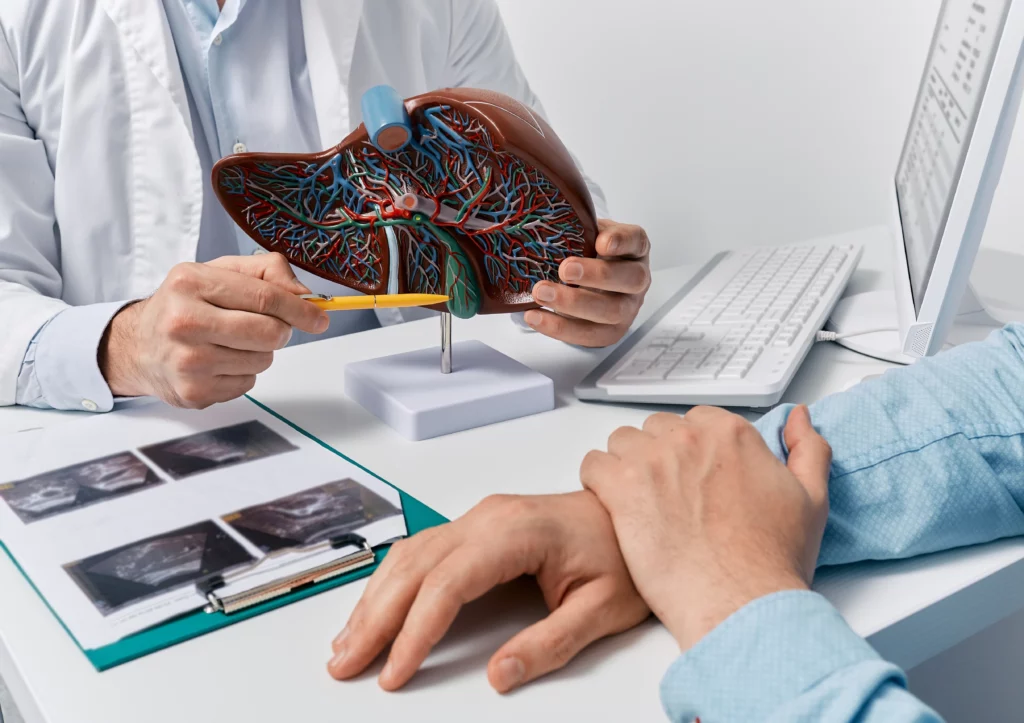
The liver is a central organ of the human body’s digestive and metabolic systems. In case you are wondering, "What is the function of the liver?", it encompasses a wide range of actions—from protein synthesis to the detoxification of harmful substances.

Among the top 10 functions of the liver are:
- Regulation of blood levels: The liver breaks down and metabolizes nutrients, hormones, and toxins, maintaining a chemical balance in the blood.
- Bile production: Bile is a fluid produced by the liver that aids in fat digestion; it emulsifies fats and facilitates their breakdown by digestive enzymes in the small intestine.
- Blood processing: The liver’s role in the digestive system involves processing blood flow as it passes through the liver before circulating to the rest of the body; this process filters the blood and removes harmful or unneeded substances.
- Medication metabolism: The liver metabolizes drugs present in the blood, converting them into a more soluble form that is easier for the body to eliminate.
- Glucose utilization: The liver stores glucose as glycogen, which is later released according to the body’s energy needs.
- Immune protection: The liver produces immune proteins that eliminate bacteria and toxins from the blood, contributing to the body’s defense against infections.
- Hemoglobin breakdown: By breaking down hemoglobin, the liver recycles its iron content.
- Excretion of waste products: It converts ammonia—a byproduct of protein metabolism—into urea, which is then excreted in the urine.
- Regulation of blood clotting: It produces clotting factors that are essential for stopping bleeding when a body injury occurs.
- Bilirubin elimination: Bilirubin is a waste product generated by the breakdown of red blood cells and is eliminated through the liver. An accumulation of excess bilirubin can lead to jaundice, a condition where the skin and eyes turn yellow.
For these reasons, when discussing the function of the liver, we are referring to a wide range of vital tasks that maintain homeostasis—the ability of organisms to keep a stable internal environment despite external changes—in both metabolism and digestion.
If you are wondering what the main function of the liver is among these tasks, it can be summarized into three core roles: nutrient extraction, toxin removal, and energy storage.
What Are the Consequences of a Malfunctioning Liver?
If the function of the liver in the human body is unclear, its importance becomes evident when it fails; a malfunction can result in liver failure, which can be acute (occurring over a short period) or chronic (long-lasting), representing a severe deterioration of organ function.
When the metabolic functions of the liver are impaired, liver failure can occur. Its origin can stem from various conditions or exposure to harmful substances; major causes include viral diseases such as hepatitis, cirrhosis, alcohol abuse, or reaction to certain medications. Other conditions that can trigger it include autoimmune diseases, liver cancer, or hereditary disorders like hemochromatosis.
Liver failure can cause the previously mentioned jaundice, portal hypertension, ascites (fluid accumulation in the abdomen), or hepatic encephalopathy (a severe brain dysfunction).
Symptoms commonly experienced by a person with liver failure include:
- Yellowish tint to the skin and eyes (jaundice).
- Abdominal pain and swelling (ascites).
- Swelling in the legs and ankles.
- Itchy skin.
- Dark-colored urine.
- Pale or bloody stools.
- Chronic fatigue.
- Nausea or vomiting.
- Loss of appetite.
If you experience one or several of these symptoms, it is advisable to seek medical attention for a proper—and ideally early—diagnosis. Treatment may include dietary changes, limiting alcohol and tobacco consumption, managing the underlying cause of the condition, using medications, and, in severe cases, a liver transplant.
To prevent liver malfunction or liver damage, it is important to maintain a healthy diet, consume alcohol in moderation (if at all), get vaccinated against hepatitis when necessary, follow medical advice regarding prescribed medications, and practice safe sex.
Taking these measures can help preserve liver health and support overall well-being.