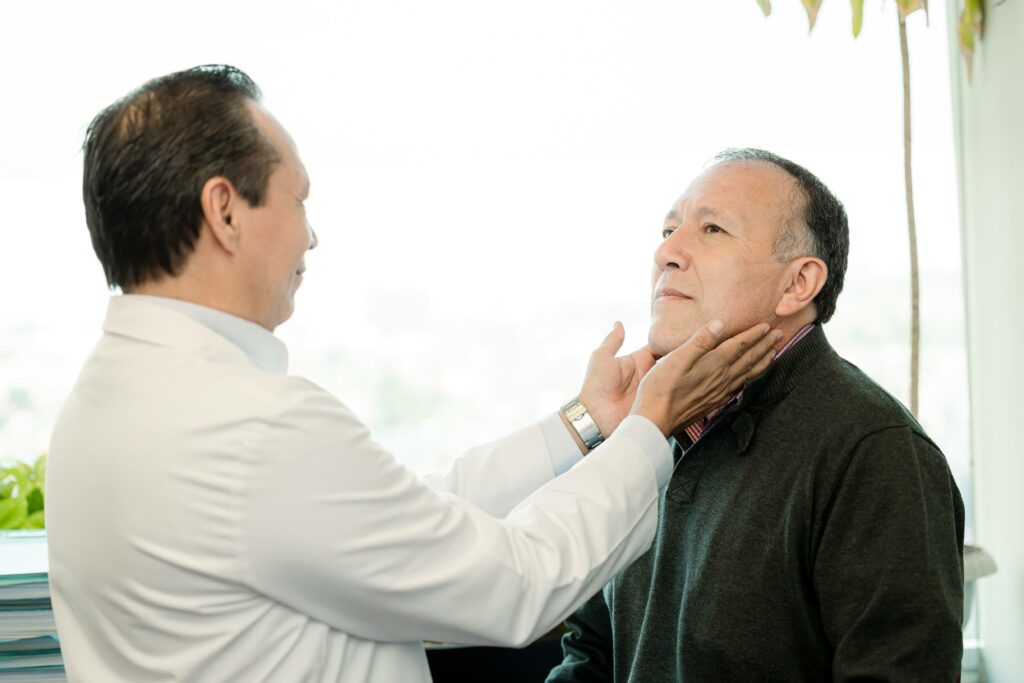
Our voice is the instrument that allows us not only to communicate through the words we speak, but also to express emotions and situations through tone and volume, letting others perceive what we’re going through, explains Prof. Alejandra Covarrubias Herrera, neurolinguist at ABC Medical Center’s Neurology Center.
Parkinson’s disease, along with other neurological conditions, gradually leads to voice loss as symptoms worsen, becoming more and more noticeable over time. Among the most common neurological disorders that can cause voice problems are Parkinson’s, stroke, multiple sclerosis, ataxia, and cerebral palsy.
Therapeutic work to address voice disorders should begin as soon as the neurological condition is diagnosed, notes Prof. Covarrubias, not only once the voice starts to weaken or has already been lost. Starting early helps prevent situations where the patient begins to withdraw from family and social life.
Someone with a neurological condition may also experience reduced agility and strength in their voice due to problems affecting the articulatory organs, such as the lips, tongue, jaw, or palate, making it much harder to speak than for someone without this type of condition.
They may also lack self-regulation, meaning they’re unable to gauge how fast or slow they’re speaking, or how loud their voice is. As a result, the person may feel like they’re speaking normally, when in reality their voice is very quiet, or even too loud.
When it comes to articulation, patients may experience issues such as the tongue not moving into the correct position to form words, asymmetrical muscle movements in the mouth, or articulation that isn’t as precise as they perceive it to be.
What Are the Goals of Voice Therapy?Voice therapy addresses several different areas, including:
- Restoring or improving voice quality.
- Restoring or improving the voice in cases of issues such as hoarseness.
- Regulating breathing.
- Phonation (the physical and physiological processes that create sound vibrations).
- Articulation (the movements made while speaking).
- Function of the laryngeal and tongue muscles.
To achieve this, traditional therapeutic work focuses on breathing processes, the use of resonators, and building awareness of the body, including voice support, breathing, and the diaphragm.
Starting voice rehabilitation treatment early in these patients can be life-changing, notes Prof. Covarrubias. That’s why it’s so important to begin this work as soon as the neurological condition is diagnosed, rather than waiting until it has already caused problems for the patient and those around them.
At ABC Medical Center’s Neurology Center, we can provide you with specialized care. Contact us!